What's Happening In the Art World This June
2 Jun 2026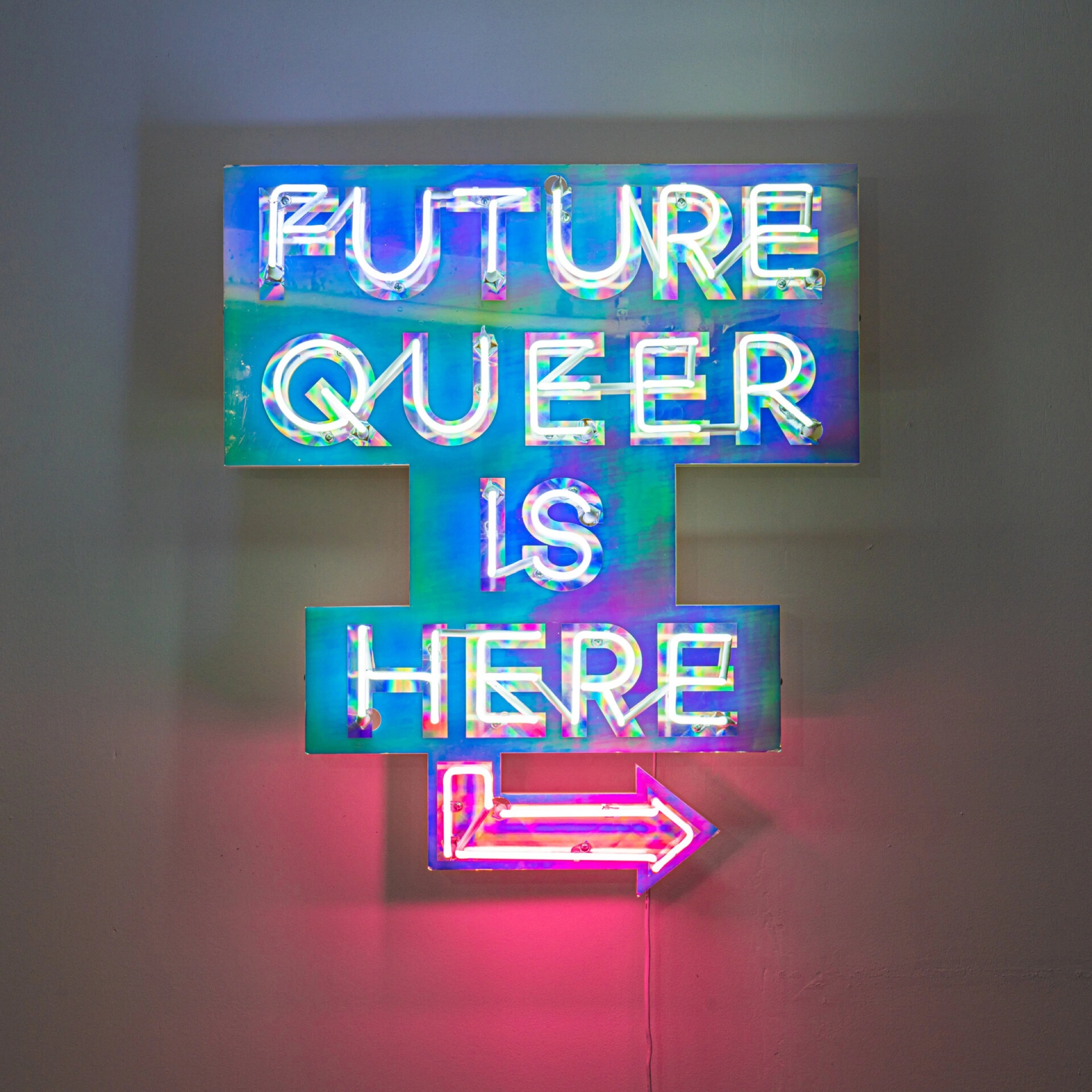
As the Northern Hemisphere heats up for Summer, the art world is heating up all over the globe. From reflecting on identity and culture in Seoul and New York to reimagining material and medium in Paris, Mexico City, and Abidjan, June is proving to be one of the busiest months for art lovers everywhere.
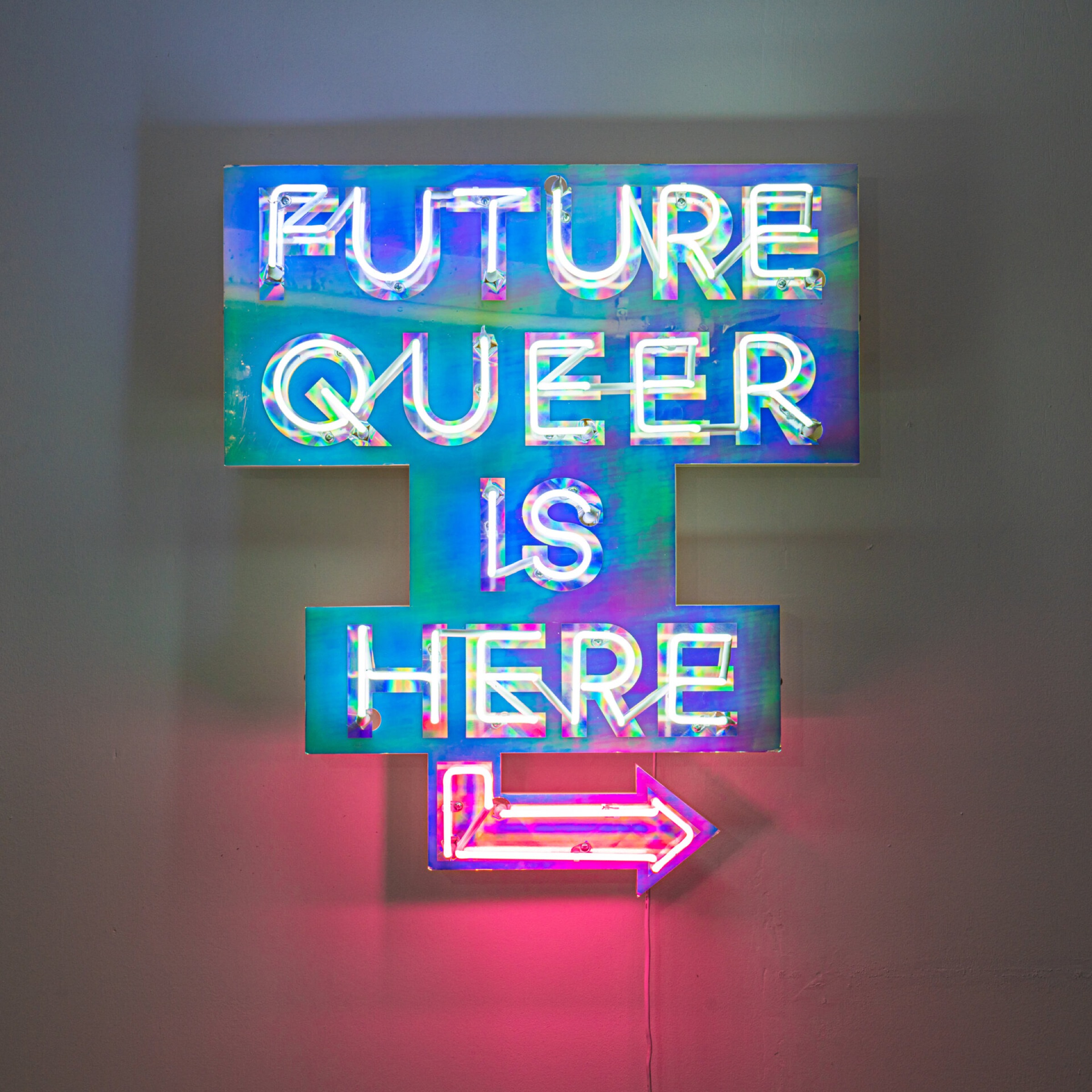
Moon Sanghoon, “Future Queer Is Here”(2019)” Photo by Yanh Seungwook, courtesy of the Seoul Museum of Art
SPECTROSYNTHESIS, SEOUL | Through 28 Jun
The fourth edition of Spectrosynthesis, organized by the Sunpride Foundation and Art Sonje Center, has landed in Seoul as the first large-scale institutional exhibition of queer art to be hosted by a Korean museum. On view at Art Sonje Center, the show brings together 74 artists and collectives from 15 countries, with a particular focus on the Jongno district, long recognized as the birthplace of Korean queer life and subculture.
The exhibition doesn't frame queerness as a fixed identity so much as a way of seeing and navigating the world across time, space, and societal frameworks. Featured artists include Seoul native siren eun young jung and Kang Seung Lee, among dozens of Korean and international voices across generations. In a country where LGBTQ+ rights remain actively contested, this is a reckoning as much as it is a celebration.
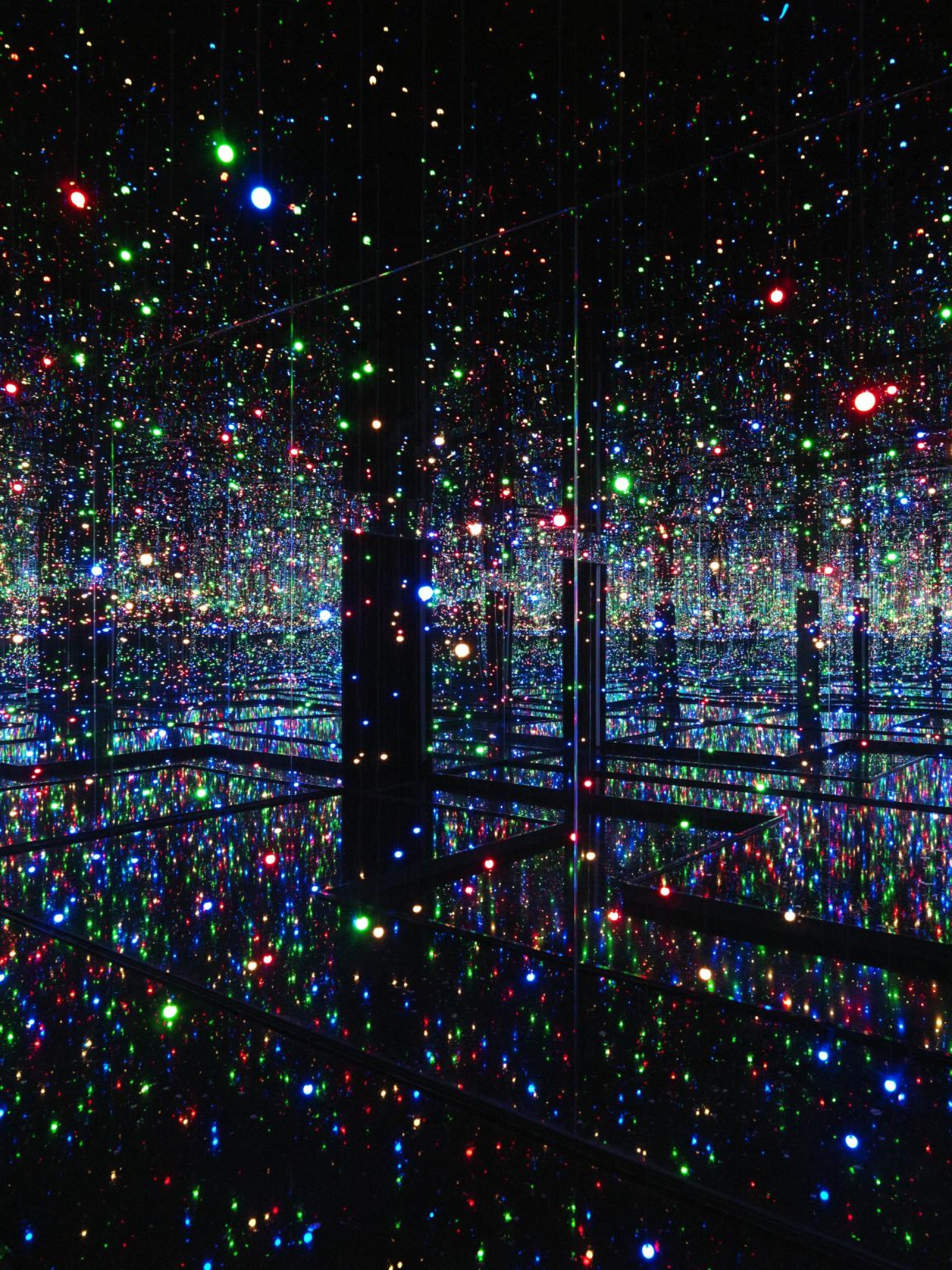
Yayoi Kusama “Infinity Mirrored Room - Filled with the Brilliance of Life” (2011/17) © Yayoi Kusama, Courtesy of Tate UK
GUGGENHEIM POP: 1960 TO NOW | 5 Jun – 10 Jan, 2027
This one opens in two phases. Starting June 5, the Guggenheim presents historical Pop works from the 1960s through the 1990s alongside Yayoi Kusama's INFINITY MIRRORED ROOM – DANCING LIGHTS THAT FLEW UP TO THE UNIVERSE (2019), a major loan making its first appearance at the museum. Then on June 26, the contemporary chapter opens, bringing in Maurizio Cattelan's Comedian and recent acquisitions by Lucía Hierro, Alex Da Corte, Lauren Halsey, and Martine Gutierrez, among others.
Curator Lauren Hinkson builds the show around a lesser-known piece of art history: Lawrence Alloway, the British critic who introduced Pop to American audiences through the Guggenheim's own 1963 exhibition Six Painters and the Object, the first museum presentation of Pop in New York. The argument the show makes is that Pop was never just a style, it was a posture toward consumer culture and spectacle that has proven completely inexhaustible.
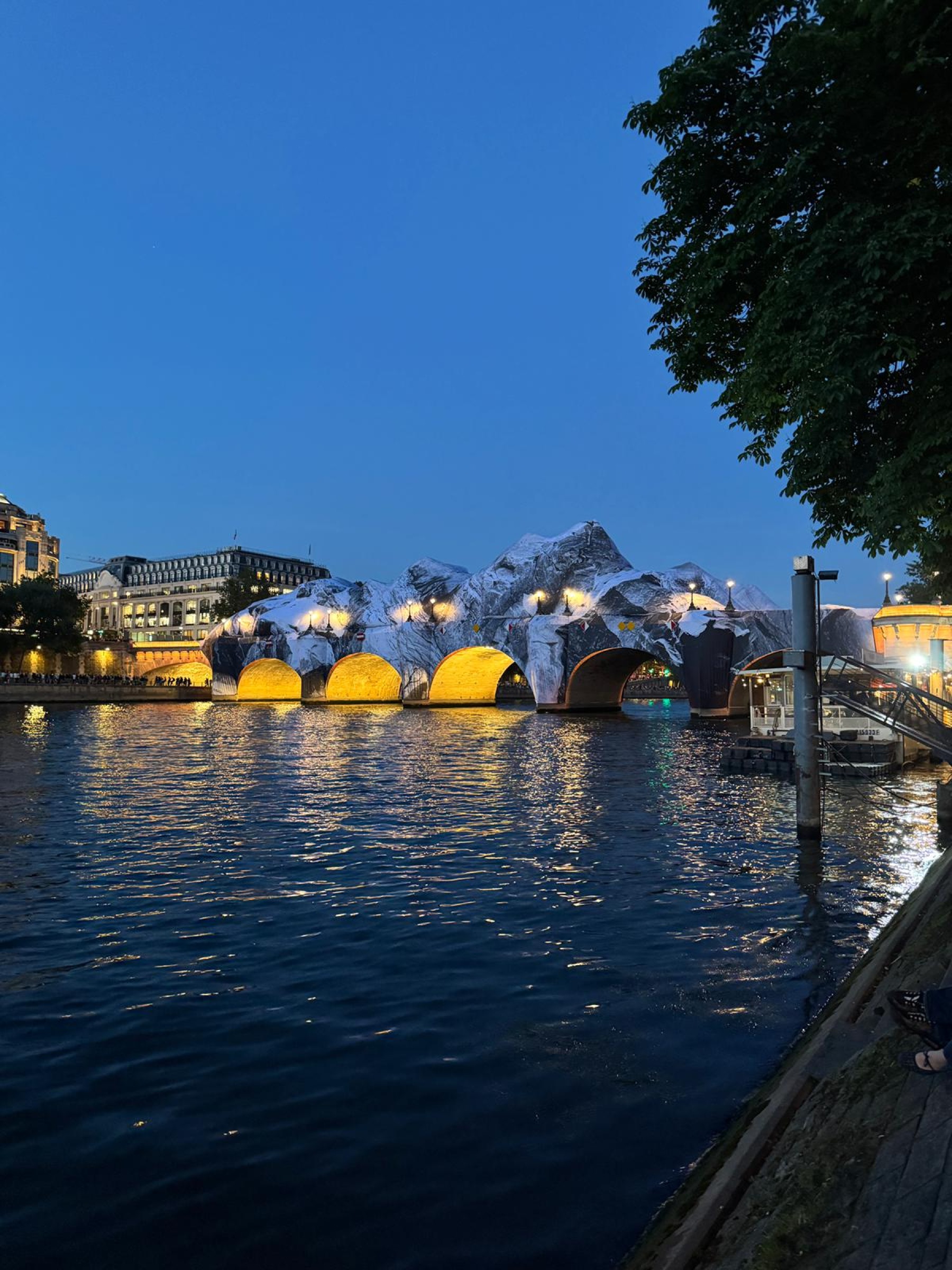
JR "La Carverne du Pont Neuf" (2026) Photo Courtesy of Annabel Ezedine
LA CAVERNE DU PONT NEUF, PARIS | 6–28 Jun
Forty years after Christo and Jeanne-Claude wrapped the Pont Neuf in champagne-colored fabric, JR transforms Paris's oldest bridge into La Caverne du Pont Neuf, a monumental ephemeral cave. The sonic dimension is shaped by Thomas Bangalter, formerly of Daft Punk, who has described the contribution as "sound" rather than music, closer to drone and ambient texture than anything resembling a score. Notably, the piece is free to visit.
Where Christo and Jeanne-Claude worked in concealment, JR works in transformation, turning the familiar into the monumental and the historic into the immersive. With Bangalter's acoustic layer underneath it, the bridge becomes less infrastructure than atmosphere. The fact that both artists have now treated the same site 40 years apart makes this feel less like a tribute and more like a conversation across time.
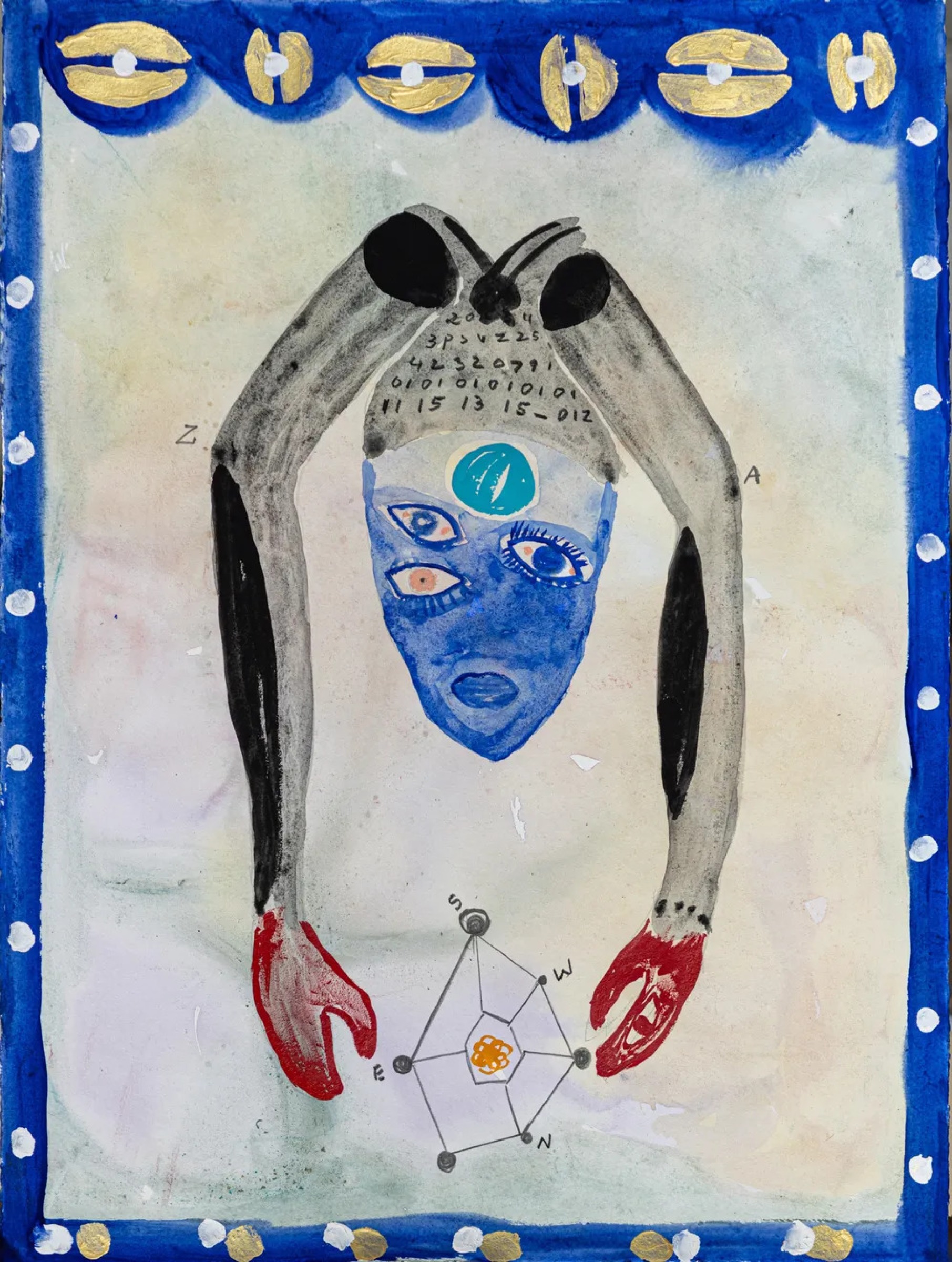
Ouattara Watts “Nomade #17” (2026) Courtesy of the Artist and Cecile Fakhoury
OUATTARA WATTS AT CÉCILE FAKHOURY, ABIDJAN | Through 6 Jun
The first time a body of Ouattara Watts' works on paper, created in Côte d'Ivoire, has been brought together in one place. The Abidjan exhibition at Galerie Cécile Fakhoury spans over 40 years of compositions, using paper as the constant thread across eras and mediums in his wider practice.
Watts, who lives and works in New York and was born in Côte d'Ivoire in 1957, has always moved fluidly between West African visual traditions, cosmological thinking, and a mark-making language entirely his own. The works on paper tend to be more spontaneous and direct than his canvases, and this show makes a strong case that they deserve to be looked at on their own terms, not as studies for something larger.
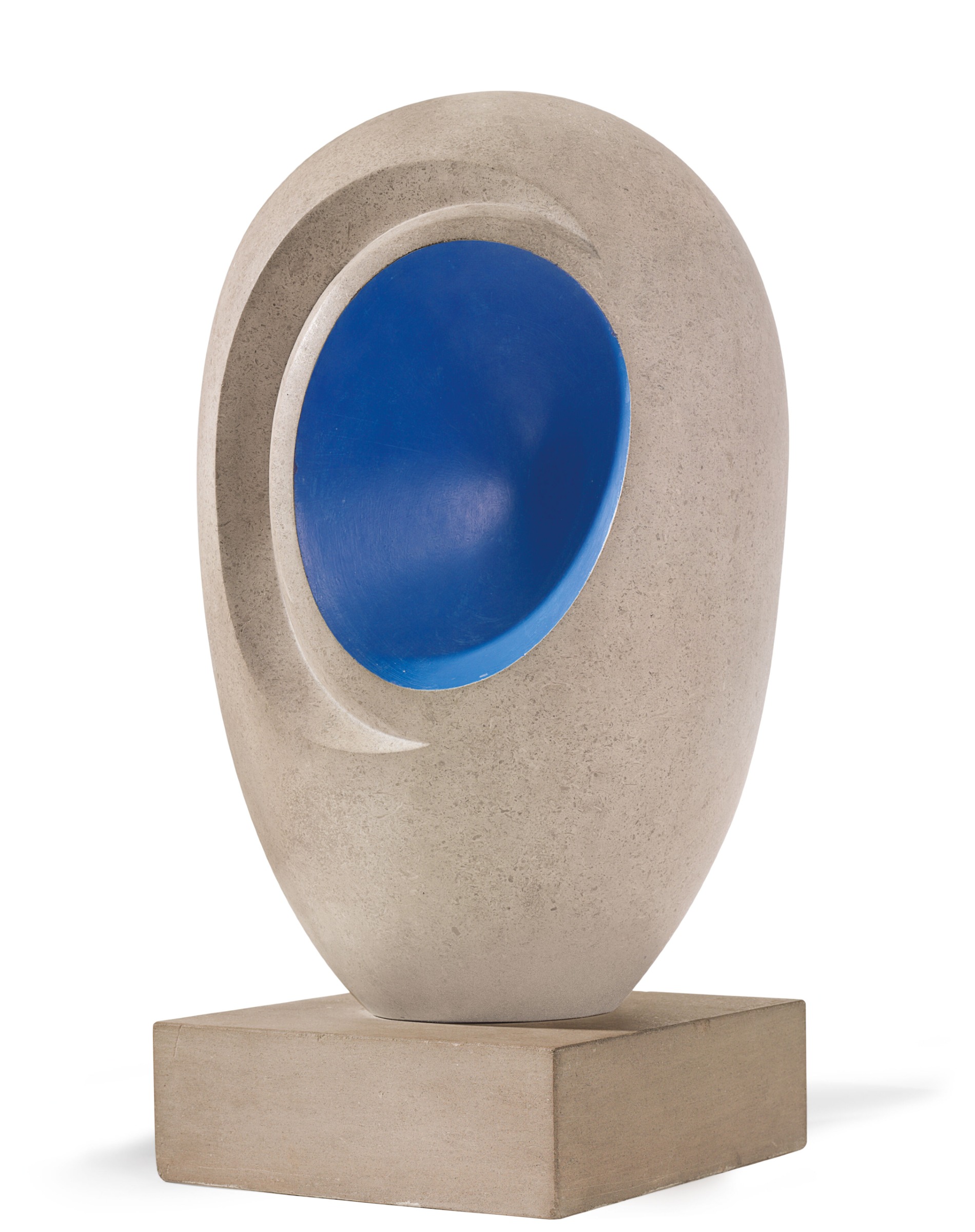
Barbara Hepworth “Sculpture with Colour (Eos)” (1946) Courtesy of HomeArt. Barbara Hepworth © Bowness. Photo © Christie’s/Bridgeman Images
BARBARA HEPWORTH AT THE COURTAULD | 12 Jun – 6 Sept
Hepworth in Colour at the Courtauld is the first exhibition dedicated entirely to Hepworth's use of color across her practice. Rather than a career survey, it makes a focused argument about color as an active, structural element in her work, from her wood and stone carvings to works across multiple decades and mediums, many of which have never been displayed together before.
Color in Hepworth is so often treated as secondary to form that this kind of dedicated attention genuinely reframes things. The pinks, blues, and ochres she applied to carved surfaces weren't decorative decisions, they were integral to how the eye reads depth, edge, and interior space. The Courtauld is exactly the right setting for that kind of close looking.
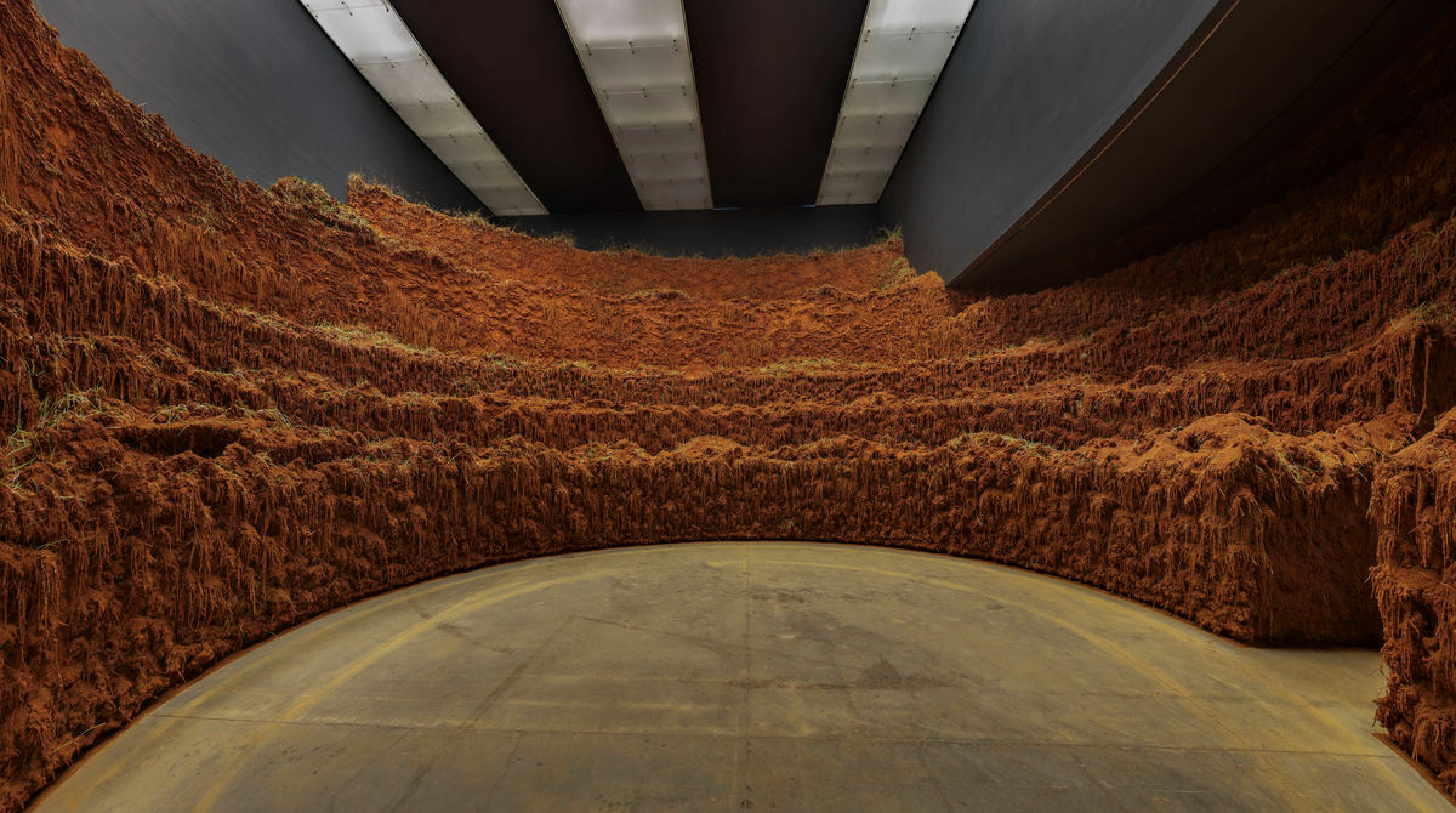
Delcy Morelos "The Womb Space” (2025) Installation views at MUAC, unam, Mexico City, 2025. Courtesy of the Artist and MUAC Photos: Oliver Santana and Salvador Santana
DELCY MORELOS AT MUAC | Through 7 Jun
Titled The Womb Space, Colombian artist Delcy Morelos' exhibition at MUAC transforms Gallery 9 into a sensorial, site-specific environment built from earth, clay, and scent, drawing on pre-Hispanic architecture and land art traditions. The invitation is to inhabit the gallery as a ritual space, one where earth is present before the viewer, and the viewer is present before the earth.
Morelos gained wide international attention with Elipsis at the Shed in New York, a room you entered by smell before you entered by sight. Here the material vocabulary is consistent, but the MUAC context brings the work into direct dialogue with Latin American modernism and the land that helped form it. A piece about earth shown in Mexico City carries a different weight than the same piece shown anywhere else.
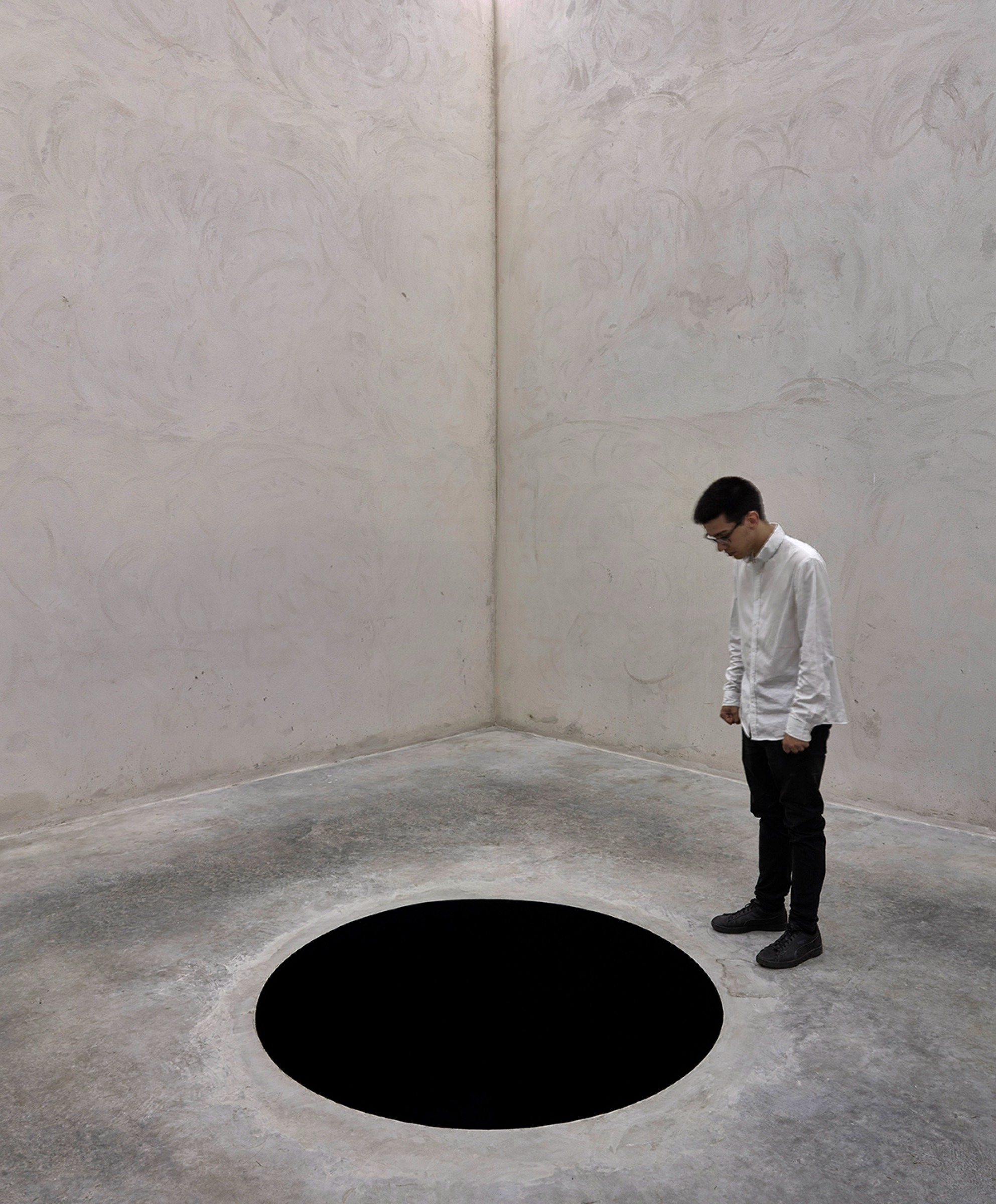
Anish Kapoor “Descent into Limbo” (1992) © Anish Kapoor Courtesy of the Artist
ANISH KAPOOR AT HAYWARD GALLERY | 16 Jun – 18 Oct
Anish Kapoor fills the entire Hayward for the first time since his first major UK survey there nearly 30 years ago. The exhibition draws from several of his most iconic series: flawless steel mirror sculptures that warp and disorient; Vantablack-coated objects whose light-absorbing properties make them read as pure void; and depthless openings in the gallery floor and walls that induce a genuine sensation of vertigo.
New works are also present, including visceral paintings and sculptures that confront the fragility of human existence, and a pair of monumental installations in Kapoor's signature red. The show is curated by Ralph Rugoff, marking his final exhibition as Director of the Hayward after 20 years. That the building itself is a brutalist landmark that resists conventional display makes Kapoor one of the few artists whose ambition genuinely matches it.
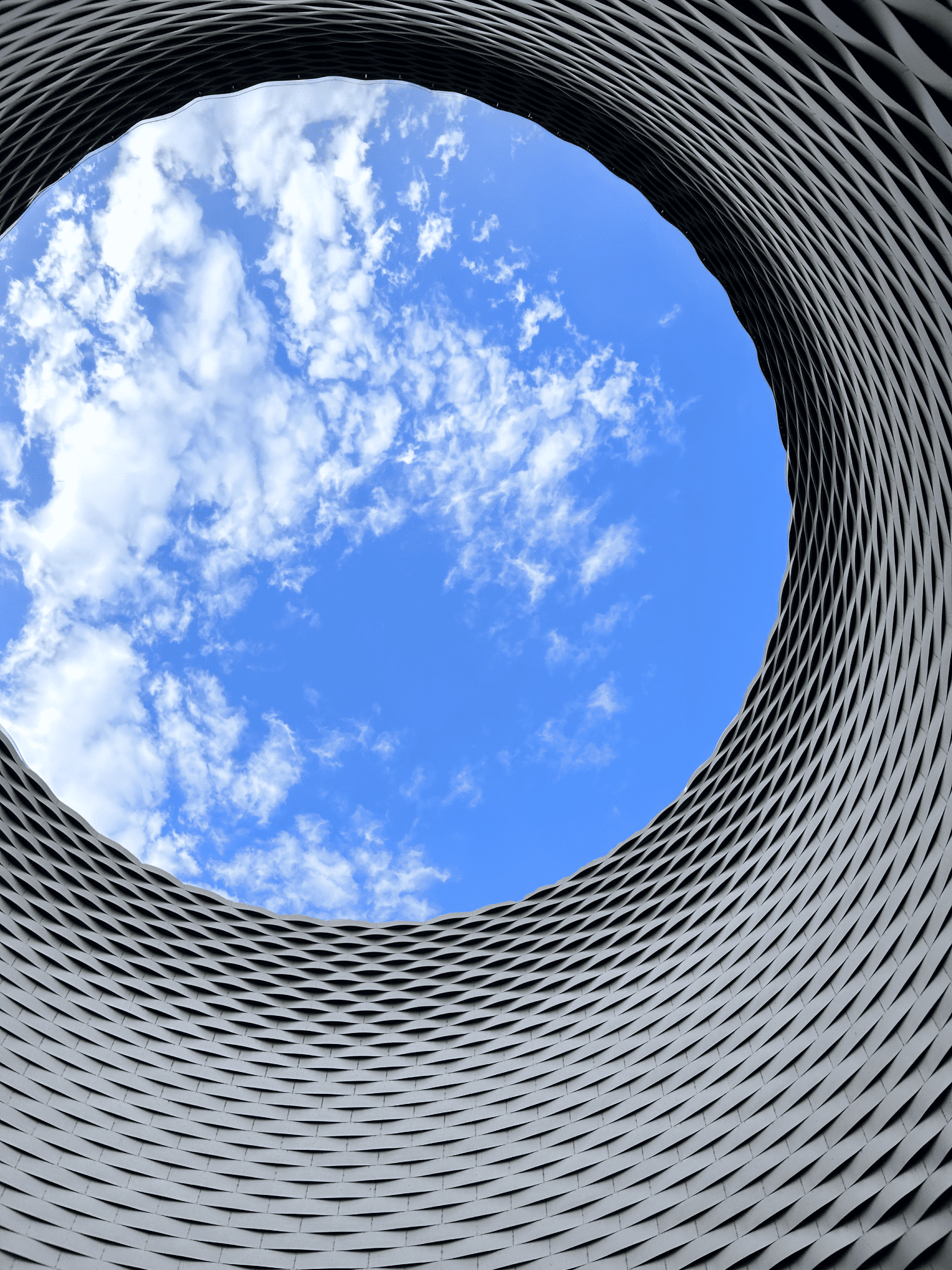
Messe Basel
ART BASEL | 18–21 Jun
290 galleries from 43 countries, the world's most consequential art fair. The defining initiative of the 2026 edition is Basel Exclusive, developed in close dialogue with exhibitors, which asks galleries to withhold at least one significant work from pre-fair digital PDF previews. Already adopted by around 170 of 232 exhibitors, including Gagosian, Hauser & Wirth, Pace, and David Zwirner, it's a genuine structural move to reassert the primacy of being in the room.
The initiative is a direct response to the saturation of online viewing and pre-sale culture that has diluted the opening-day experience. By holding back major works until the VIP opening, Basel Exclusive turns physical presence back into an advantage. In a market where so much can be transacted remotely, it's a reminder that some things still require you to show up.
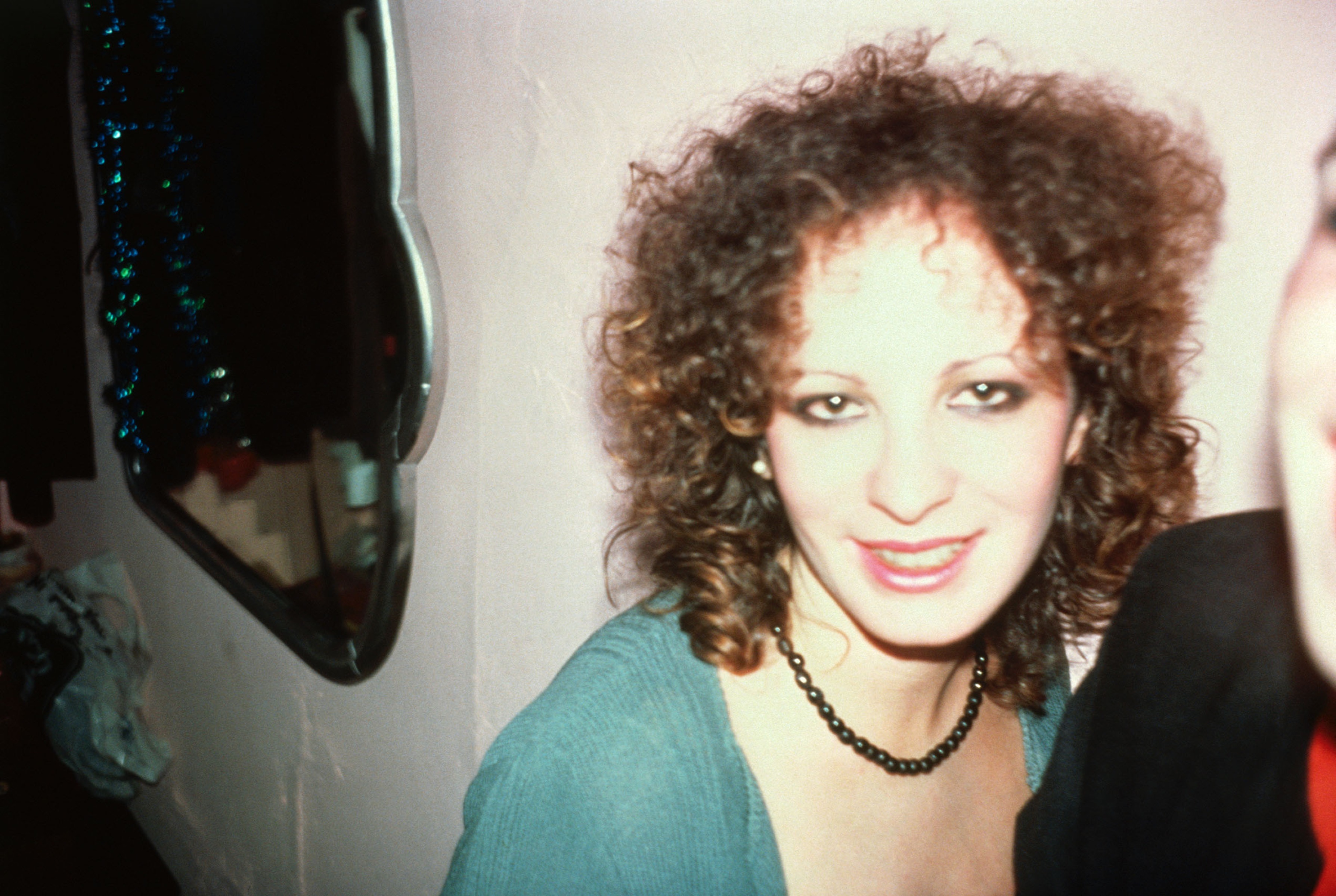
Nan Goldin "Untitled" (1982) © Nan Goldin. Courtesy of the Artist and Grand Palais
NAN GOLDIN AT GRAND PALAIS | Through 21 Jun
Titled This Will Not End Well, the first retrospective in France devoted to Goldin's videos and slideshows has been on a touring journey, arriving at the Grand Palais after stops including Stockholm. At its heart is The Ballad of Sexual Dependency (1981–2022), her lifelong masterwork, alongside more than a dozen other moving-image pieces that Goldin describes as "films made up of stills."
The Grand Palais installation is designed to resemble a village of images, an architecture that feels necessary given how much Goldin's work has always resisted the clean white box. The Ballad was made to be shown in bars and clubs, in the company of the people depicted in it. Scaling that up to one of Paris's most monumental spaces is a tension the show seems fully aware of and leans into deliberately.
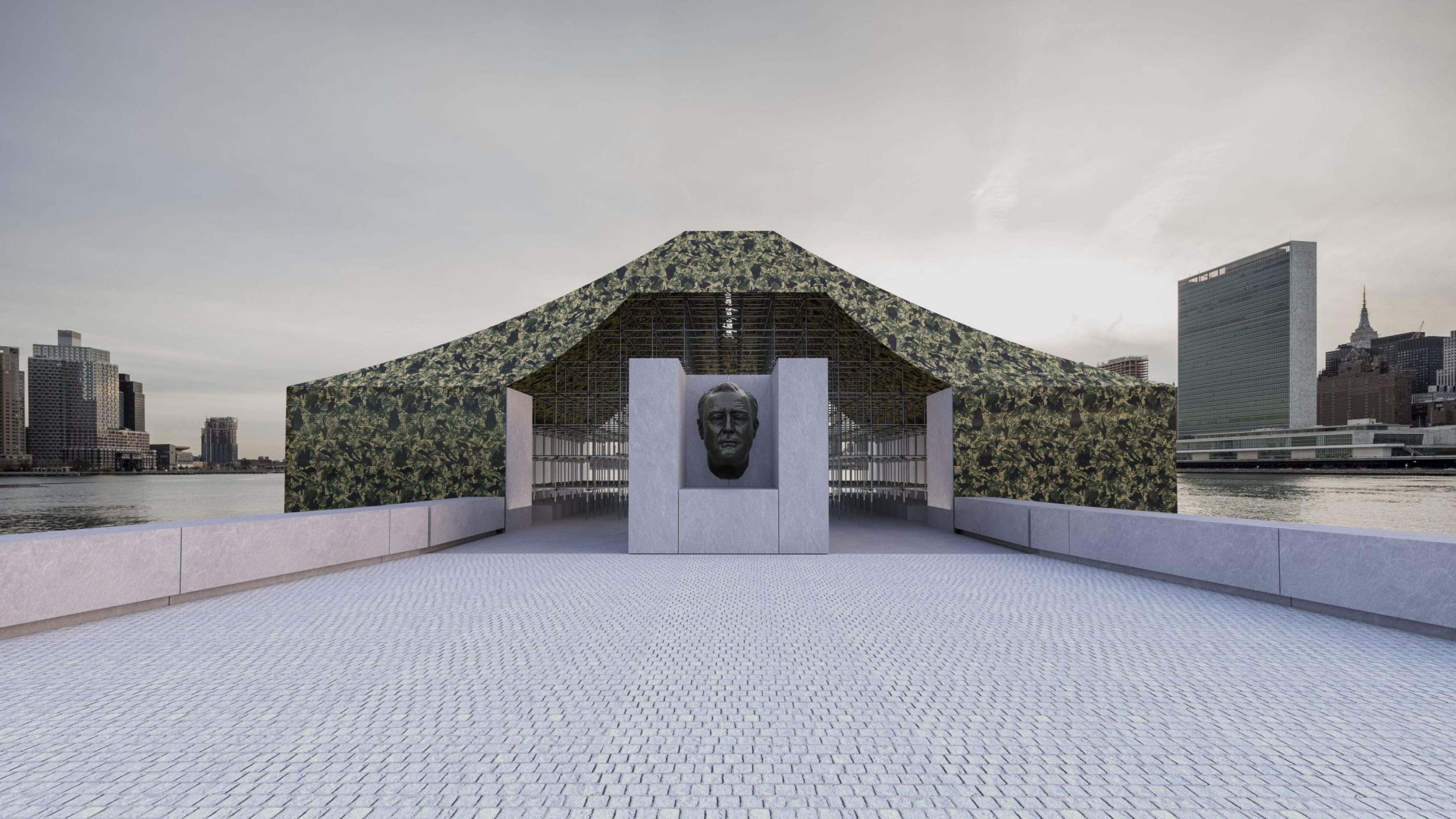
Thomas Church, Gelsenkirchen © Photo: Dirk Rose / Manifesta 16 Ruhr
MANIFESTA 16 RUHR | 21 Jun – 4 Oct
Operating under the theme "This is not a church," Manifesta 16 transforms 12 post-war church buildings across four cities in the Ruhr region (Essen, Bochum, Duisburg, and Gelsenkirchen) into cultural spaces for the summer. Artists include Luc Tuymans, Mona Hatoum, Katharina Fritsch, and Mirosław Bałka, each working within specific church buildings with designated Creative Mediators rather than a single curatorial vision.
The church buildings range from 1894 to 1966, many emptied by decades of declining attendance, and the Ruhr itself is a post-industrial landscape with a complicated relationship to collective memory and civic identity. The title is a provocation, but it's also an honest question: if a sacred space is no longer a church, what can it become? Manifesta's answer, across all 12 venues and four cities, is that it becomes wherever contemporary art decides to live.