The Cultivist Guide to Athens and Hydra
2 Jul 2026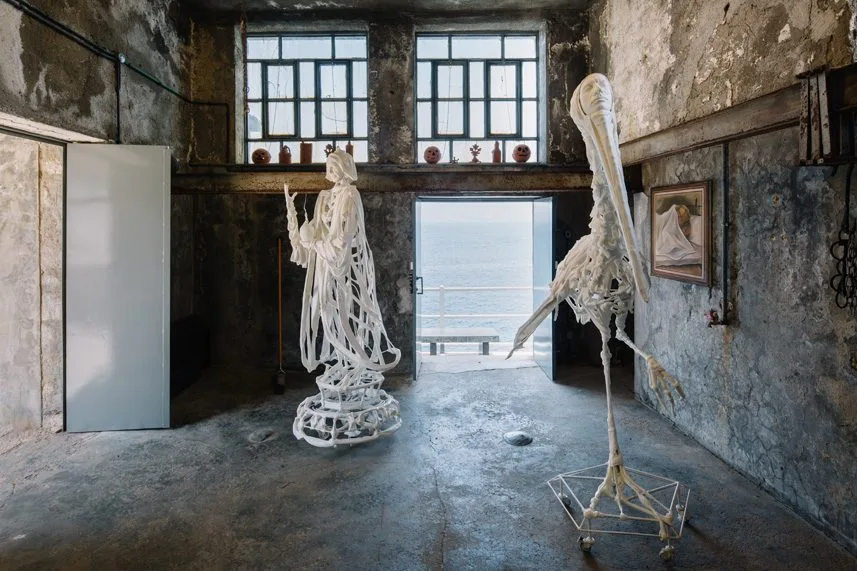
Greece may be synonymous with island light and ancient ruins, but its art scene is far from fixed in the past. In Athens, classical landmarks sit alongside former factories, contemporary galleries, collector foundations and ambitious museum programming. A short ferry away, Hydra offers a quieter kind of cultural escape: no cars, stone mansions, artists’ studios, harbour walks and contemporary art spaces that feel inseparable from the sea.
This summer, build the trip around Athens and Hydra. Start in the capital, where the ancient city gives way to a contemporary scene with real momentum, then continue to Hydra for a slower, more atmospheric close. If time allows, venture just beyond central Athens to the DESTE Foundation in Nea Ionia, one of the country’s most important contemporary art spaces.
ATHENS
MORNING
Begin with the Acropolis, because some landmarks remain essential for a reason. Go early, before the heat and crowds gather, and take in the Parthenon, the Erechtheion and the sweep of the city below. Afterwards, continue to the Acropolis Museum, where the fragments, sculptures and archaeological finds bring the site’s long history into sharper focus.
LATE MORNING
For a border view of Greek Culture, make your way to the Benaki Museum of Greek Culture. Housed in a neoclassical building near the National Garden and Hellenic Parliament, the museum traces Greek culture from prehistory to the 20th century, making it a thoughtful bridge between ancient Athens and the city’s modern identity.
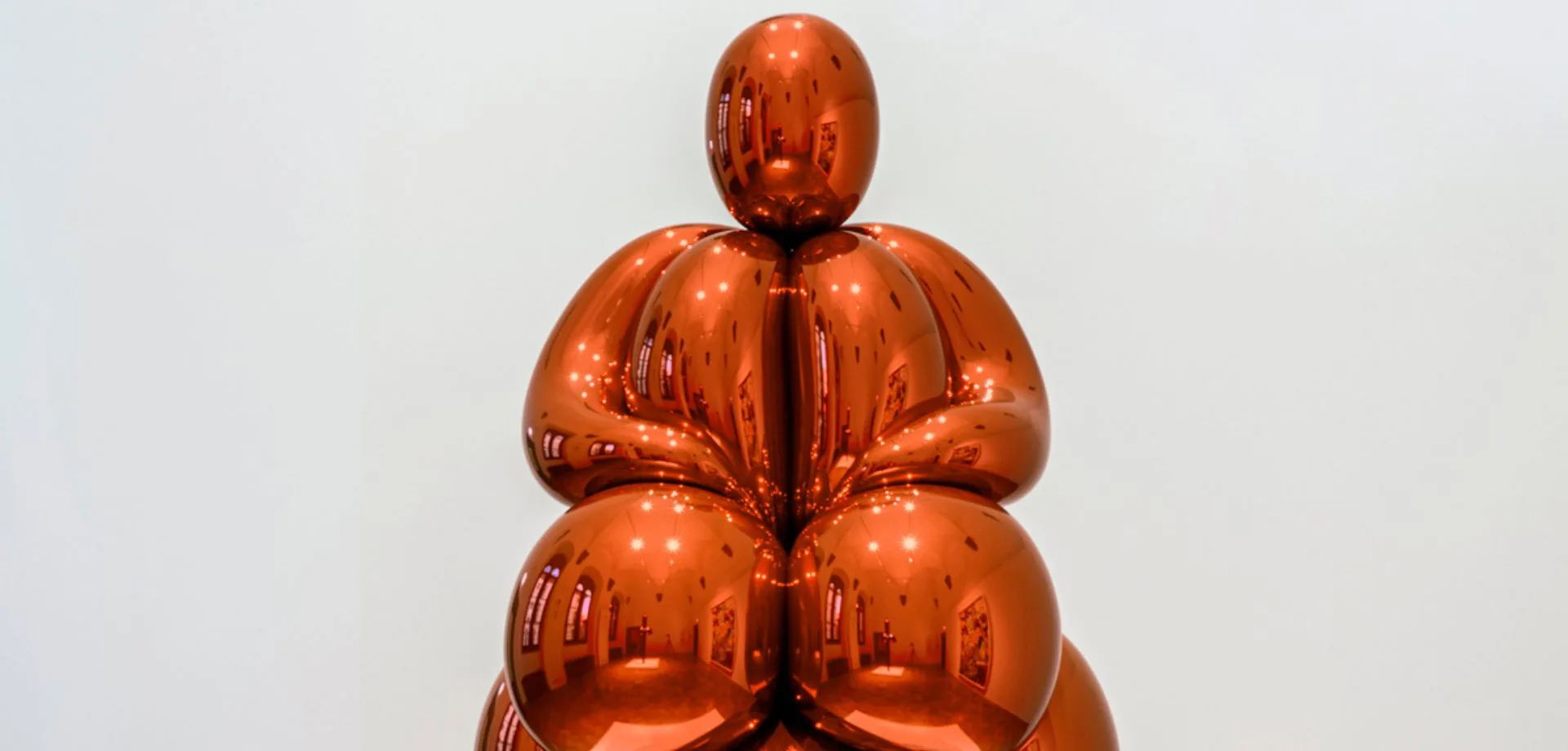
Jeff Koons: ‘Balloon Venus Lespugue’. Photo Credit: elculture
If you want a more focused art-historical stop, the Museum of Cycladic Art is especially strong. Its collection of Cycladic sculpture feels almost startlingly modern: spare, stylised, and quietly radical in its simplicity. This summer, the museum also presents Jeff Koons’ Balloon Venus Lespugue alongside replicas of Upper Paleolithic “Aphrodite” figurines.
MIDDAY
Turn towards contemporary Athens with The Breeder, one of the city’s most compelling gallery spaces. Founded in 2002 and now housed in a former 1970s ice-cream factory, the gallery has helped shape the dialogue between Athens and the wider contemporary art world. This summer, Olga Migliaressi-Phoca: BANG BANG explores the moment when play turns serious, moving between childhood games, spectacle, violence and consequence.
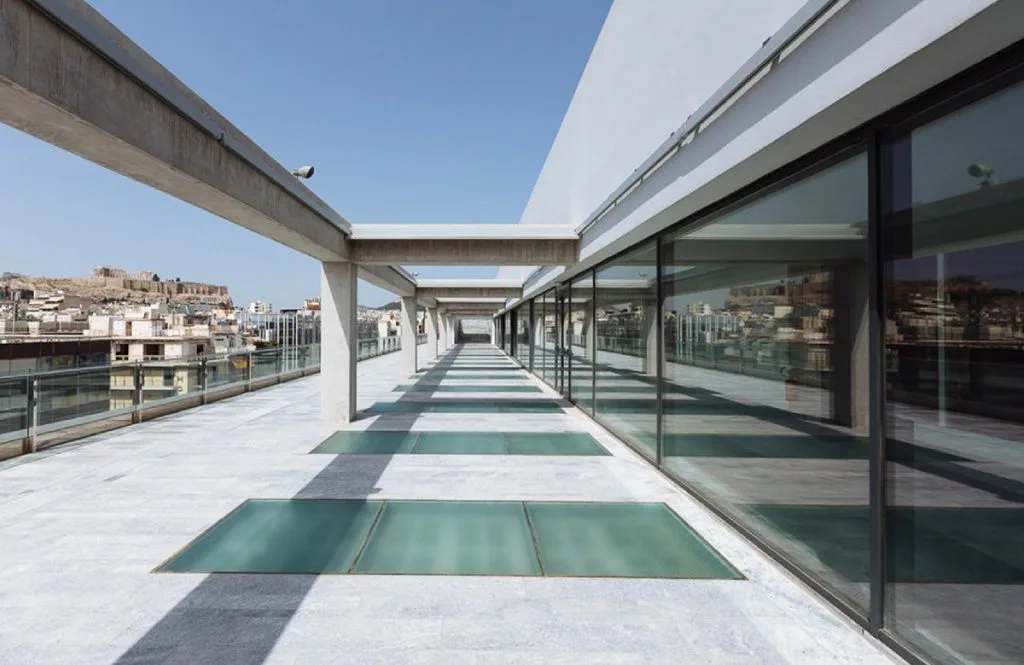
National Museum of Contemporary Art, Athens. Photo Credits: EMΣT
From there, continue to EMST, the National Museum of Contemporary Art. Set in a former brewery, the building is spacious, bright and industrial, with a collection that includes major video works by artists such as Bill Viola, Bruce Nauman and Nam June Paik. Its summer programme includes exhibitions on Jani Christou and Niki Kanagini, offering a strong institutional view of Greek and international contemporary practice.
AFTERNOON
If time allows, go deeper into Athens’ collector-led scene. The George Economou Collection is currently showing The Way We Live Now, its first contemporary group exhibition drawn solely from the collection’s holdings. Artists include Louise Bourgeois, David Hammons, David Hockney, Jenny Saville, Lorna Simpson and Henry Taylor.
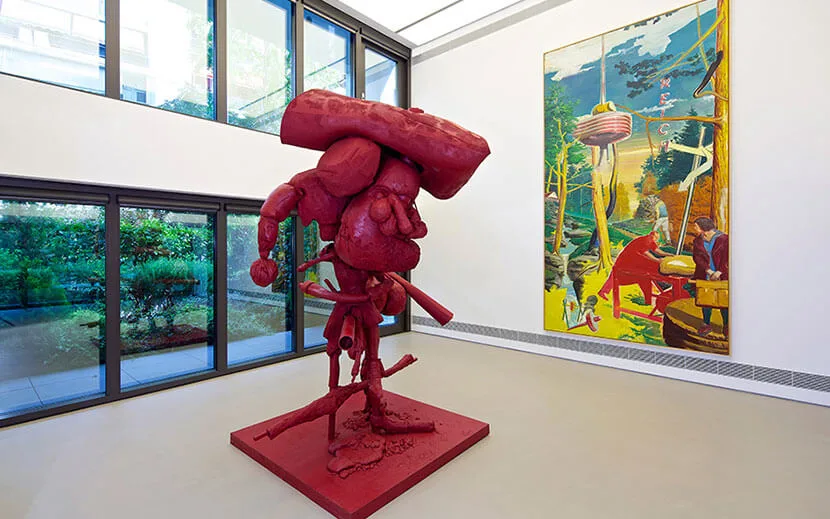 George Economou Collection, Athens. Photo Credits: The George Economou Collection
For the most worthwhile detour beyond the centre, head to the DESTE Foundation for Contemporary Art in Nea Ionia. Founded by collector Dakis Joannou, DESTE has long been one of Greece’s most influential contemporary art institutions. This year’s exhibition, Gen X: Tales From The Forgotten Generation, draws from the Joannou Collection and includes artists such as Doug Aitken, Chris Ofili, Olafour Eliasson and Maurizio Cattelan.
HYDRA
MORNING
After Athens, take the ferry to Hydra. The shift in pace is immediate: no cars, no traffic, just the harbour, stone houses and the movement of people, boats and mules through narrow streets. Hydra has long attracted artists, writers and collectors, but its cultural life still feels intimate rather than overproduced.
Installation view of The Greek Gift, DESTE Foundation Project Space, Slaughterhouse. Photo Credits: Paris Tavitian
Start with the DESTE Foundation Project Space, Slaughterhouse, the island’s most essential art stop. Opened in 2009 inside a repurposed slaughterhouse, the space has hosted major contemporary artists including Kara Walker and David Shrigley. This year, it presents Nari Ward: Until That Day, an exhibition by the Jamaican-born, New York-based artist known for sculptural installations made from discarded and found materials. Set against the coastal edge of Hydra, the exhibition feels less like a white-cube visit and more like a meeting between artwork, architecture and sea.
MIDDAY
Continue to the Old Carpet Factory, one of Hydra's most unusual cultural spaces. Housed in an 18th-century mansion built by Venetian architects for the family of Greek naval admiral Anastasios Tsamados, it now operates as both a recording studio and artist residency. It is the kind of place that captures Hydra’s particular pull: historic, creative, slightly hidden, and deeply atmospheric.
Then make time for Hydra School Projects, the long-running summer exhibition programme curated by Dimitrios Antonitsis inside the old Hydra High School. This year’s edition, Hydro/Onar (Water Dreams), brings together artists including Ashley Bickerton, Daniel Silver, Brice Marden and Joe Bradley, alongside works by Jannis Kounellis.
AFTERNOON
For a quieter stop, visit the Tetsis House & Atelier, the former home and studio of Greek painter Panagiotis Tetsis. Preserved as an intimate glimpse into the artist’s life and working environment, it offers a softer counterpoint to Hydra’s more formal exhibitions.
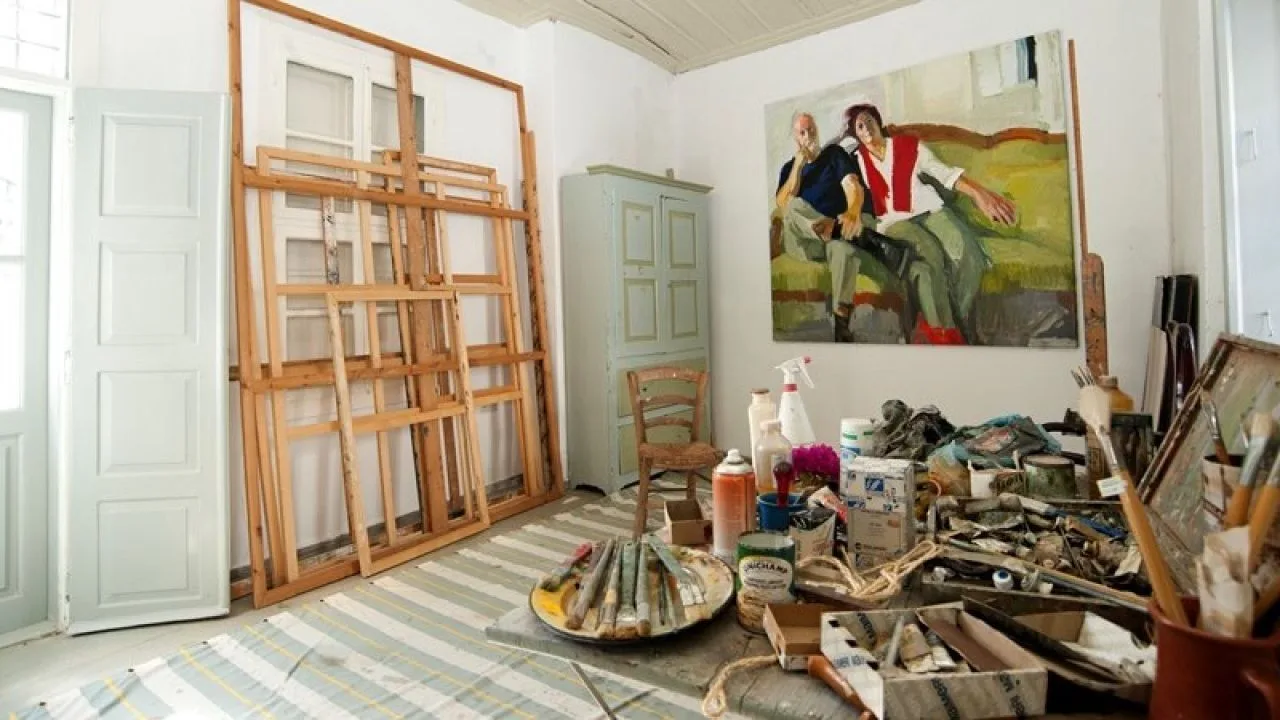 Tetsis Home & Studio, Hydra. Photo Credit: Greeka
Afterwards, let the island do what it does best. Walk the harbour, stop by the Historical Archive-Museum of Hydra, or visit the Cathedral of the Assumption, with its gilded interiors, icons, frescoes and chandeliers.
IF TIME ALLOWS
For those wanting one more contemporary stop before leaving Athens, Gagosian Athens is worth adding to the route. Its programme brings the city into conversation with the wider international gallery scene, while still feeling well placed within Athens’ own layered cultural landscape. This summer, the gallery presents Urs Fischer: Eugène Atget, an exhibition that plays with perception, representation and the way familiar images can be unsettled, reworked and made strange.
Greece is best approached slowly. In Athens, the pleasure lies in the contrast: marble and concrete, ancient sites and contemporary galleries, museum collections and collector-led foundations, all folded into one restless city. Hydra offers the pause afterwards, where art is encountered more quietly, between the harbour, the sea and the island’s stone architecture.
Together, Athens and Hydra make for a cultural itinerary that feels both rooted and alive: ancient, contemporary, sunlit and deeply atmospheric.