Masterpiece Spotlight: Raphael's Portrait of a Lady with a Unicorn
06 Mar 2026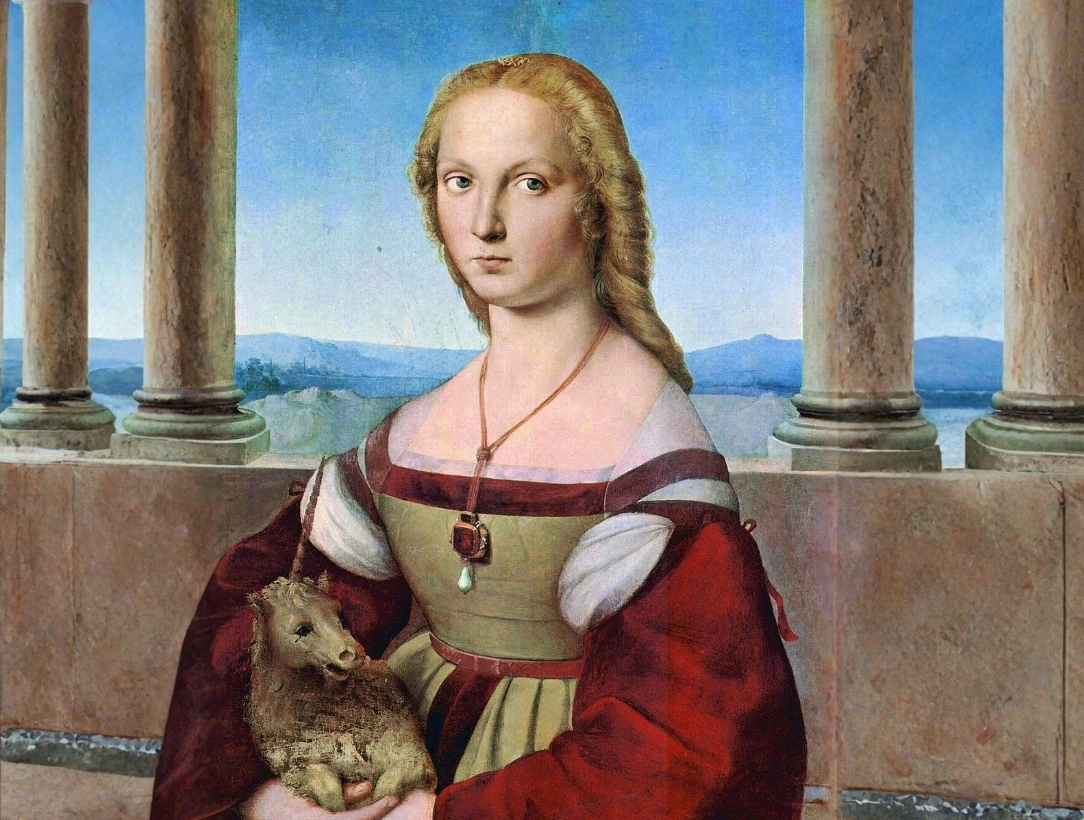
Raphael: Sublime Poetry explores the life and creative process of Raphael (Raffaello di Giovanni Santi), one of the most celebrated artists of the Italian Renaissance. Despite dying at just 37, Raphael achieved extraordinary success as a painter, designer, and architect, earning a reputation for artistic perfection that endured for centuries. Bringing together more than 170 masterpieces and rare works, the exhibition traces his journey from Urbino to Florence—where he emerged alongside Leonardo da Vinci and Michelangelo—and finally to his prolific years at the papal court in Rome.
Among the highlights of the upcoming exhibition Raphael: Sublime Poetry at The Metropolitan Museum of Art, is the Portrait of a Lady with a Unicorn, a work that reveals the young genius of Raphael at a pivotal moment in his career. Painted in oil, originally on panel and later transferred to canvas during conservation in 1934, the portrait depicts a poised young woman seated within a loggia overlooking a serene landscape, a composition clearly inspired by Mona Lisa by Leonardo da Vinci. Yet while Raphael borrows Leonardo’s compositional framework, the sitter’s calm, steady gaze offers a clarity and composure that contrasts with the famous ambiguity of Leonardo’s masterpiece.
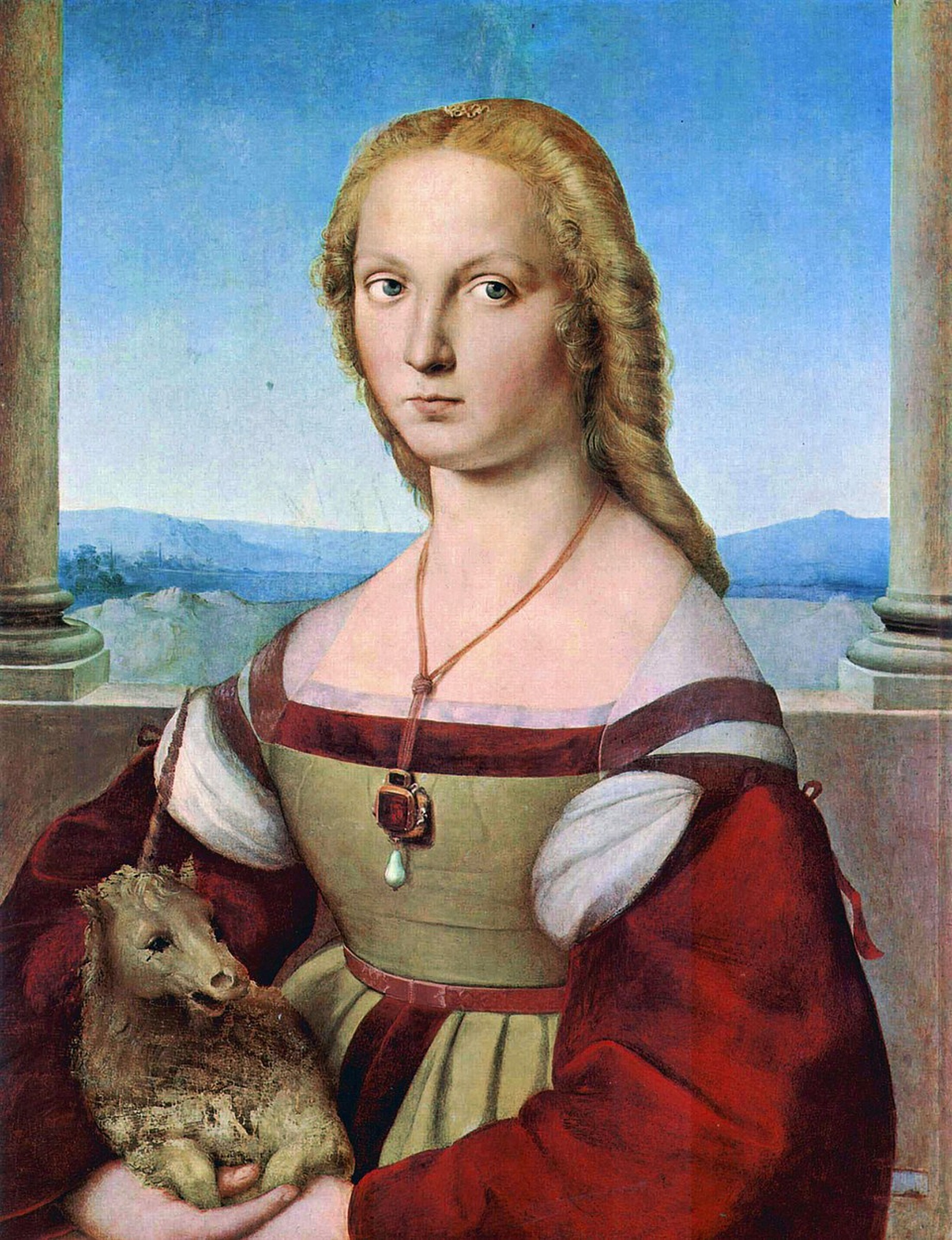
Behind the painting’s story is a fascinating story. For centuries, its true authorship was uncertain, as it was identified as Saint Catherine of Alexandria and mistakenly attributed to Pietro Perugino in an eighteenth-century inventory. Only during the painting’s restoration in the 1930s did conservators remove layers of later overpainting, revealing the delicate unicorn held by the sitter—a traditional medieval symbol of chastity—which had been concealed beneath additions such as a cloak, palm frond, and Saint Catherine’s wheel. Further radiographic studies in 1959 uncovered an even earlier detail beneath the unicorn: a small dog, symbolising marital fidelity, suggesting Raphael refined the symbolic meaning of the portrait during its creation.
Today, Portrait of a Lady with a Unicorn stands as one of Raphael’s most captivating early portraits, an elegant synthesis of Renaissance symbolism, technical brilliance, and artistic dialogue with Leonardo. Its appearance in Raphael: Sublime Poetry offers visitors a rare opportunity to encounter this enigmatic masterpiece up close, and to witness how conservation and scholarship have gradually revealed the painting’s true identity over time.