Masterpiece Spotlight: Keith Haring's Untitled Mickey Mouse
17 Feb 2026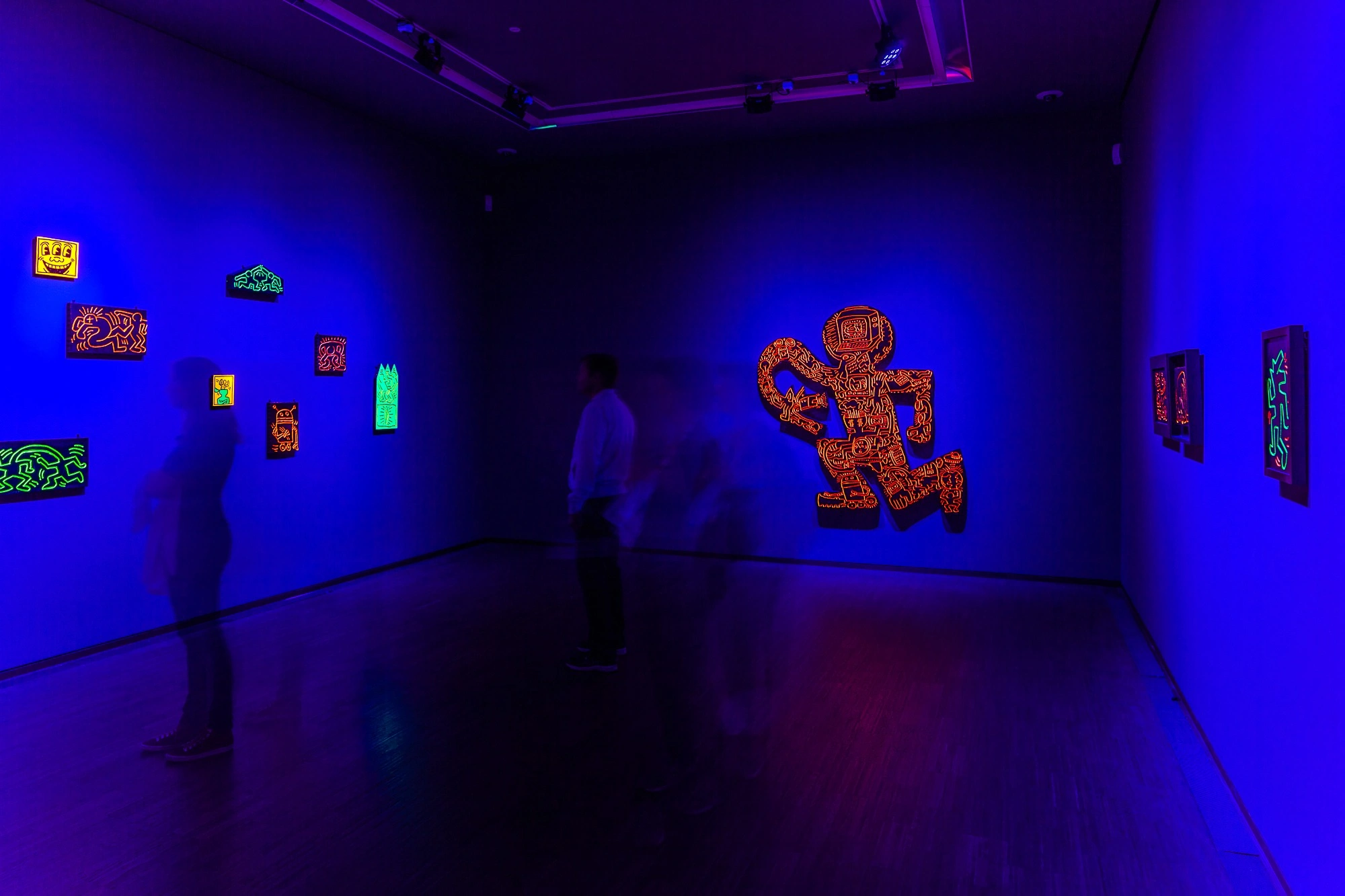
This March, The Brant Foundation is presenting Keith Haring, an exhibition revisiting the iconic artist’s formative years from 1980 to 1983, tracing his rapid ascent from New York subway stations to international acclaim. Opening at the Foundation’s East Village space, the show returns to the neighbourhood where Haring first emerged, and brings together key early works, including pieces from his landmark 1982 show at Tony Shafrazi Gallery.
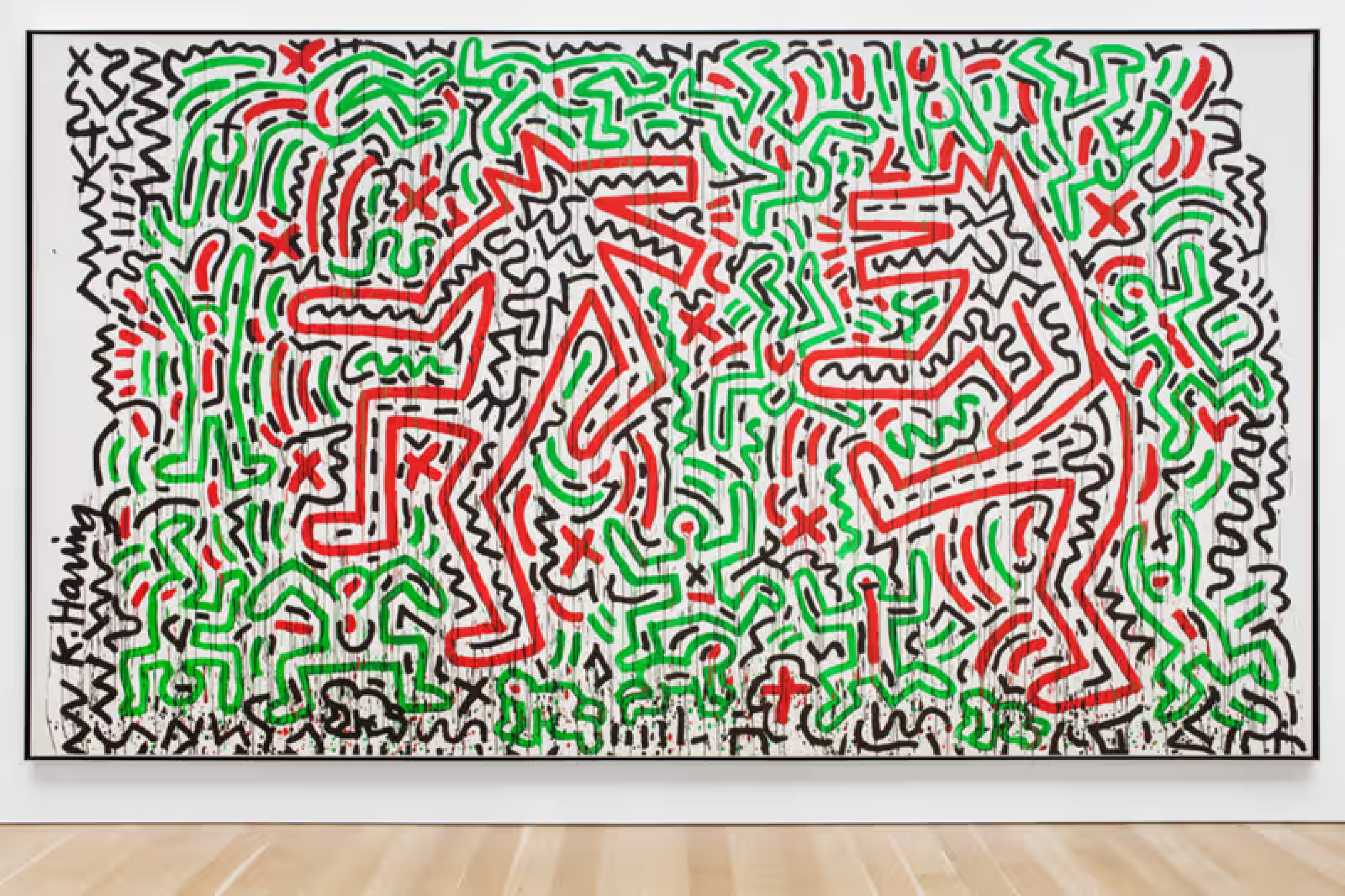
From his early chalk subway drawings to vibrant paintings tackling social and political themes, Haring developed a universally recognisable style built on dynamic lines and iconic symbols: radiant figures, barking dogs, and pop-cultural references. This exhibition highlights the lasting relevance of his work and continues the Foundation’s commitment to honouring the artists who shaped New York’s art world.
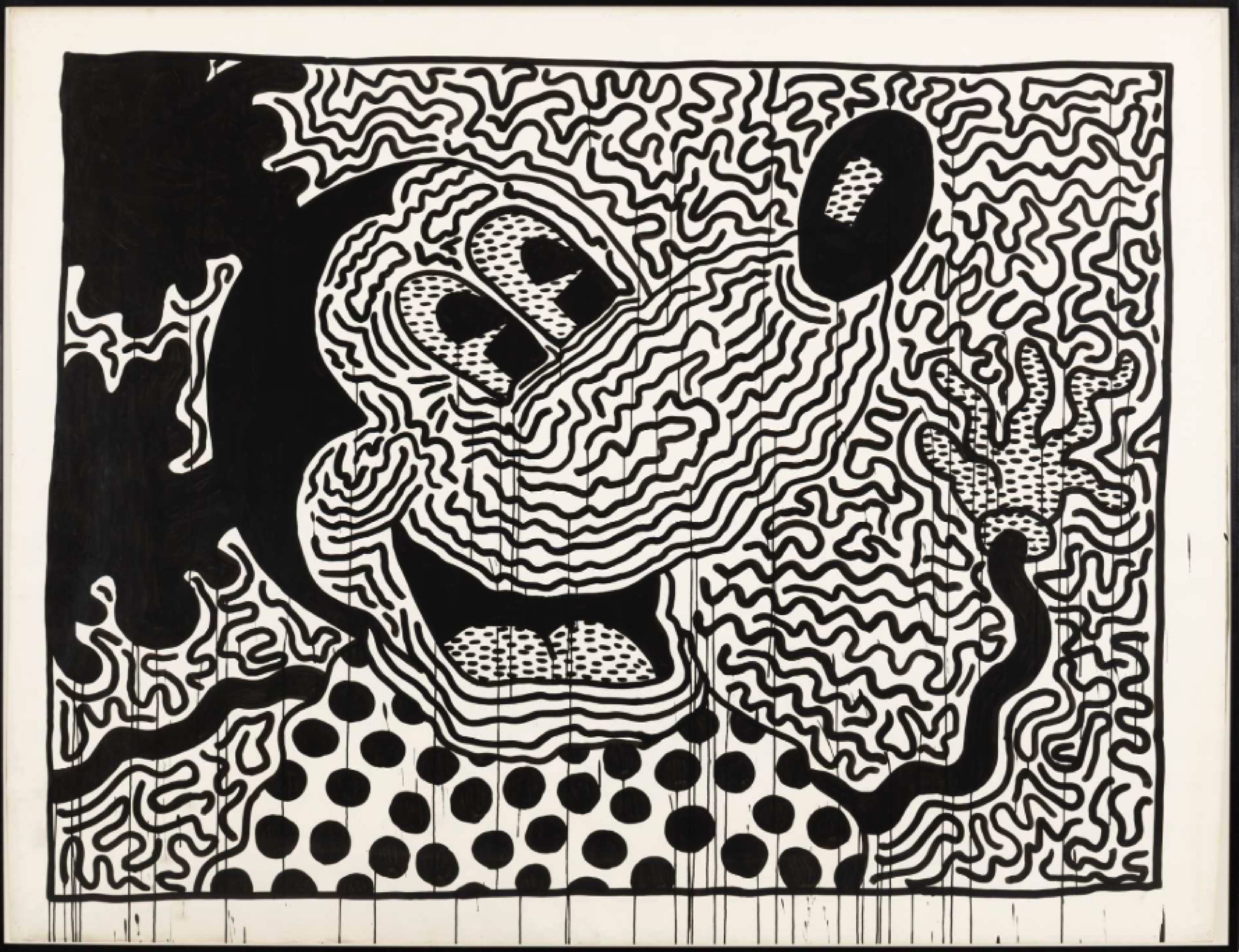
Keith Haring’s Untitled (1982) work featuring Mickey Mouse will be on display at the exhibition, standing as a vivid example of Haring’s ability to merge street culture with instantly recognisable American media icons. Rendered in his signature bold, graphic lines, Haring transforms the familiar cartoon silhouette into a pulsating figure charged with movement and energy. Stripped of its corporate polish, Mickey retains his playful familiarity, yet becomes subtly unsettling when absorbed into Haring’s frenetic, pulsating visual language.
Keith Haring first learned to draw Mickey Mouse from a “How to Draw” book at his grandmother’s house, an early encounter that later evolved into a recurring motif in his work. In Haring’s hands, the character became both a potent symbol of America and a vehicle for exploring themes of power, mortality, and desire. Rather than offering simple homage, Haring recontextualizes the character within the turbulent climate of the Cold War and the AIDS crisis, blurring the line between celebration and critique.
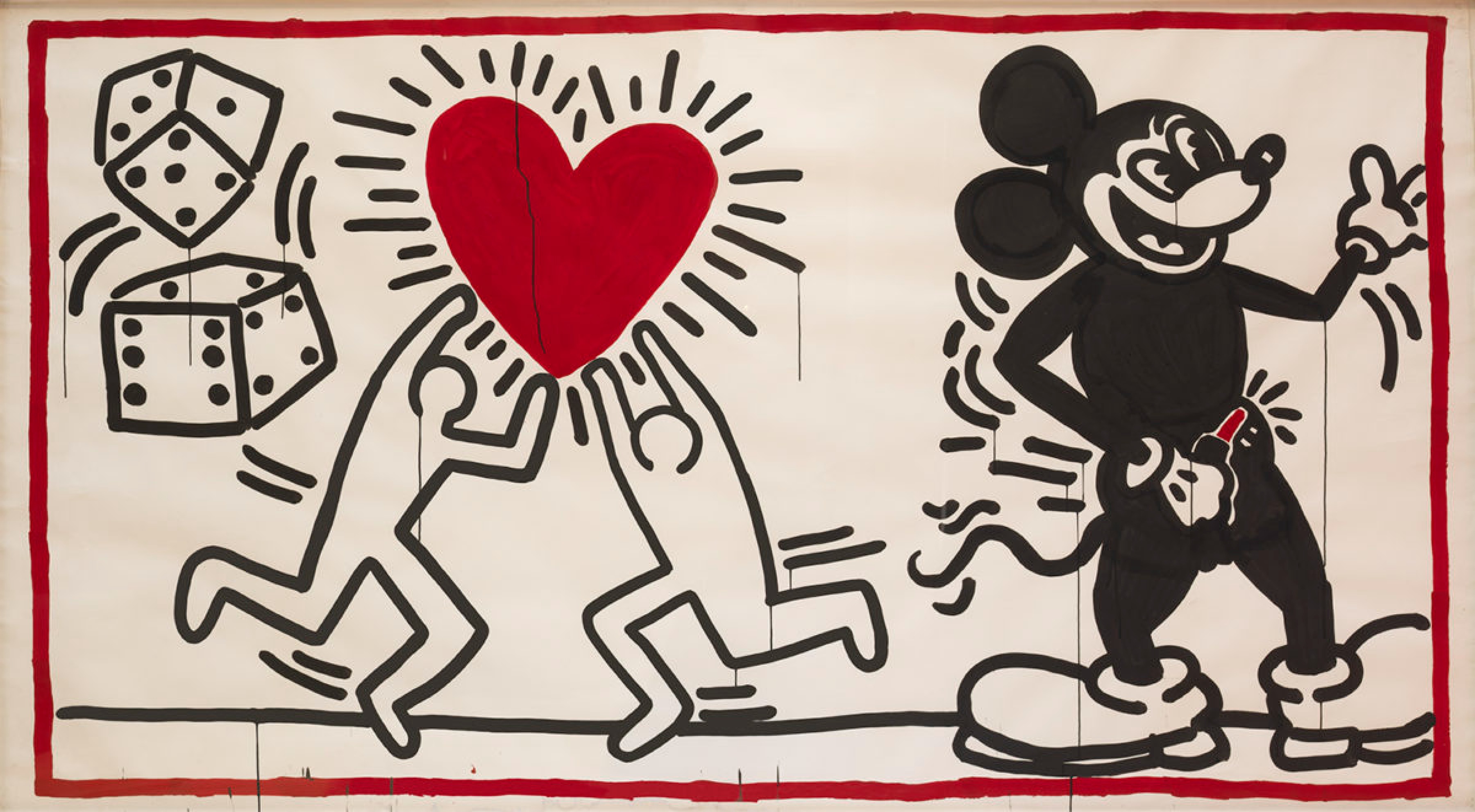
In this 1982 Untitled work, Haring demonstrates how a universally recognized figure could be repurposed into a vehicle for social commentary, reflecting his broader commitment to art as a public and political language.