Kwame Brathwaite: Revolutionary Movements
5 Jun 2026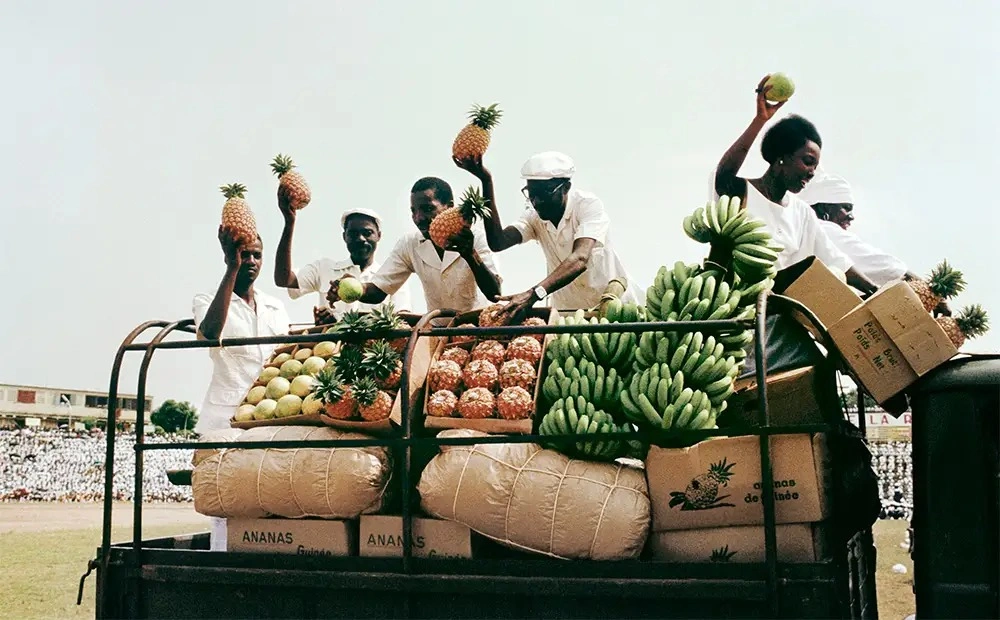
Born on New Year's Day, 1938, to Barbadian immigrants in Brooklyn, Kwame Brathwaite grew up to become one of the most consequential photographers of the 20th century. His camera became a political instrument, a tool for joy, and a mirror held up to a community that mainstream culture largely refused to see.
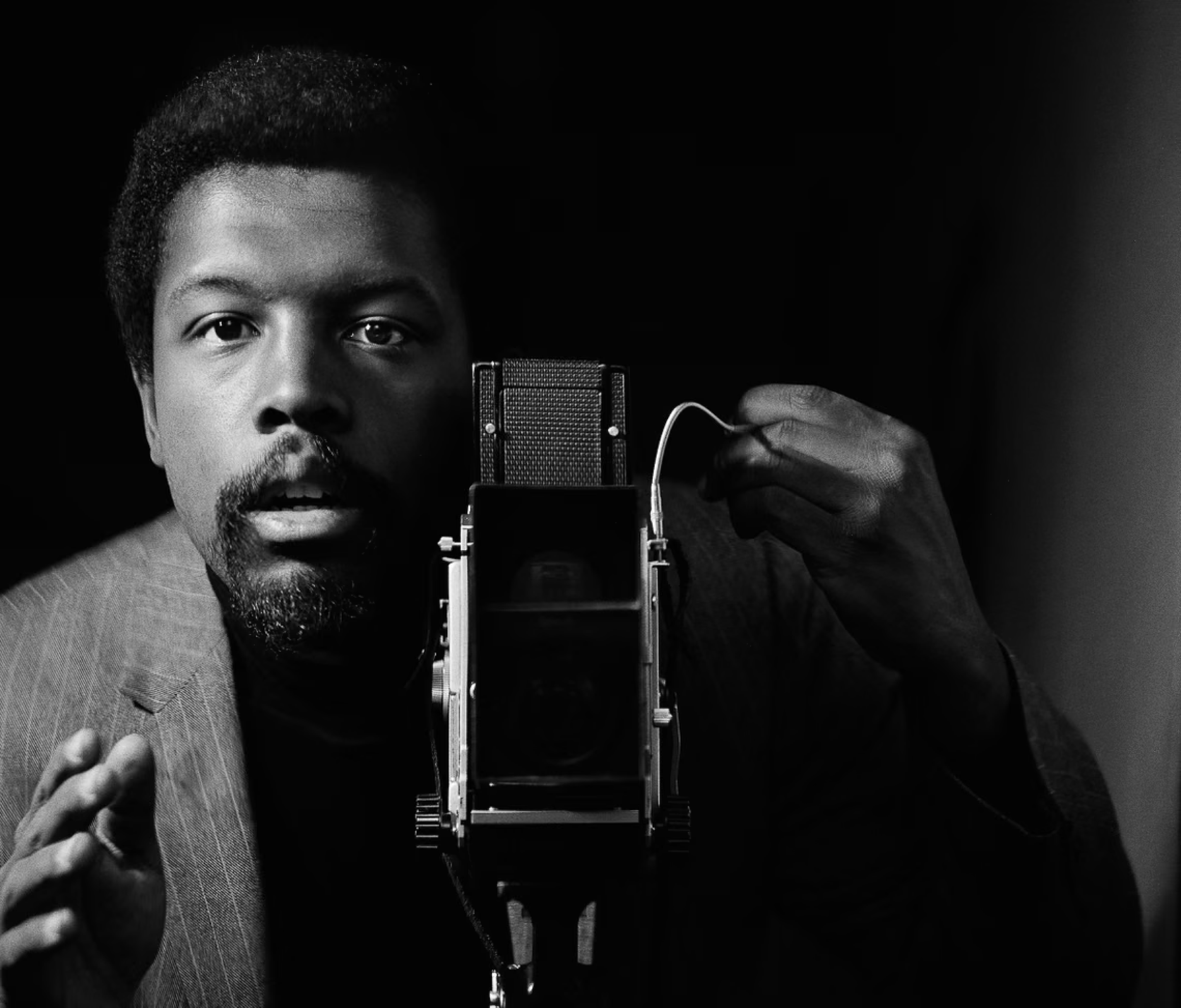
Kwame Brathwaite “Self Portrait” (1964) Courtesy of the artist and Philip Martin Gallery
Inspired by the writings of Marcus Garvey and the teachings of Carlos A. Cooks, Brathwaite created the visual overture for the “Black is Beautiful" movement in the late 1950s and early 1960s. He spread this vision through his photographs and through two organizations he co-founded with his older brother Elombe Brath: African Jazz Art Society and Studios (AJASS), established in 1956, and the Grandassa Models, founded in 1962. At a time when segregation had its twisted grip in the United States, his work challenged the mainstream beauty standards that excluded women of color, celebrating Black beauty and instilling pride throughout the community nationwide.
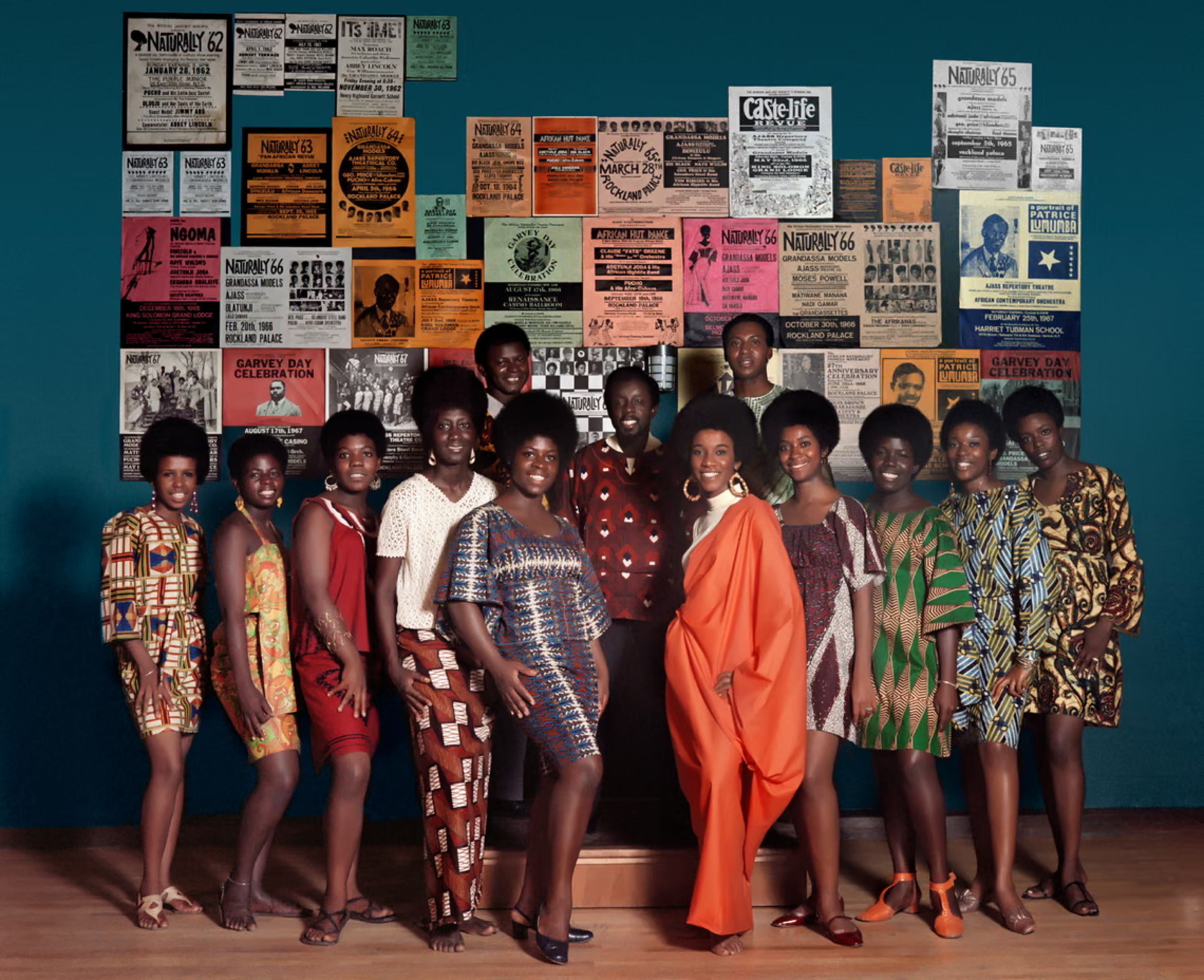
Naturally ’68 photo shoot, featuring Grandassa Models and founding members of Ajass. Photograph: Courtesy of the artist and Philip Martin Gallery
Spending much of the 1960s in a tiny darkroom in Harlem, Brathwaite perfected a processing technique that made Black skin radiate in a photograph with a life and energy as complex as that decade. Throughout the decade, he produced reporting and pictorials for leading Black publications including The Amsterdam News, City Sun, and The Daily Challenge. By the 1970s, he had become a top concert photographer, shaping the images of Stevie Wonder, Bob Marley, James Brown, and Muhammad Ali.
Now, a new exhibition at the Mead Art Museum at Amherst College brings that full arc into focus. Kwame Brathwaite: Revolutionary Movements treats movement as the central throughline of his work: his engagement with social and political movements, and his keen attention to the body in motion. Through a selection of original and new prints from archival negatives, the exhibition offers an opportunity to experience the breadth of his work and its resonance today.
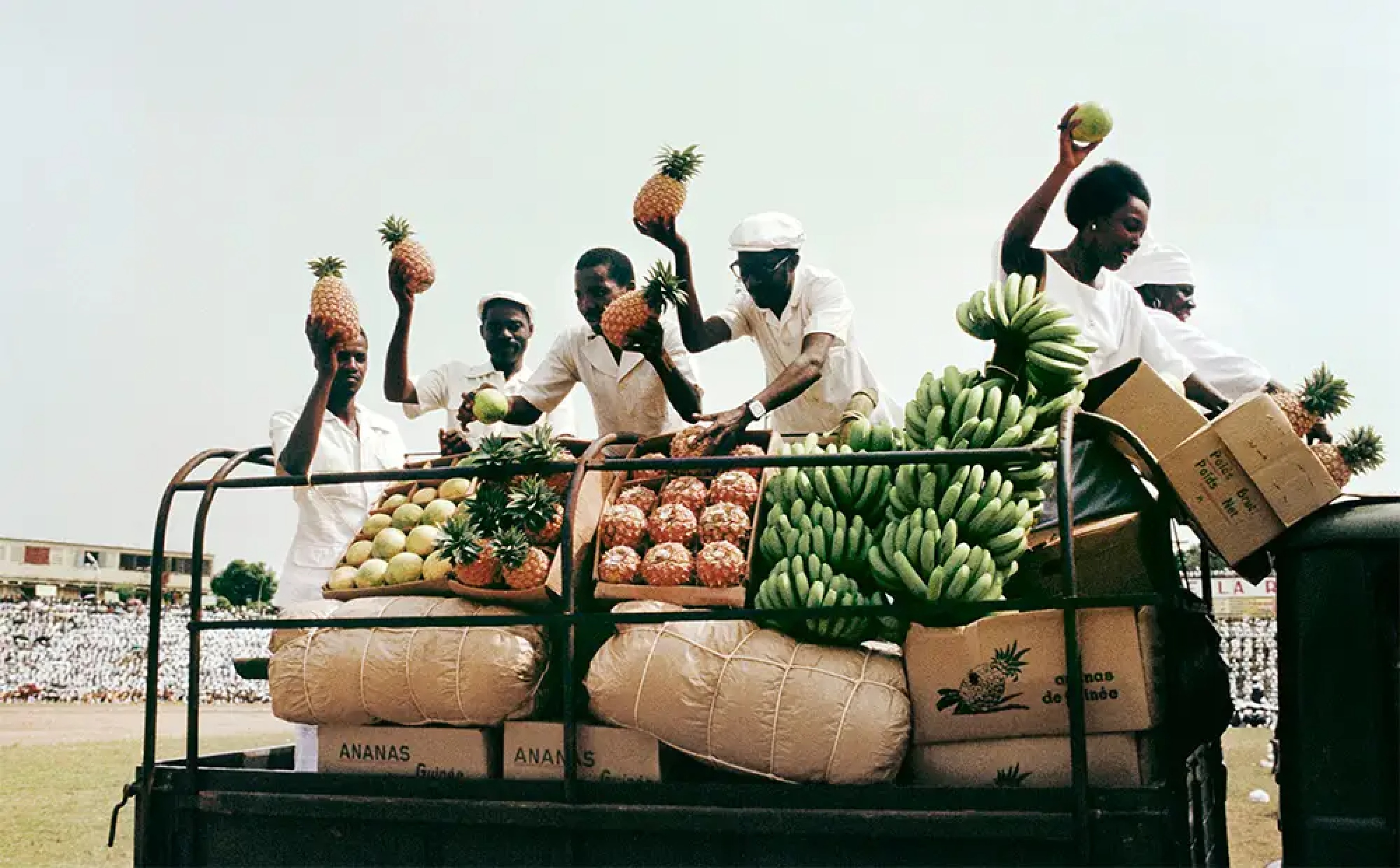
Kwame Brathwaite, Untitled (Independence Day), 1973 c. Archival pigment print. Courtesy of the Kwame Brathwaite Archive and Philip Martin Gallery. Copyright Kwame Brathwaite Archive.
What makes this presentation distinct is how it came together. Curated in close partnership with Brathwaite's son and daughter-in-law, Kwame and Robynn Brathwaite (Amherst College Class of 1996 and 1998, respectively), Revolutionary Movements will expand the stories surrounding the artist's work and its international circulation. Their involvement brings an intimacy and a stewardship to the project that no outside curator alone could provide, opening up dimensions of Brathwaite's archive that remain little seen.
Brathwaite gave visual power to the now common belief that Black is beautiful, a contribution that has resulted in generations of Black image makers making photographs that have further defined and celebrated our collective humanity. In a moment when questions of representation, identity, and resistance feel as charged as ever, this exhibition arrives with something urgent to say. Revolutionary Movements is on view through July 5.