Four art-filled city breaks to take this fall
28 Aug 2026
Fall is made for city breaks. The summer crowds begin to thin, cultural calendars gather pace and a few days away can feel far more restorative than the journey suggests.
This season, look beyond the usual art capitals. Vienna is bringing Picasso and Bacon into direct confrontation, Boston pairs world-class collections with New England colour, Reykavík offers a creative scene shaped by its extraordinary landscape, while Marrakesh provides warmth, contemporary African art and design at every turn.
Here are four cities worth travelling for this fall.
Vienna
Vienna can sometimes feel preserved in amber, all imperial palaces, Klimt gold and perfectly ordered coffee houses. This fall, however, the city’s contemporary side is particularly difficult to ignore.
The headline exhibition is Picasso – Bacon: What It Feels Like To Be Human at the Albertina, opening on 18 September. Bringing together around 70 works from international museums and private collections, the exhibitions places two of the twentieth century’s most influential figurative painters in direct conversation. Seen together, their fractured bodies and distorted faces reveal two very different responses to what it means to represent a human being.
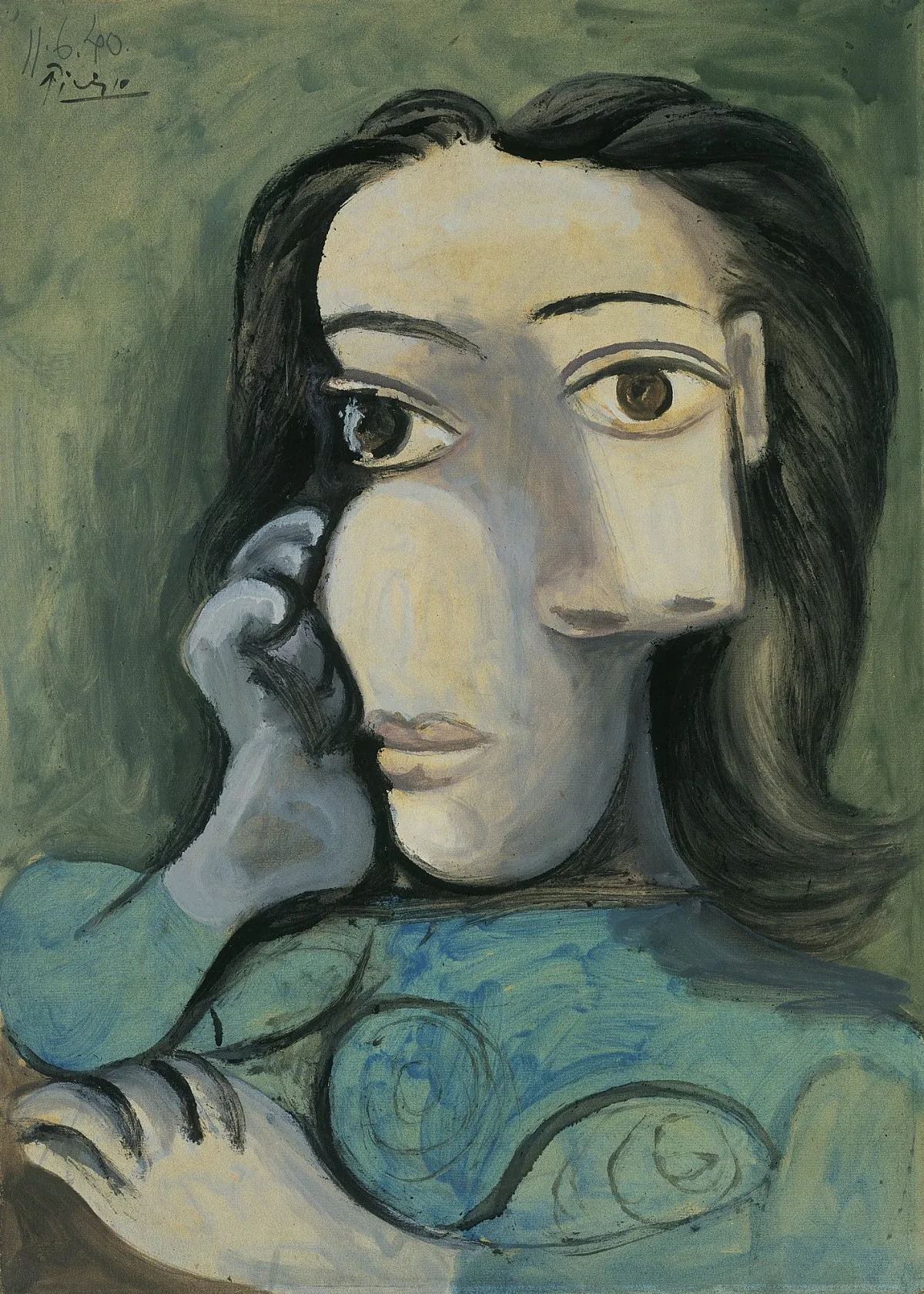
Pablo Picasso, Dora Maar, 1940. Oil on paper, 64 × 46 cm. Museum Berggruen, Berlin. © Succession Picasso / Bildrecht, Vienna 2026.
Continue to Kunsthalle Wien for Lebt und Arbeitet in Wien: Contemporary Art from Vienna, the institution’s largest survey of MuseumsQuartier and Karlsplatz, it brings together more than 130 works by 56 artists, proving that Vienna’s most important creative voices do not belong exclusively to its past. The exhibition closes on 26 October.
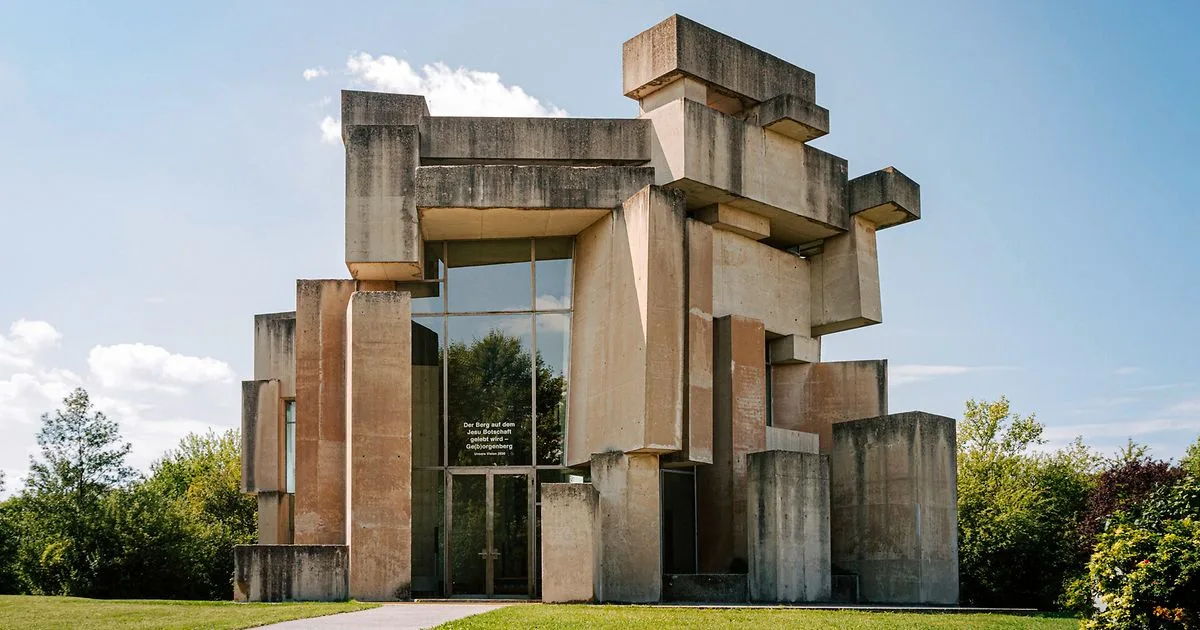
The past is still essential of course. The Leopold Museum holds the world’s largest collection of works by Egon Schiele, while the Upper Belvedere is home to Gustav Klimt’s The Kiss. If you have an extra afternoon, leave the centre for the Wotruba Church at the edge of the Vienna Woods. Built from 152 irregular concrete blocks, Fritz Wotruba’s 1976 church looks less like a religious building than a monumental geometric sculpture.
Church of the Most Holy Trinity (Wotruba Church), Vienna. Photo: Paul Bauer.
Boston
Boston is particularly convincing in fall. The air sharpens, the trees turn and the city’s red-brick streets begin to resemble their most cinematic selves. Its art scene is equally rewarding, moving between historic collections, experimental spaces and architecture worth travelling for.
Begin at the Isabella Stewart Gardner Museum. Modelled after a fifteenth-century Venetian palace, the museum remains arranged according to Gardner’s own instructions, with paintings, textiles, furniture and antiques filling almost every surface.
At the Museum of Fine Arts, Öyvind Fahlström: Are You Happy?, opening on 5 September, explores the Swedish artist’s experiments with painting, performance and mass media. Also opening that weekend, Naoko Matsubrara’s Woodblock Worlds traces a seven-decade practice shaped by landscape, motherhood, music and movement. From 26 September, Suzanne Jackson: What is Love offers the first major museum retrospective dedicated to the pioneering American artist, dancer and gallerist.
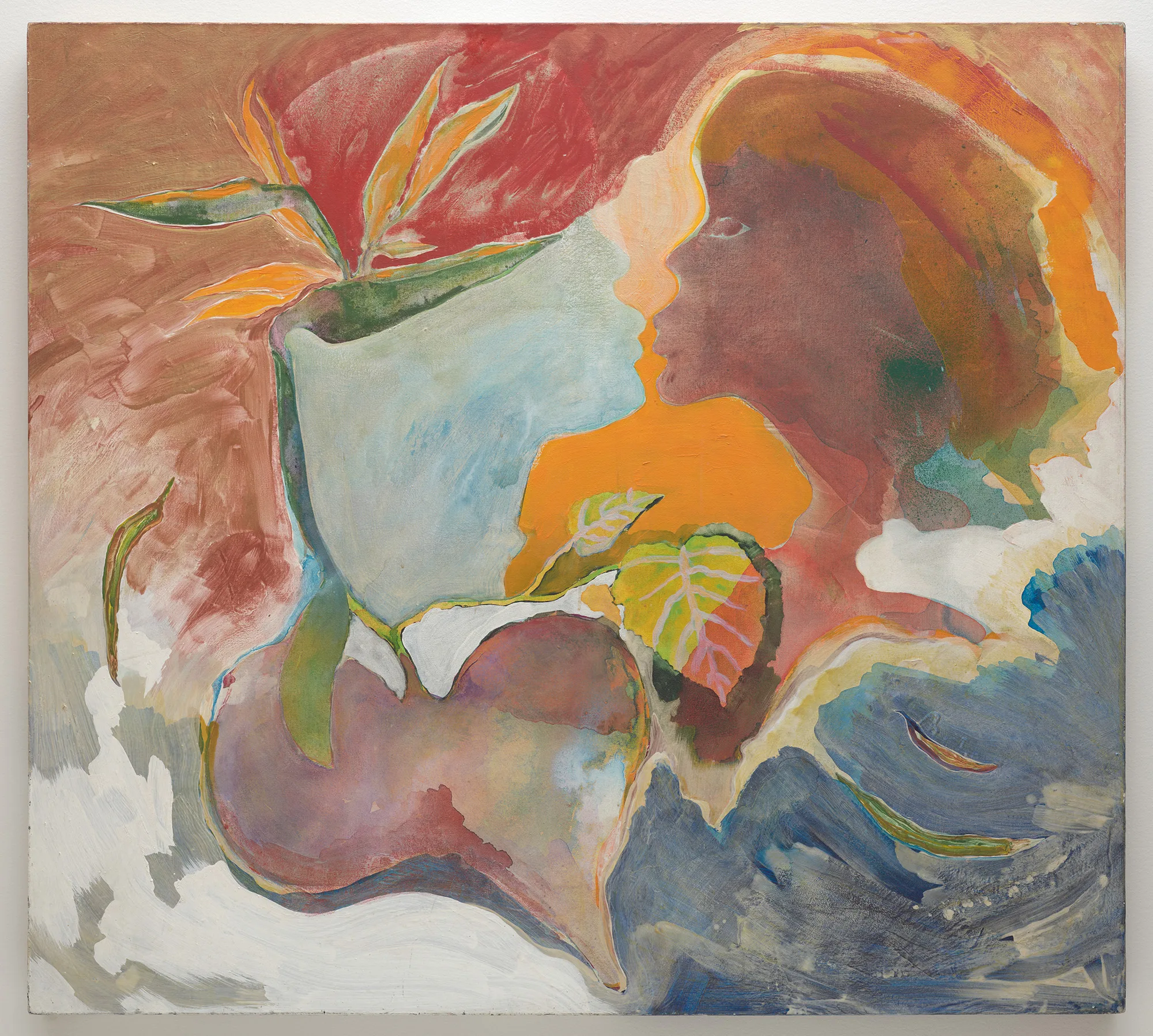
Suzanne Jackson, El Paradiso, 1981–84. Acrylic wash and gesso on canvas, 55 × 62 in. © Suzanne Jackson. Photo: Katherine Du Tiel.
For something more contemporary, cross to the waterfront for the Institute of Contemporary Art, where Leilah Babirye’s Embaga ya Naki ne Naki (Wedding of Naki and Naki) centres queer kinship through richly adorned figures carved from wood and assembled from ceramics and found materials.
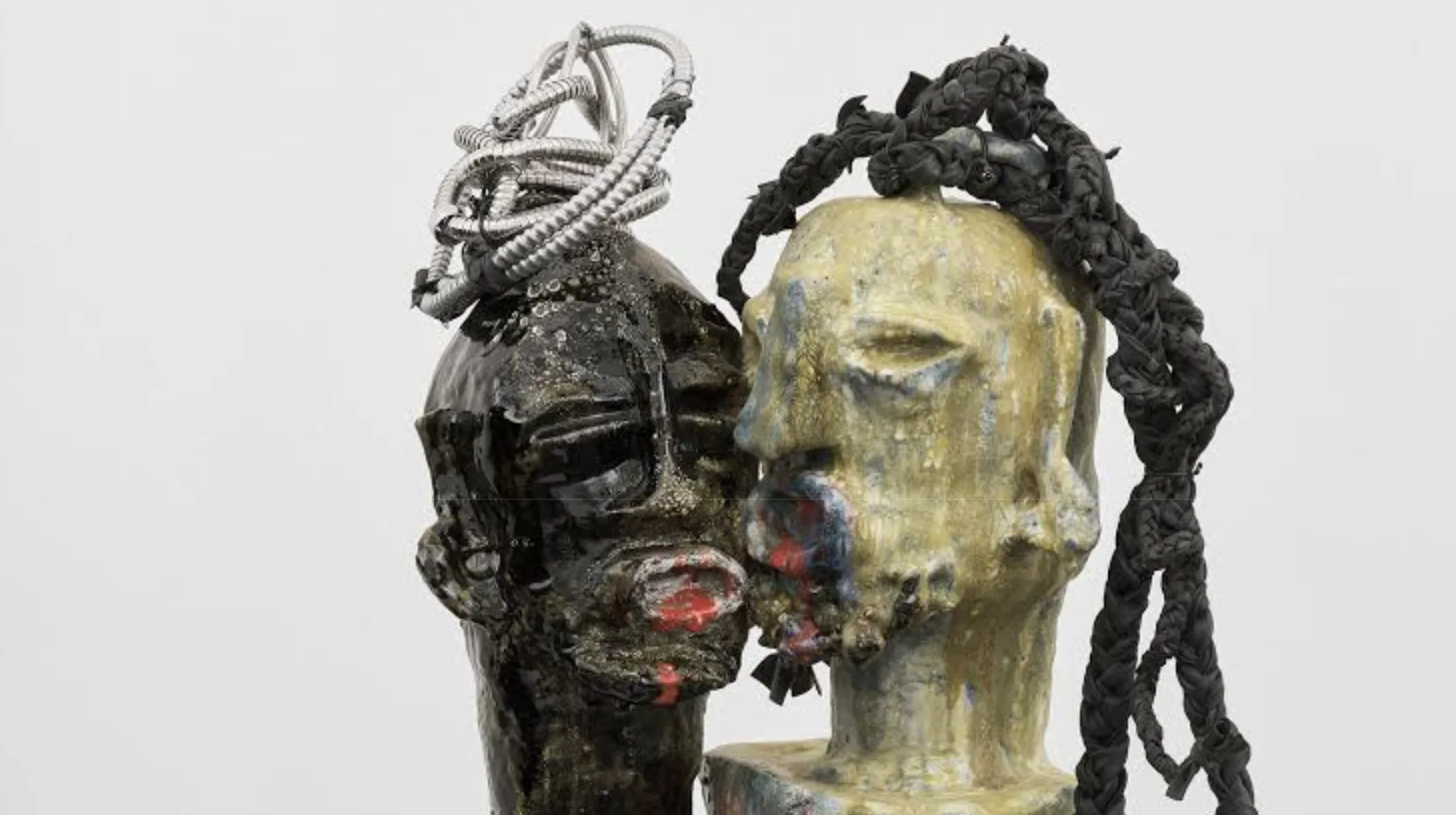
Leilah Babirye, Tuli Mukwano (We Are in Love) III, 2025. Glazed ceramic, wood, bicycle tire inner tubes and found objects. Photo: Olympia Shannon.
If the changing leaves tempt you outside the city, travel to Lincoln for the deCordova Sculpture Park and Walter Gropius’ family home. Designed in 1938, Gropius House combines Bauhaus principles with traditional New England materials, a quietly brilliant meeting of two architectural languages.
Reykjavík
In Reykjavík, the landscape is never merely a backdrop. Lava, water, extreme light and long darkness have shaped the way Icelandic artists think, and even a short visit reveals how closely the country’s visual culture is tied to the natural world.
Go before 20 September and start at the National Gallery of Iceland with echolalia, Björk’s theatrical presentation of three songs on a museum scale. Two works, Ancestress and Sorrowful Soil, were composed in honour of her late mother, while a third offers a first glimpse of music from her forthcoming album. Sound, image technology and grief unfold together, making the exhibition feel like an extension of Björk’s creative universe.
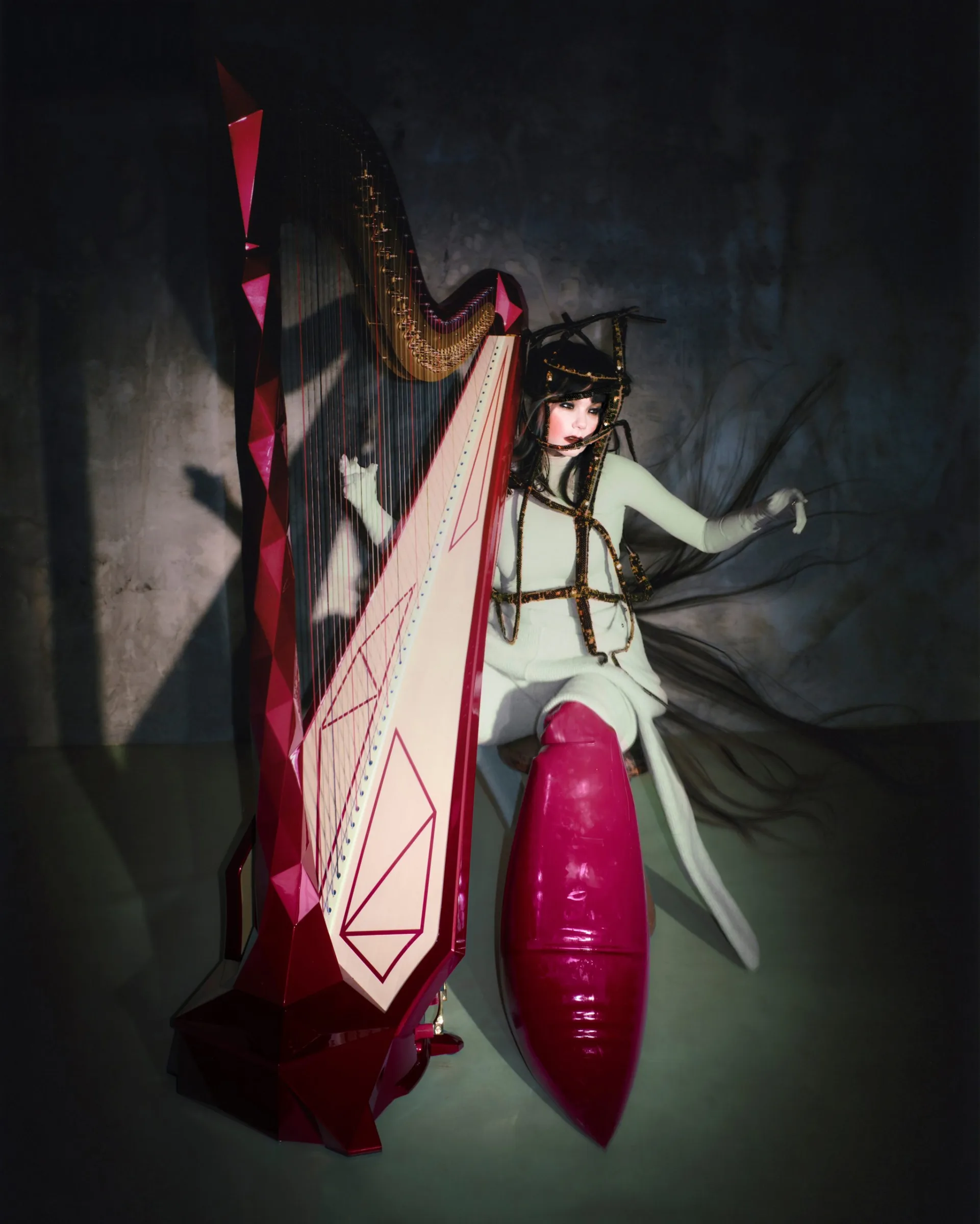
Björk. Photo courtesy Reykjavík Arts Festival.
Alongside it, James Merry’s Metamorphlings runs until 18 October. The artist’s first museum retrospective brings together more than 80 masks made using embroidery, metalwork, jewellery, 3D printing and interactive technology. Merry treats the mask as a point of transformation, where identity becomes fluid and the body can move into something stranger.
The Reykjavík Art Museum is divided across three branches. At Kjarvalsstaðir, Big Little City: Reykjavík in View examines how the capital has been imagined and reshaped by artists including Nína Tryggvadóttir, Louisa Matthíasdóttir and Ólafur Elíasson. Hafnarhús provides an encounter with Icelandic Pop through its holdings of work by Erró, while Ásmundarsafn occupies sculptor Ásmundur Sveinsson’s curved former home and studio.
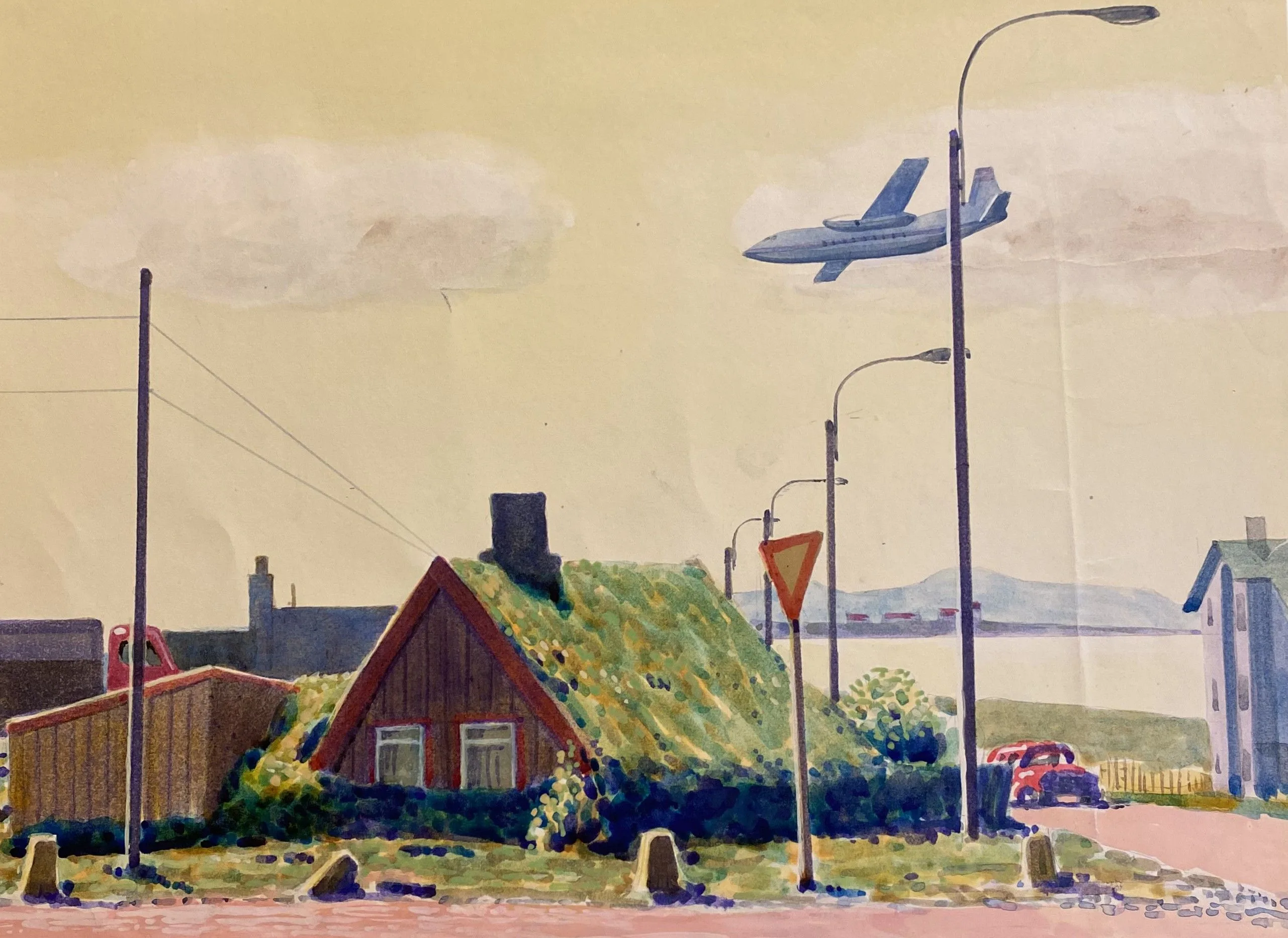
Artwork featured in Big Little City – Images of Reykjavík. Courtesy Reykjavík Art Museum / Kjarvalsstaðir.
End at Harpa as the light begins to change. Its iridescent façade, conceived by Ólafur Elíasson, shifts with the harbour and sky. In a city where the weather can transform several times in an afternoon, the building never appears quite the same twice.
Marrakesh
In Marrakesh, creativity is woven into the fabric of the city. Terracotta architecture, vivid gardens and centuries-old craft traditions sit alongside a contemporary art scene that continues to gather momentum. As the intensity of summer softens, fall is an ideal time to experience it.
Start at Jardin Majorelle, where Jacques Majorelle’s electric blue buildings rise between palms and cacti. Nearby, the Musée Yves Saint Laurent Marrakech traces the designer’s enduring relationship with the city through garments, sketches and archival material, all housed within Studio KO’s striking terracotta building.
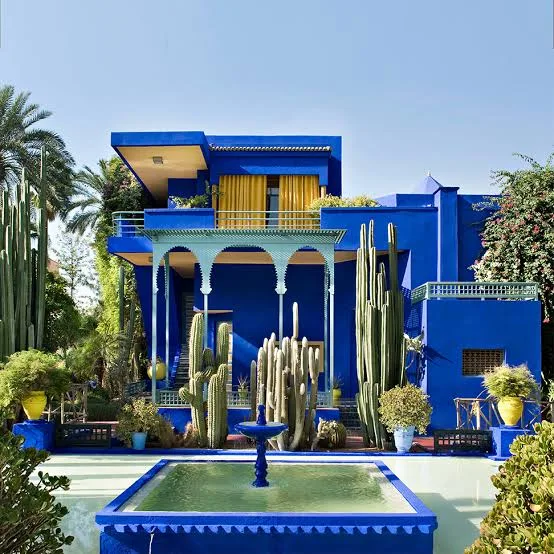
Jardin Majorelle, Marrakech. Courtesy Jardin Majorelle.
Continue to Guéliz for Comptoir des Mines Galerie. Set inside a former Art Deco office building, its exhibitions place Moroccan artists within a wider African and international context. Nearby, Galerie 127 offers a quieter perspective through its focus on photography from Morocco and across the continent.
The essential contemporary art stop is MACAAL, the Museum of African Contemporary Art Al Maaden. Drawing from the Lazraq family collection, the museum brings together work by artists including Joël Andrianomearisoa, Hassan Hajjaj, Abdoulaye Konaté, Chéri Samba and Malick Sidibé.
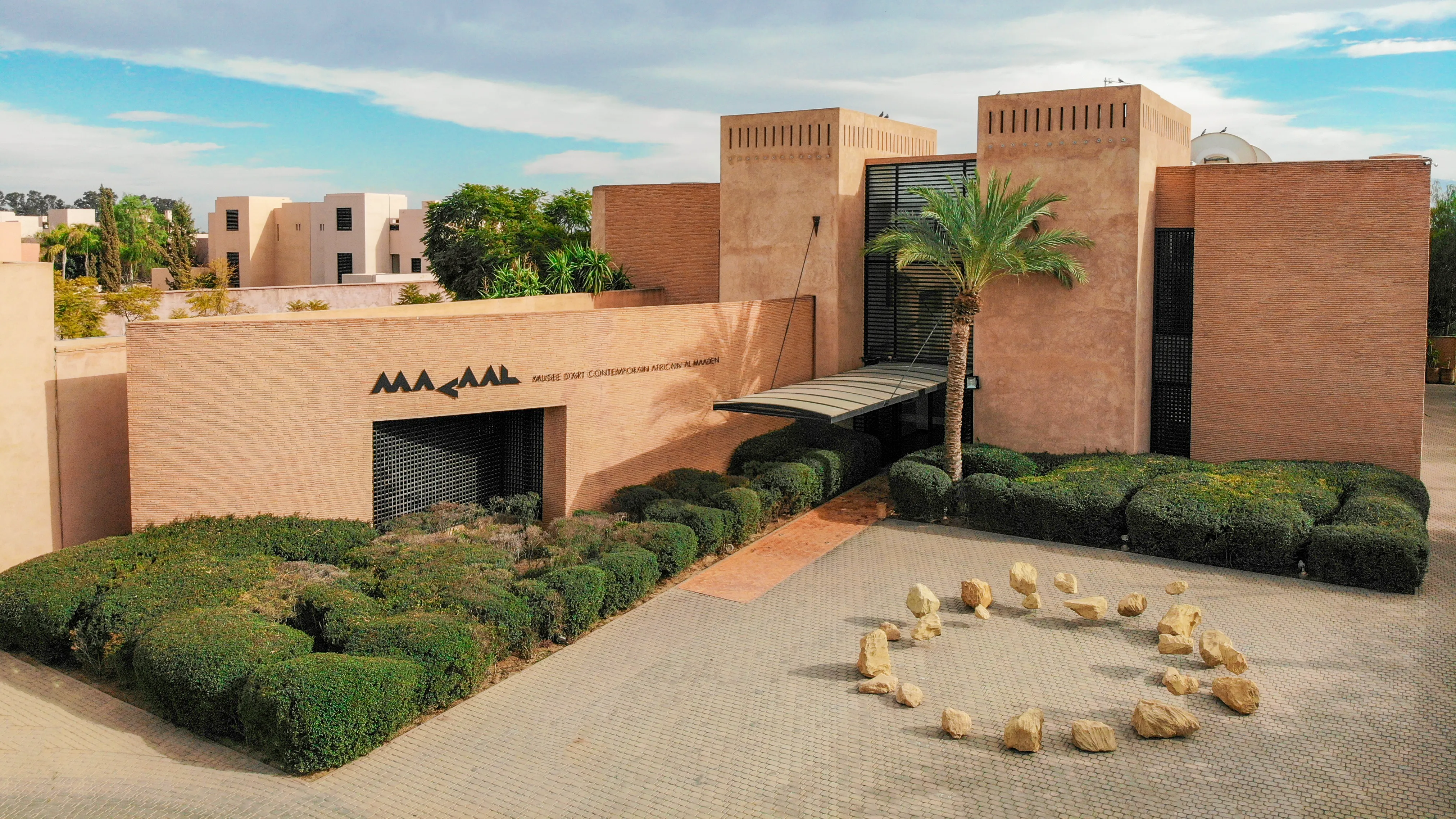
Museum of African Contemporary Art Al Maaden (MACAAL), Marrakech. Courtesy MACAAL.
End in Sidi Ghanem at Jajjah, Hassan Hajjaj’s colourful tea room, restaurant, gallery and shop. Filled with bold furniture, graphic prints and playful references to Moroccan popular culture, it captures what makes Marrakesh so compelling: art, design and daily life are almost impossible to separate.
Whether you are planning a long weekend or a wider journey, let The Cultivist bring you closer to the artists, institutions and cultural moments that make each destination worth the trip.