Cultivist Conversations with Susanna Greeves
1 Jul 2026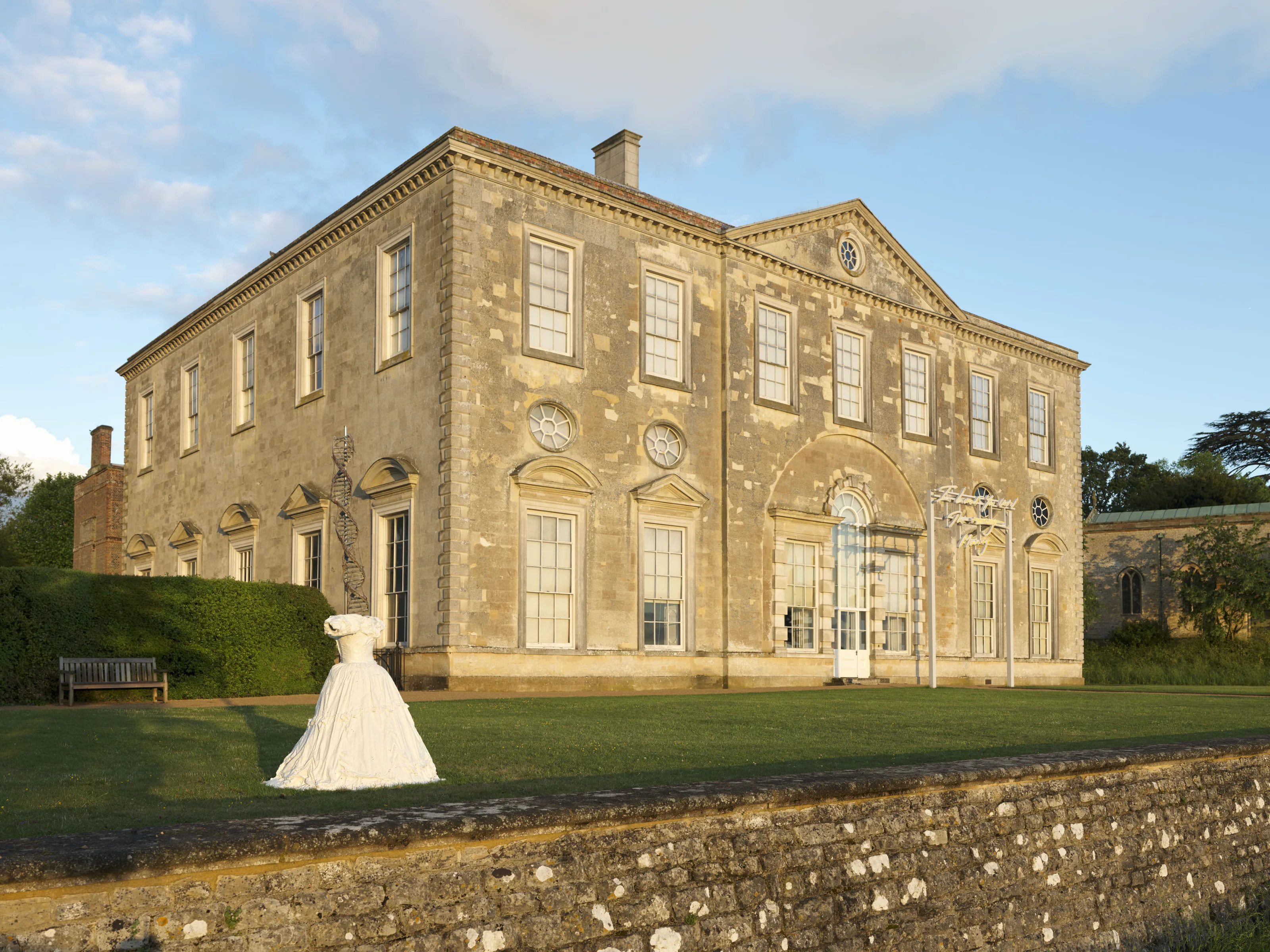
As Global Director at White Cube, Susanna Greeves has spent years thinking about how art and history talk to each other. This summer, that instinct found its most ambitious setting yet: Claydon House, a Buckinghamshire country house with four centuries of drama compressed into its extraordinary rococo interiors. “White Cube at Claydon”, running through 14 September in collaboration with the National Trust and the Verney family, brings together over 40 works by Tracey Emin, Cai Guo-Qiang, Mona Hatoum, Anselm Kiefer, Theaster Gates, and others. We caught up with Susanna to talk about putting contemporary works in a building that has plenty of its own stories to tell.
You've curated large group exhibitions before, including Dreamers Awake, Memory Palace and last year’s Alien Shores. With Claydon, the building itself is practically a collaborator, and a departure from the types of exhibitions White Cube is known for. How did working site-specifically change how you think about the gallery space?
I felt that approaching Claydon as merely a beautiful backdrop would not be to use its full potential. The interiors are so rich in extraordinary decorative detail, but also in accumulated histories – of the makers and craftsmen, and of all the generations of residents, whose personal tragedies or family dramas are interwoven with the history of nation and empire. Rather than coming with an exhibition thesis or theme, I tried to select and place each in conversation with its particular setting.
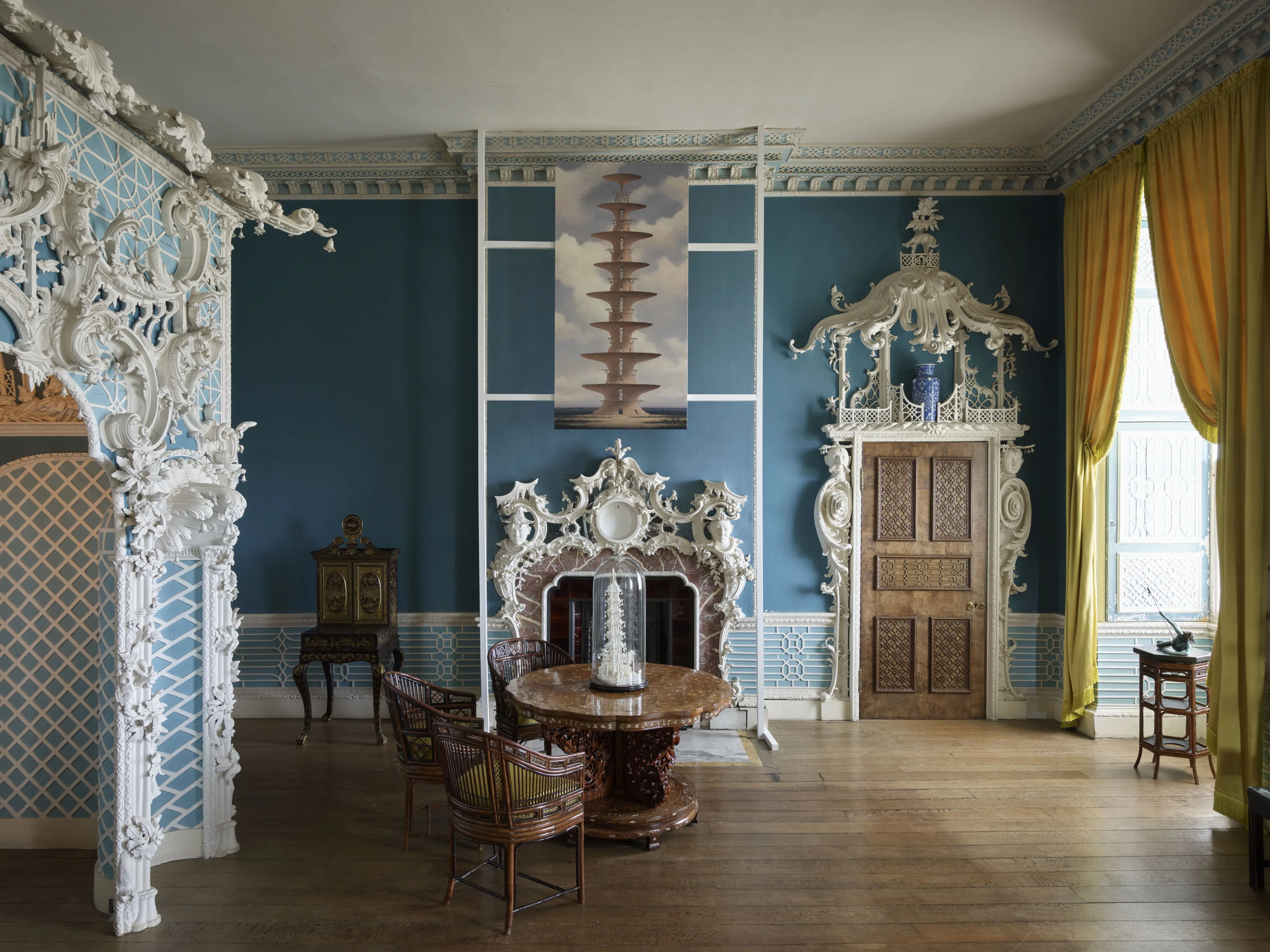
The exhibition draws attention to the women of Claydon, whose histories are "less visibly commemorated" throughout the Buckinghamshire grounds than those of the men, including stories of loss, confinement, and endurance. How central was that to your thinking from the start, and how did it shape which artists you brought into the house?
When I was learning about Claydon from the amazing National Trust staff, this thread was one that they communicated powerfully. It’s a fascinating and moving counterpoint to the stories of patronage, politics and war, but all seemed interesting to acknowledge.
Claydon has four centuries of history packed into its rooms, including connections to the Civil War, the Empire, and Florence Nightingale. When you first walked through the house, where did you feel the strongest pull for contemporary art, and where did you feel the most resistance?
The great thing about Claydon as a setting is that you are aware of the layers of history and the traces left by different stages in the life of the house - unlike some country houses which are more like fully furnished stage sets fixed in a certain period. I think for this reason it seemed as though the contemporary could find a place everywhere, and connections immediately started to suggest themselves.
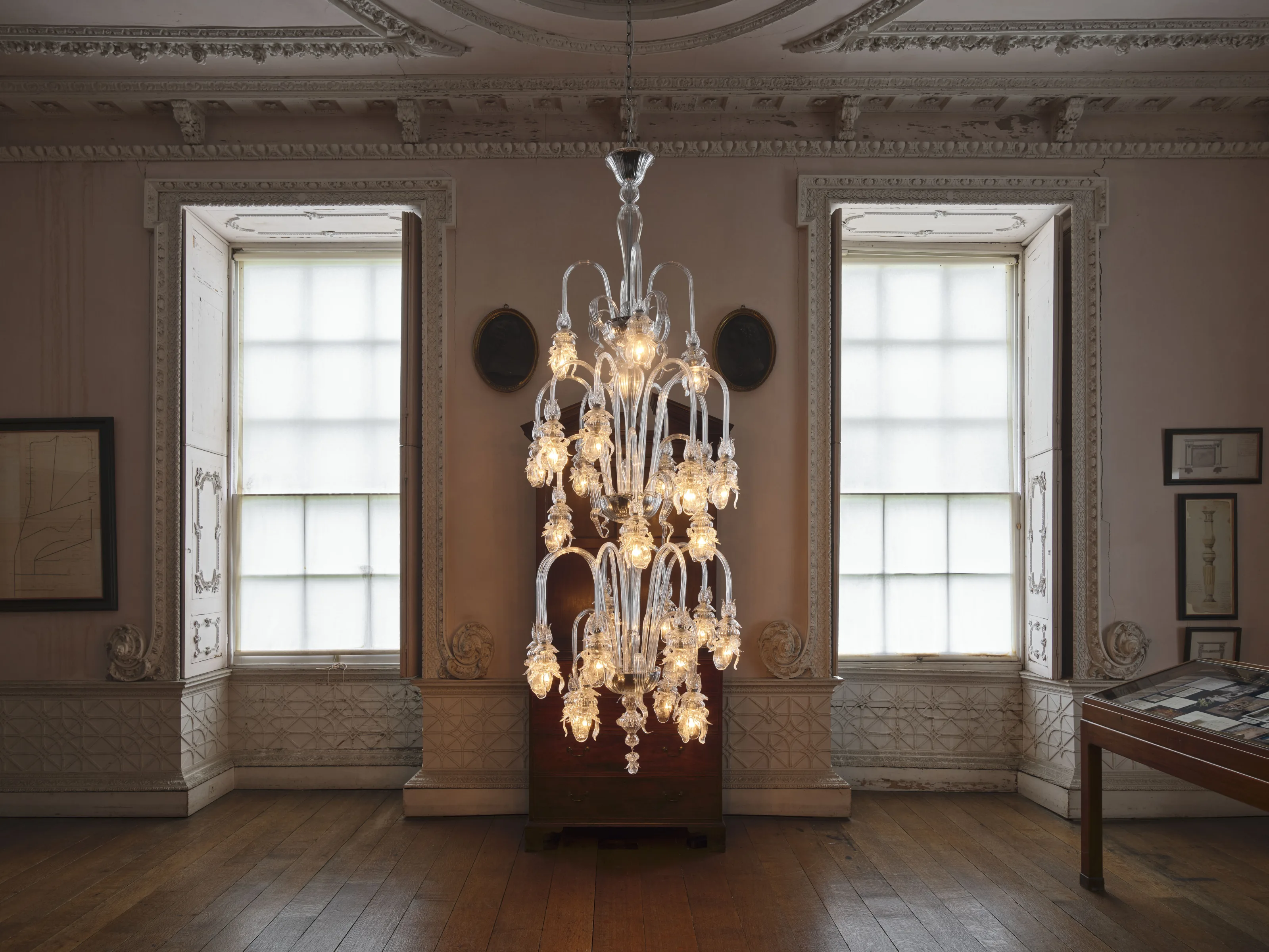
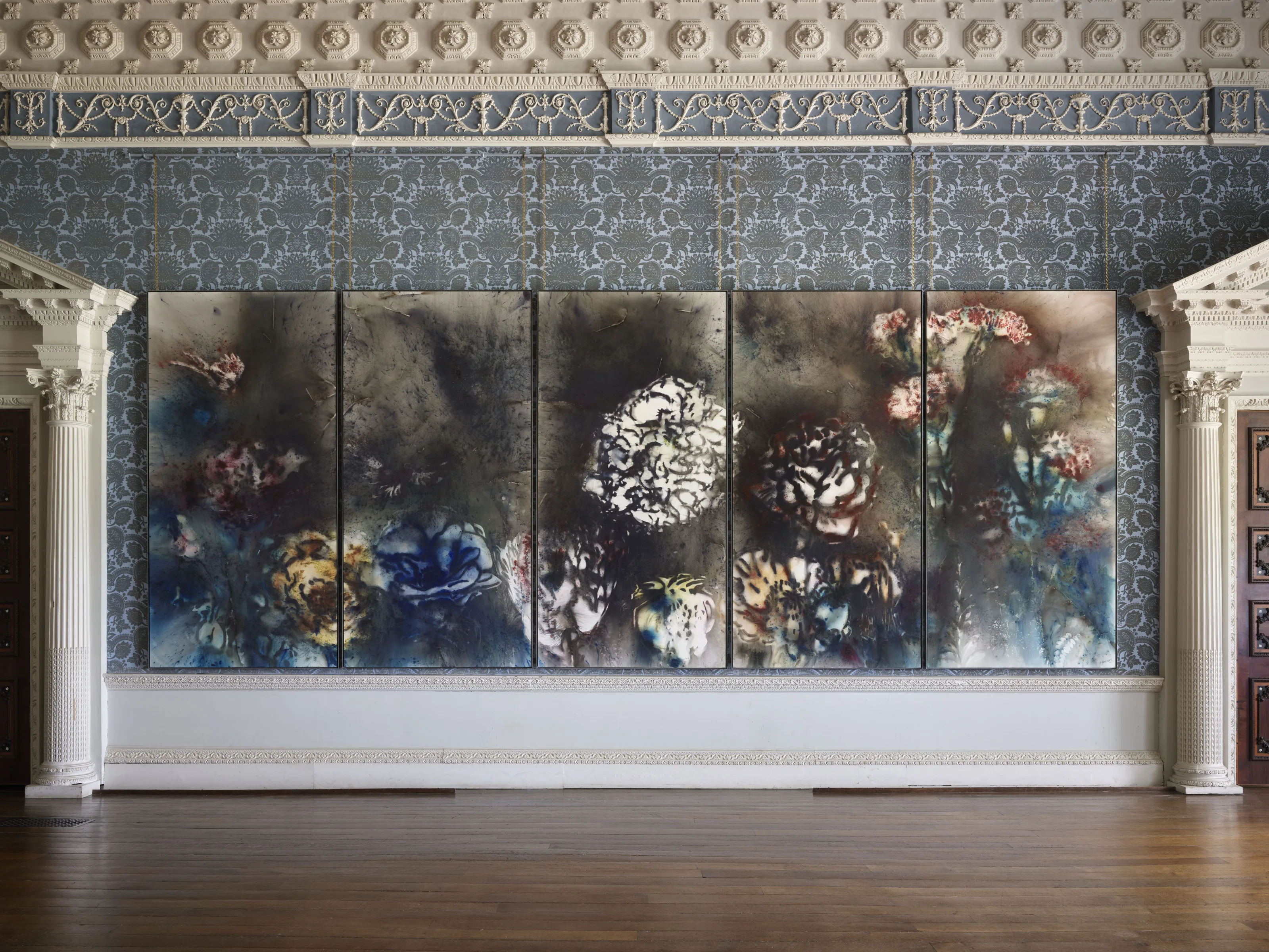
The show places Cai Guo-Qiang's gunpowder painting in the Saloon for Van Dyck’s portraits of King Charles I and Sir Edmund Verney to gaze upon. That's bold positioning. How did you navigate the line between dialogue and disruption when placing work in rooms that are already so narratively loaded?
The contemporary exhibition is not designed as a critique, but was intended in different places to be variously challenging, celebratory, playful and thought-provoking.
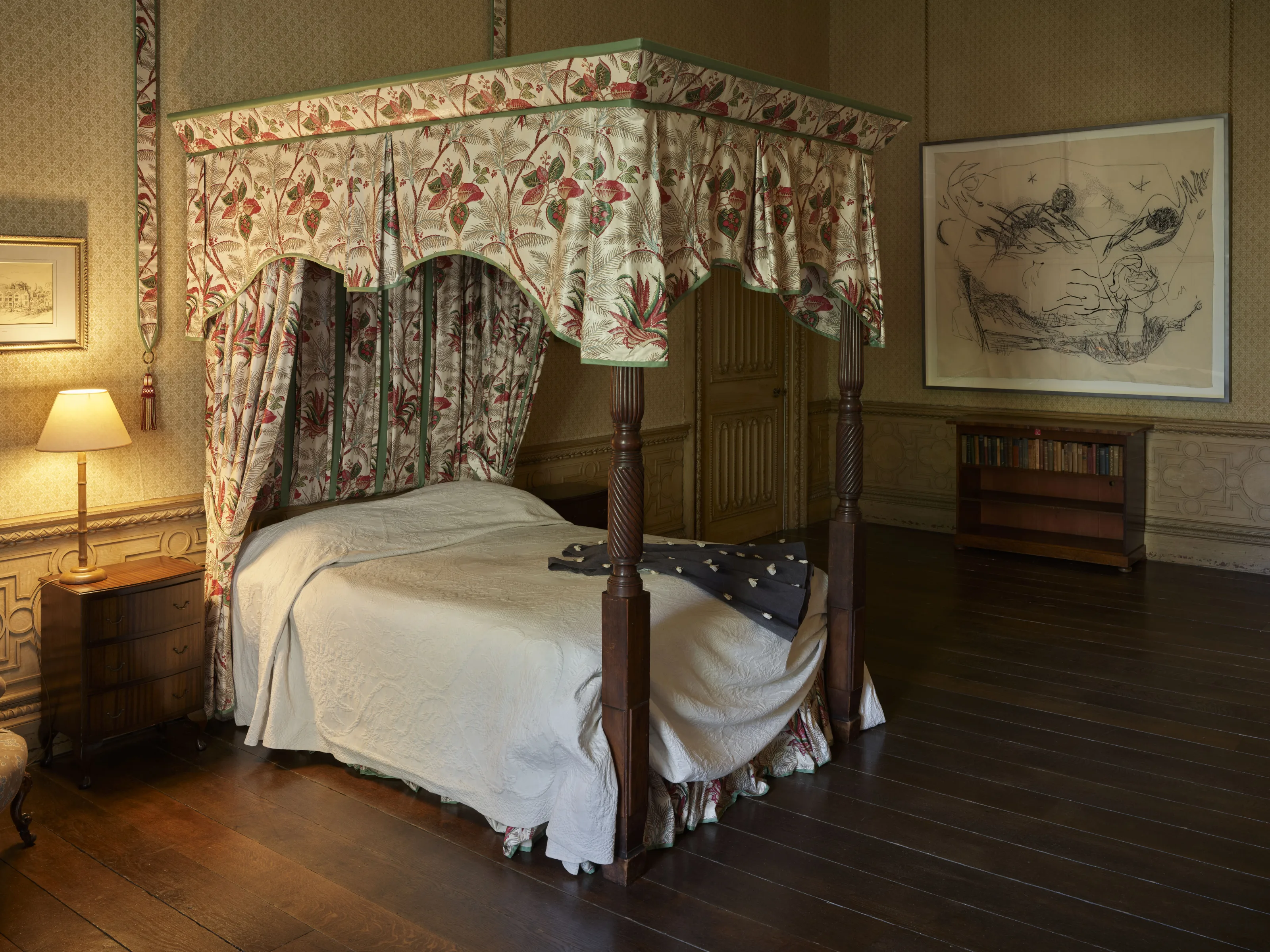
The bedroom on the far end of the upper floor at one point was occupied by Florence Nightingale and then Mary Abel. It now holds works by Mona Hatoum, Julie Curtiss, and Tracey Emin, with handcrafted garments made from human hair and nightmarish embroidery. What drew you to a surrealist register for that room specifically, rather than something more directly biographical?
That is the only room in the house that feels like a private and intimate space and therefore suggested itself as the place to recognise the more hidden, women’s histories of the house, which were sometimes unhappy. It’s not intended to relate directly to Florence Nightingale, though she was often confined to her bed through ill health. We are lucky enough to work with incredible artists like these three, here using materials associated with the domestic or feminine to convey powerful, sometimes dark undercurrents of life. Their works feel perfectly at home in that environment whilst creating a psychically charged space.
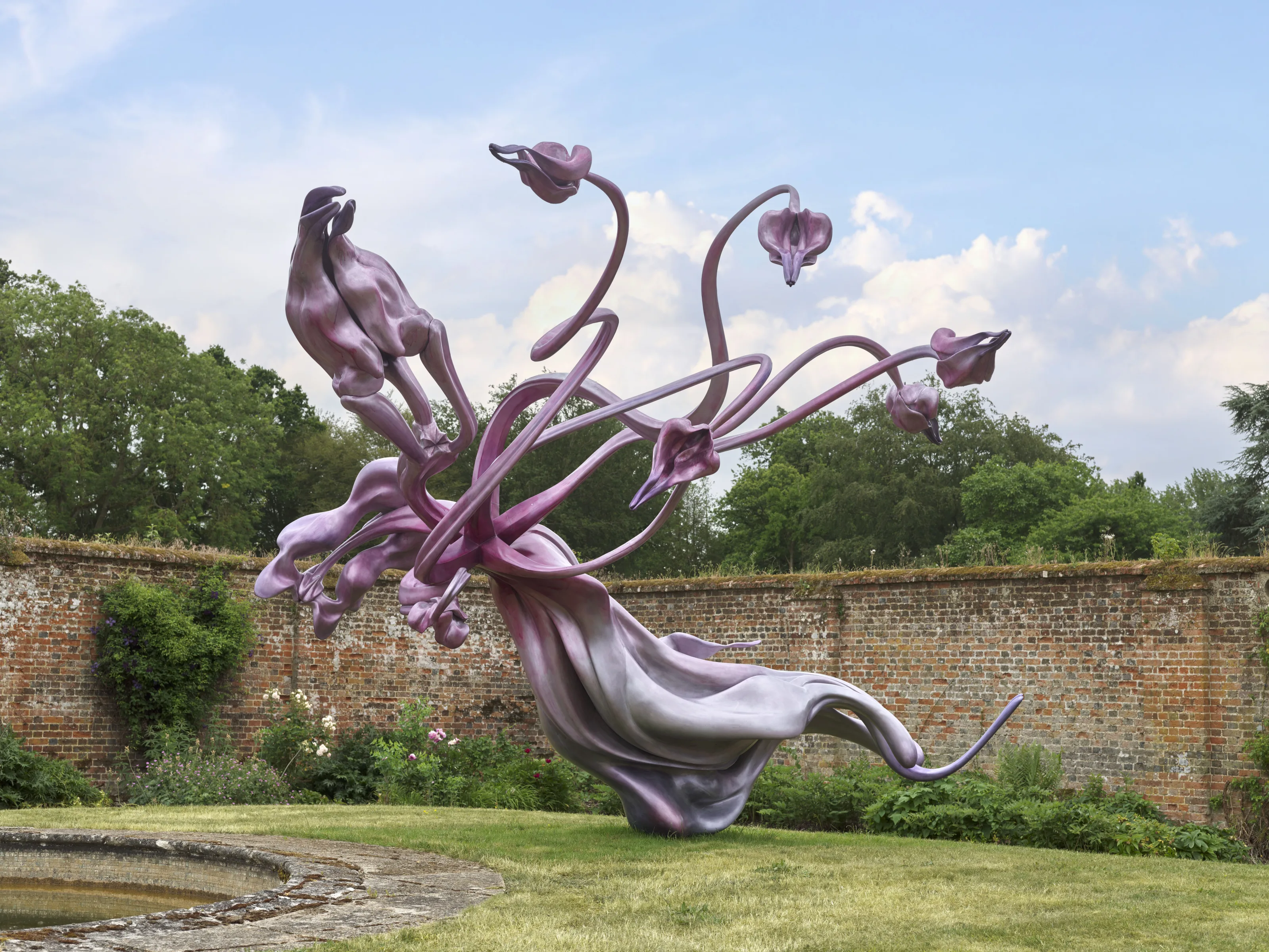
The exhibition opens two gardens that are normally private to the public, including the Florence Nightingale Garden and the walled Pool Garden. How does your thinking shift when you're placing work outdoors versus within the highly decorated interiors?
The sculptures outside are more in dialogue with nature and landscape than with history and narrative, though there are certain moments of closer connection. For example, Marguerite Humeau’s “Rise”, based on the reproductive parts of the grape flower, sits opposite the Victorian glasshouse that contains a tightly trained, venerable grape vine, and expresses a liberated, ecstatic incarnation of the plant. Theaster Gates’ “Vessels”, based on the clay forms that traditionally mark boundaries or graves, stand where the second Earl had a graveyard disinterred in order to landscape his view.
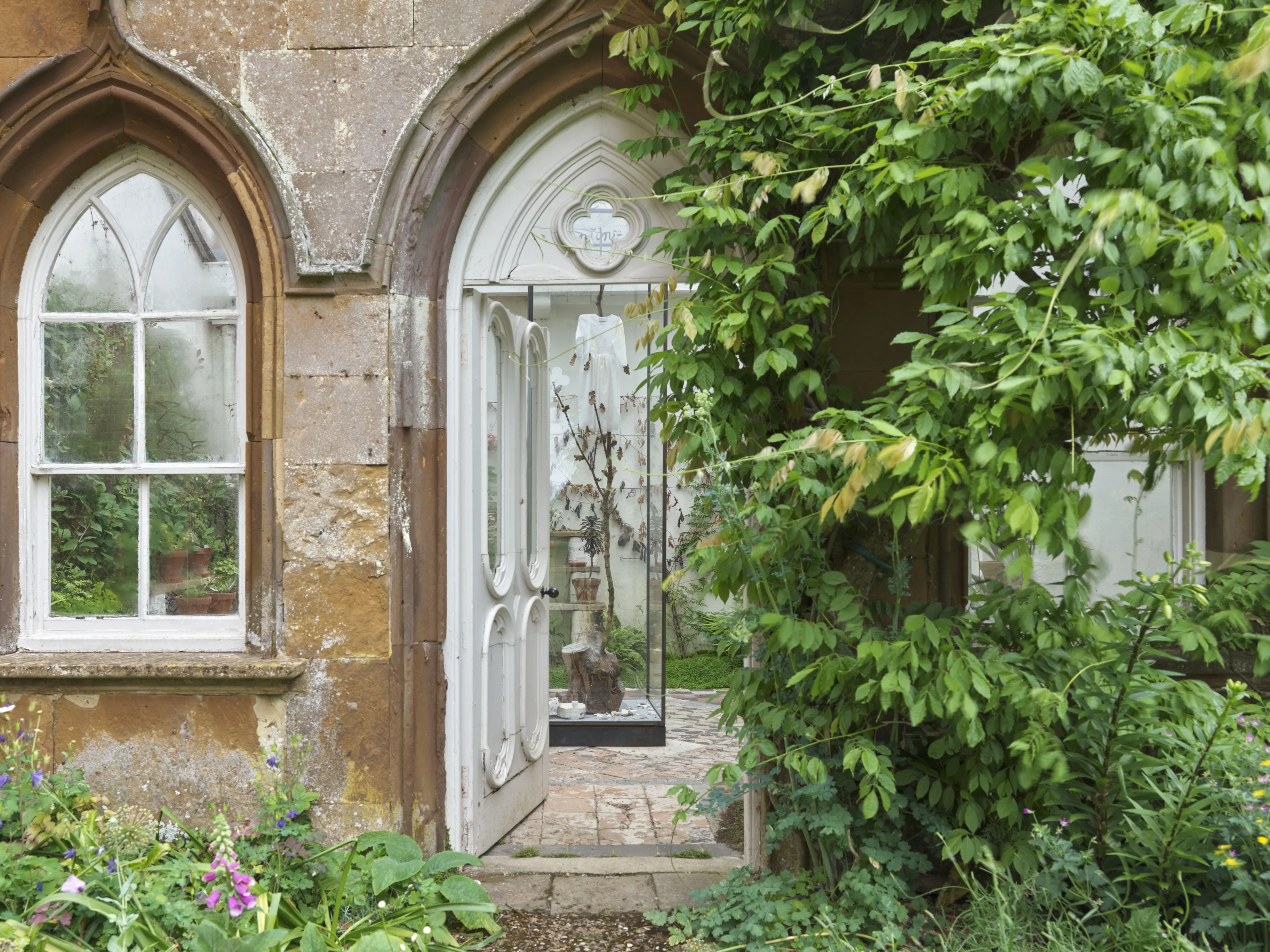
The show involves White Cube, the National Trust, and the Verney family, all with different stakes in how Claydon is represented. What were the most meaningful conversations in that three-way collaboration?
Throughout our programming at White Cube, we strive to make the contemporary historic and the historic contemporary, and a collaboration with the National Trust aligns perfectly with this. A further key point throughout our conversations with both the National Trust team and the Verney family was that this is an opportunity to bring in new audiences to Claydon. The exhibition introduces visitors to contemporary artists they might be unfamiliar with, whilst also inspiring them to appreciate the unique beauty of Claydon’s setting. The crucial conversation was with Tanya Brittain, who manages Claydon alongside a portfolio of other properties in country for the National Trust. Her enthusiasm and openness towards our proposal really got the collaboration going. That spirit of collaboration has held across the wider organisation of the National Trust and with the Verney Family, and has made the whole experience an incredibly enjoyable and rewarding one!
“White Cube at Claydon” is open daily until 14 September 2026 at Claydon House, Buckinghamshire. Admission is £12 for adults, with free entry for National Trust members. For tickets and visitor information, click here.
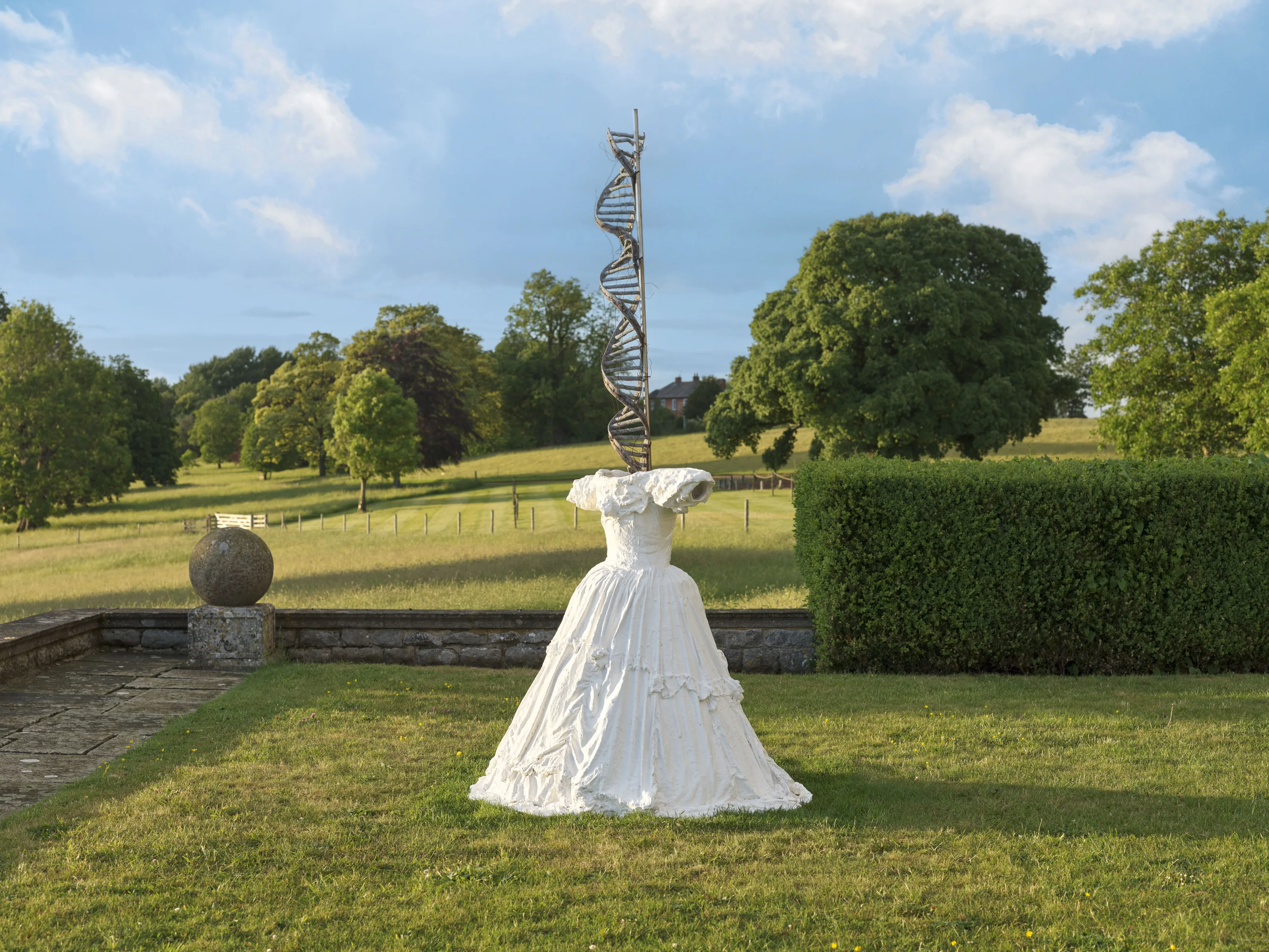
Image Credits:
Tunji Adeniyi-Jones, David Altmejd, El Anatsui, Cai Guo-Qiang, Julie Curtiss, Enrico David, Tracey Emin, Cerith Wyn Evans, Theaster Gates, Antony Gormley, Mona Hatoum, Marguerite Humeau, Richard Hunt, Anselm Kiefer, Rachel Kneebone, Isamu Noguchi, Minoru Nomata, Gabriel Orozco, Virginia Overton, Cinga Samson, Raqib Shaw, TARWUK, Danh Vo, Jeff Wall ‘White Cube at Claydon House’, Buckinghamshire, UK 6 June - 14 September 2026
© Tunji Adeniyi-Jones, © David Altmejd, © El Anatsui, © Cai Guo-Qiang, © Julie Curtiss, © Enrico David, © Tracey Emin. All rights reserved, DACS 2026, © Cerith Wyn Evans, © Theaster Gates, © Antony Gormley, © Mona Hatoum, © Marguerite Humeau, © 2026 The Richard Hunt Estate / Artists Rights Society (ARS), New York, © Anselm Kiefer, © Rachel Kneebone, © The Noguchi Museum / ARS, © Minoru Nomata, © Gabriel Orozco, © Virginia Overton, © Cinga Samson, © Raqib Shaw. All Rights Reserved, DACS 2026, © TARWUK, © Danh Vo, © Jeff Wall.