Cultivist Conversations with Surya Mathew
13 Aug 2026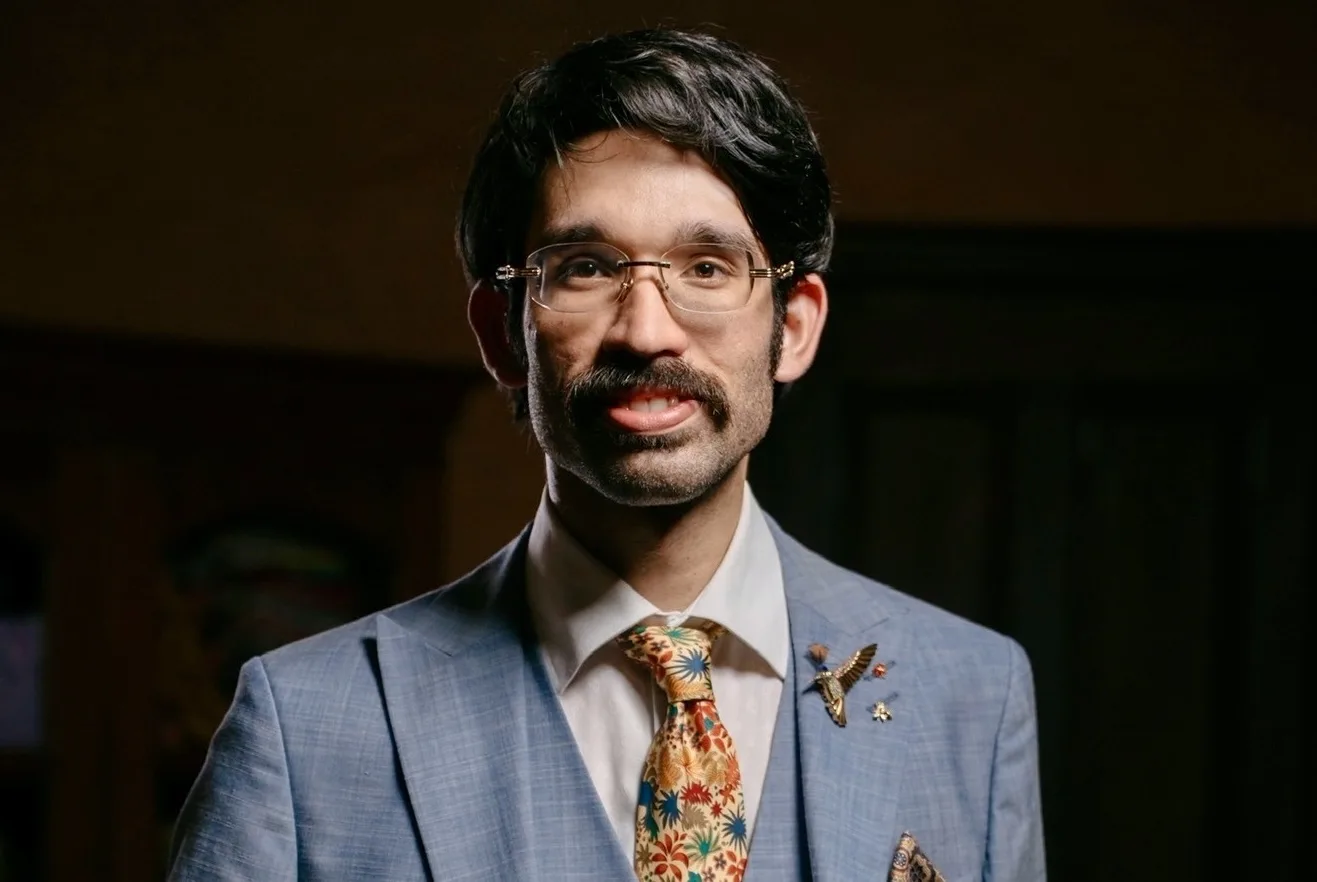
Born to a French mother and an Indian father, Surya's take on jewellery making pulls from two very different traditions and does something quietly radical with them. Melting, reshaping, and rebuilding pieces with previous lives, into something new. For him, a jewel isn't just an object, it's a vessel for emotion, memory, and healing.
Surya came up through Homo Faber's Young Ambassadors Programme, and this year, the Homo Faber Guide is putting his name and his atelier on the map for a much wider audience. We caught up with him ahead of the Biennial to talk about tradition, transformation, and what it means to hold someone else's story on the workbench.
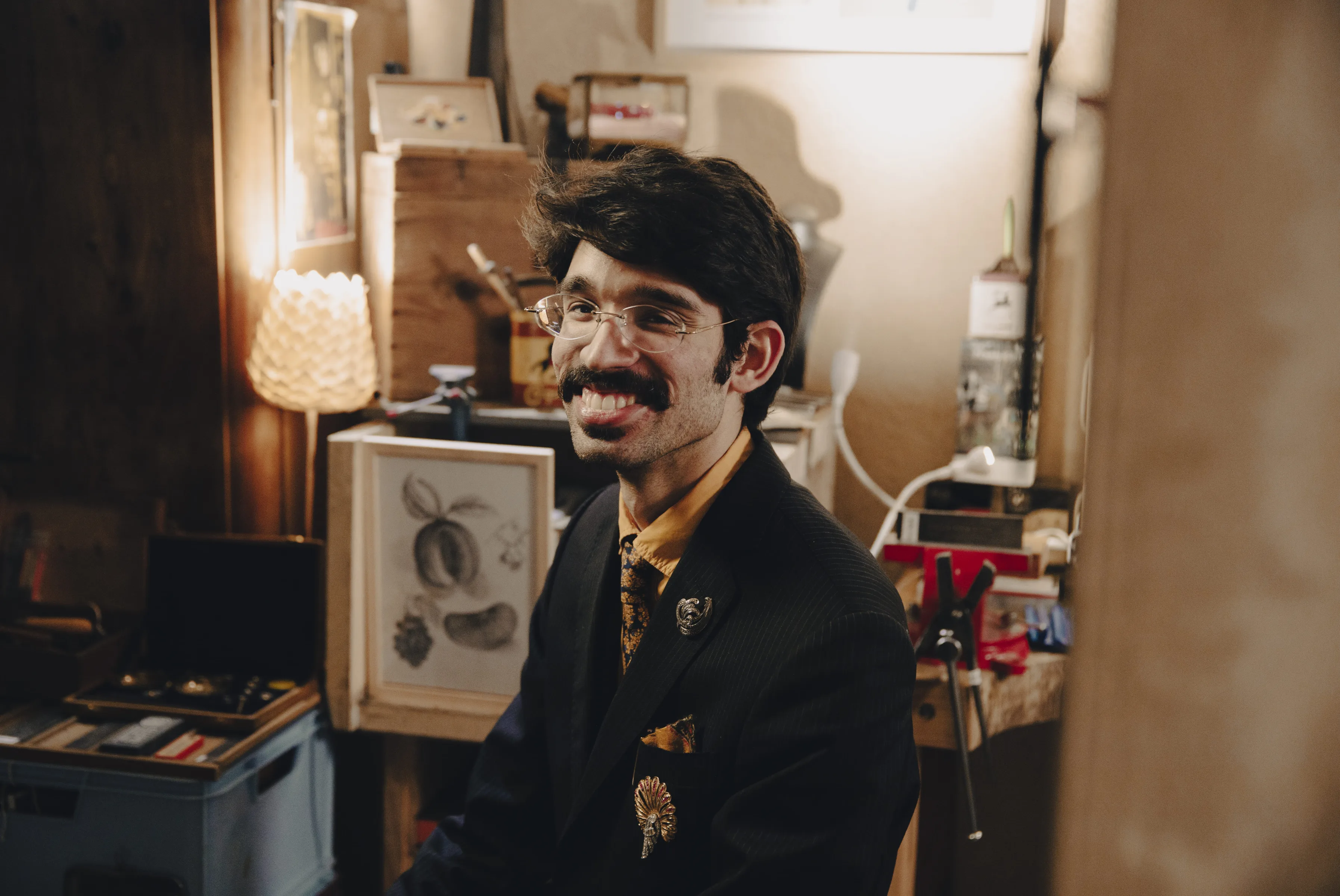
Surya Mathew, Artisan. Élodie Daguin ©Michelangelo Foundation Courtesy of Homo Faber
You started making jewellery at 10, working with your mother's textile swatches and embroidery before you ever touched metal. Looking back, what did that early start teach you that formal training never could?
I experienced genuine freedom of expression—a chance to express myself completely without boundaries. My parents granted me the incredible opportunity to explore my inner creativity. Being homeschooled was a true privilege; it gave me the daily space to dive into textile patchwork and beadwork at my mother’s workshop in India.
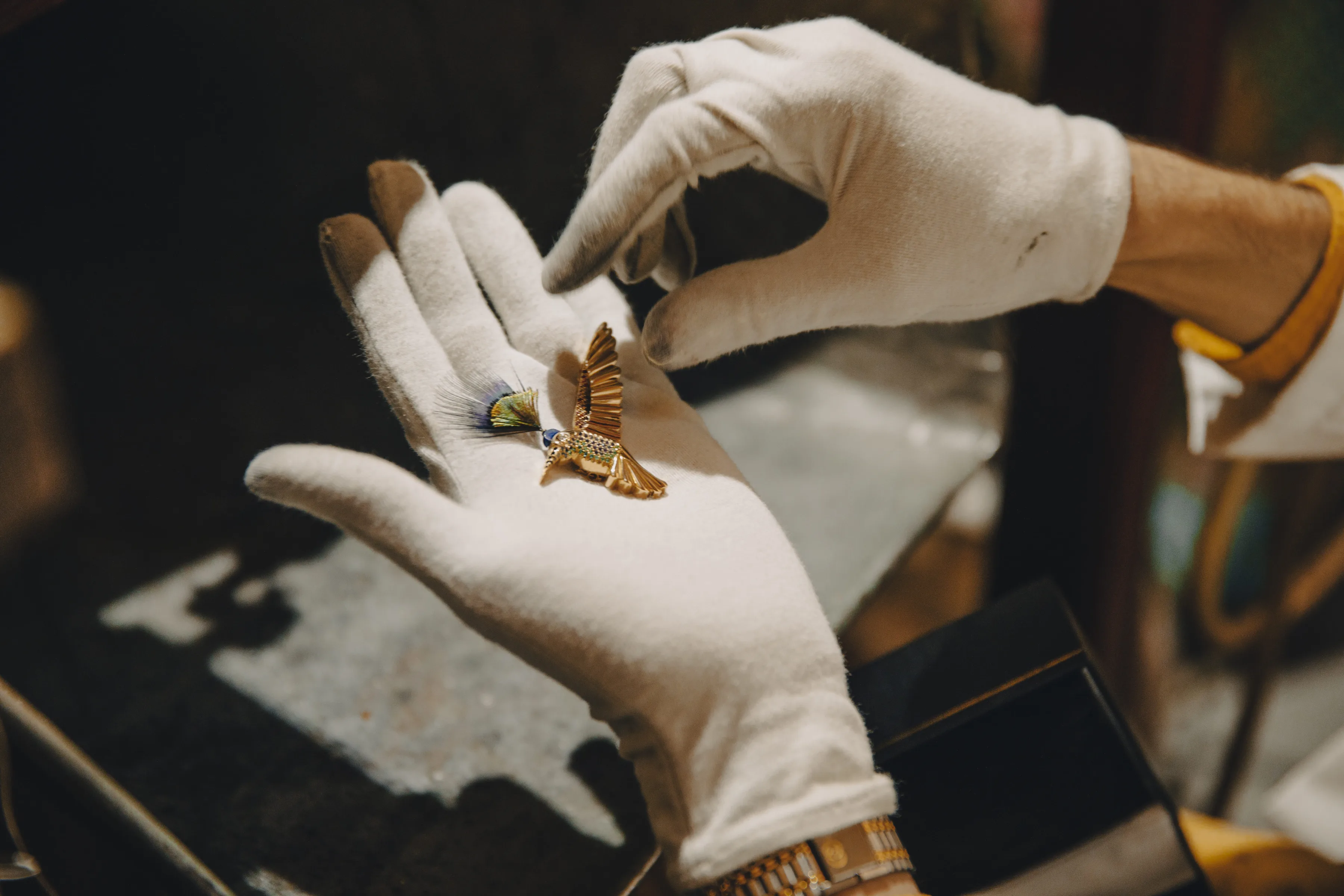
Surya Mathew, "Oiseaux de Paradise", Élodie Daguin ©Michelangelo Foundation Courtesy of Homo Faber
Your master in India broke a tradition to take you on, since the craft is usually passed strictly through family. What do you think he saw in you, and what's the weight of carrying on something that's supposed to move through a bloodline?
When we met for the first time, it was instant affection—a bond that transcended religion and traditional lineage. He saw my passion, devotion, humility, and discipline. Having lived in the Indian ecosystem for so long, upholding this tradition was familiar to me, but this immediate connection with my master and his art was the key to my success.
You've described your work as remelting metal and recovering old stones to give a piece new life. Walk us through what happens when a client hands you a piece that's tied to real grief or real love. How do you listen for what the jewel needs to become?
Even before a client hands over their jewelry and stones, I want to learn about who they are. A person's life journey is deeply important to me, and I pride myself on being a good listener. During our meeting, which can last for hours, the moment the client shows me their piece, I can instantly feel the emotional energy attached to it. From there, I visualize the perfect design—a unique creation made just for that special person. I then begin to sketch what I’ve envisioned. That is how a creation is born.
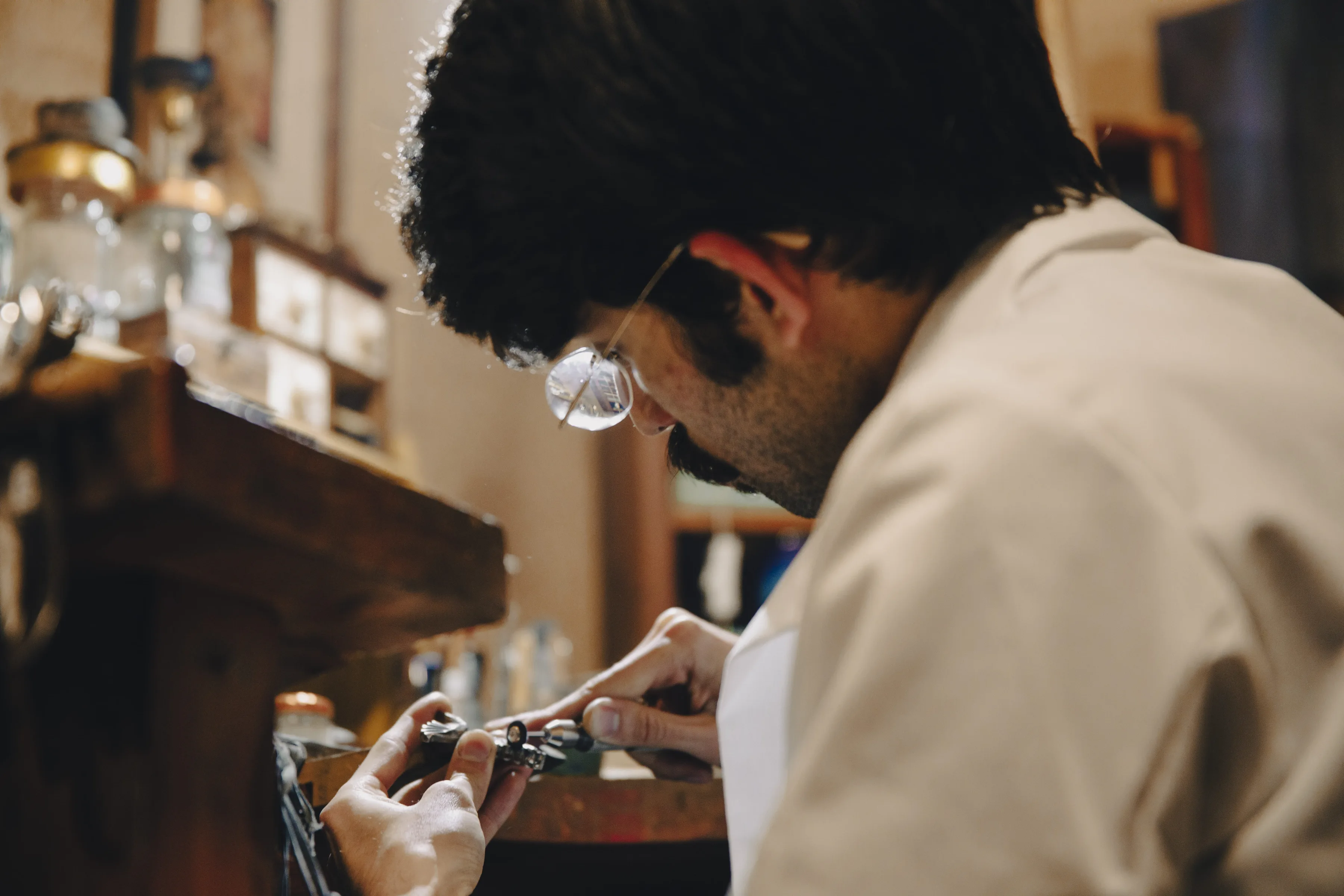
Surya Mathew, Artisan. Élodie Daguin ©Michelangelo Foundation Courtesy of Homo Faber
You worked inside the great houses of Place Vendôme before opening your own atelier. What's one thing that world taught you about excellence?
I learned the art of perfection—focusing on quality and the meticulous finishing of a high-jewelry piece of great value, no matter if it takes hours, days, or months to complete. I discovered that when creating high jewelry, it is essential to put your heart into it.
Birds, flowers, and bugs show up again and again in your pieces, with each having a particular spiritual connection being expressed through the forms and jewels. Is there one symbol you keep returning to that you haven't fully explained to an audience before? Or perhaps one you’re interested in implementing, but haven’t yet had the opportunity?
I have been deeply connected to nature since childhood. It is an endless source of inspiration, offering infinite ways to explore. When I observe birds or insects, I feel a sense of mutual communication—especially when I look into their eyes. It feels as though we share a common language and are naturally drawn to each other. One of my greatest dreams is to one day create a crown inspired by this natural world—the very themes I loved observing and sketching as a child.
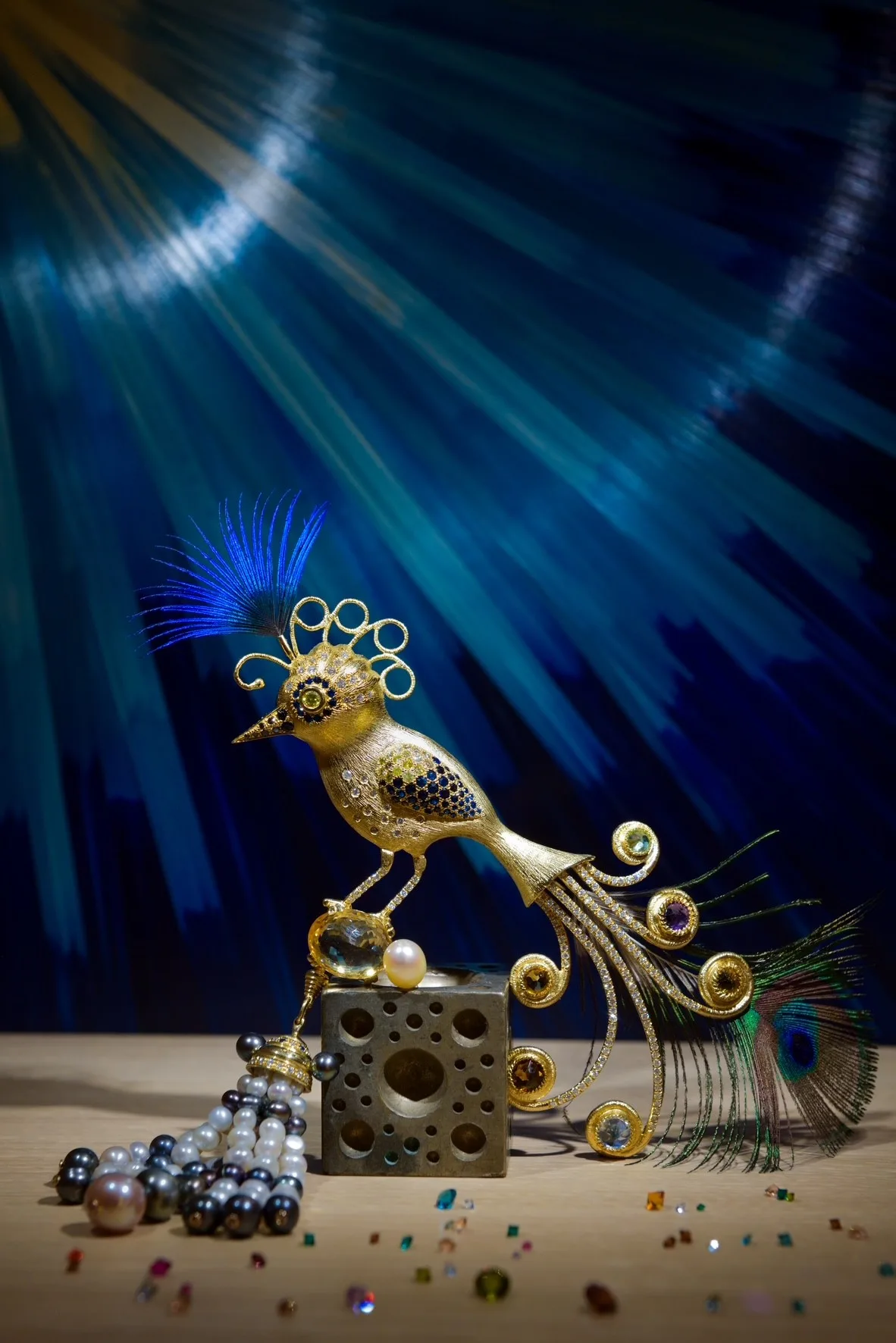
"Oiseaux de Paradise" Surya Mathew - Artisan ©All rights reserved
You made a film about India's last remaining jewellers, a craft you've described as “disappearing”. What did you see through that lens that changed how you think about your own hands and your own workshop?
The spiritual tradition of jewelry making is entirely done by hand. In today’s fast-paced world, we are losing these vital practices. Ancient Indian jewelry often centered on themes of gods and goddesses. Today, in my Parisian workshop, I uphold the traditions and values my master passed down to me—traditions that must not disappear. For example, every day before I begin work, I perform a traditional ritual of prayer, which is deeply important in our jewelry community. I share these ancient customs with my team, and in my contemporary designs, I incorporate traditional Indian symbols that give each creation a unique, soulful touch.
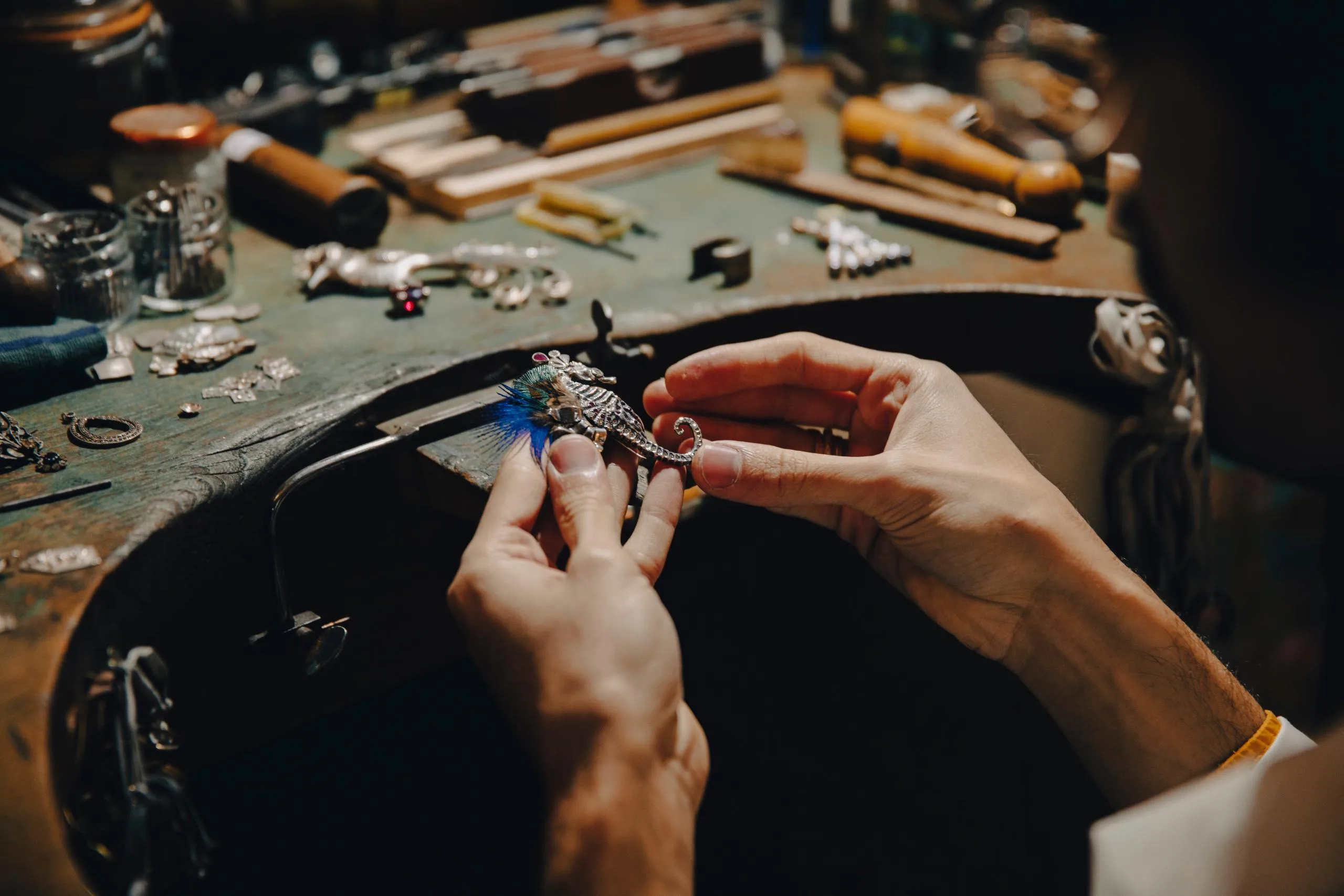
Surya Mathew, Artisan. Élodie Daguin ©Michelangelo Foundation Courtesy of Homo Faber
Long before the Homo Faber Guide profiled you, you came up through the Young Ambassadors Programme. What's different about how you see the craft world now versus when you were in that role?
I was so happy and excited when I first went to Venice as a Young Ambassador for the premier edition of Homo Faber. It was a wonderful opportunity to discover the diverse ways objects are created across Europe. In the editions that followed, I had the chance to see masterworks and artisans from all over the world, which reaffirmed my belief that craftsmanship is a powerful way to connect people. I feel the standard of artwork has truly reached a new level. Homo Faber continues to be an incredible source of inspiration, helping me push forward with my own creative projects and the showcasing of my maison in Paris.
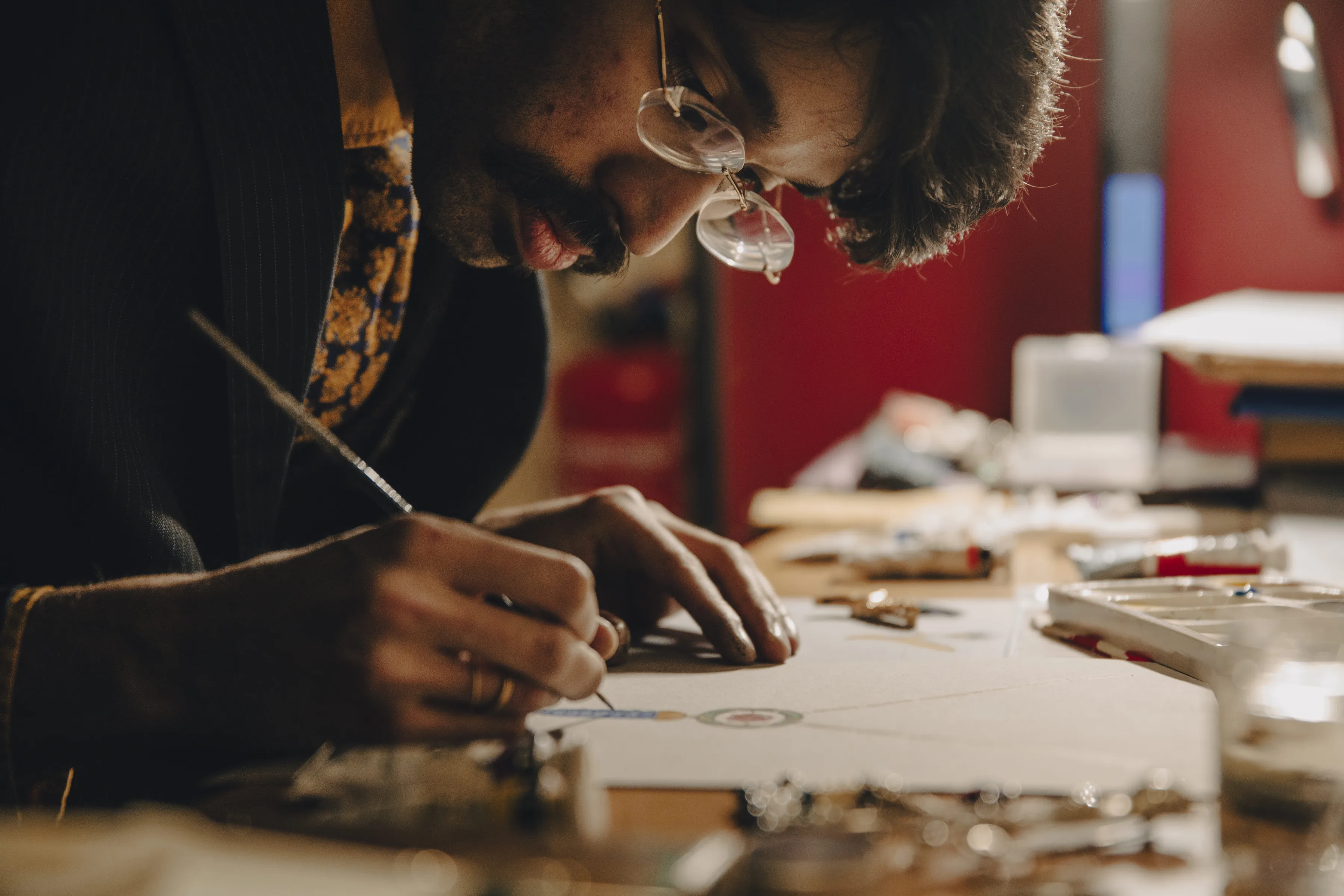
Surya Mathew, Artisan. Élodie Daguin ©Michelangelo Foundation Courtesy of Homo Faber
If someone walked into your atelier knowing nothing about jewellery, what's the one thing about this craft you'd want them to feel, not just learn, before they left?
There is something unique in a piece created by hand: love. The artisan pours everything into it, and the person who wears it can truly feel that energy. This is the message I share with anyone who enters my workshop. Above all, I want my creations to transmit this profound feeling of love.
Homo Faber is a craftsmanship biennial running 1-30 September, 2026, and is presented by the Michelangelo Foundation at Venice’s Fondazione Giorgio Cini, celebrating master artisans across jewelry, textiles, woodworking, glassmaking, and more.
Surya’s workshop sits at 60 rue Greneta in Paris’s 2nd arrondissement, open by appointment only, and offers a private two-hour atelier visit and works in French, English, and Tamil.