Cultivist Conversations with Katy Hessel
3 Oct 2026
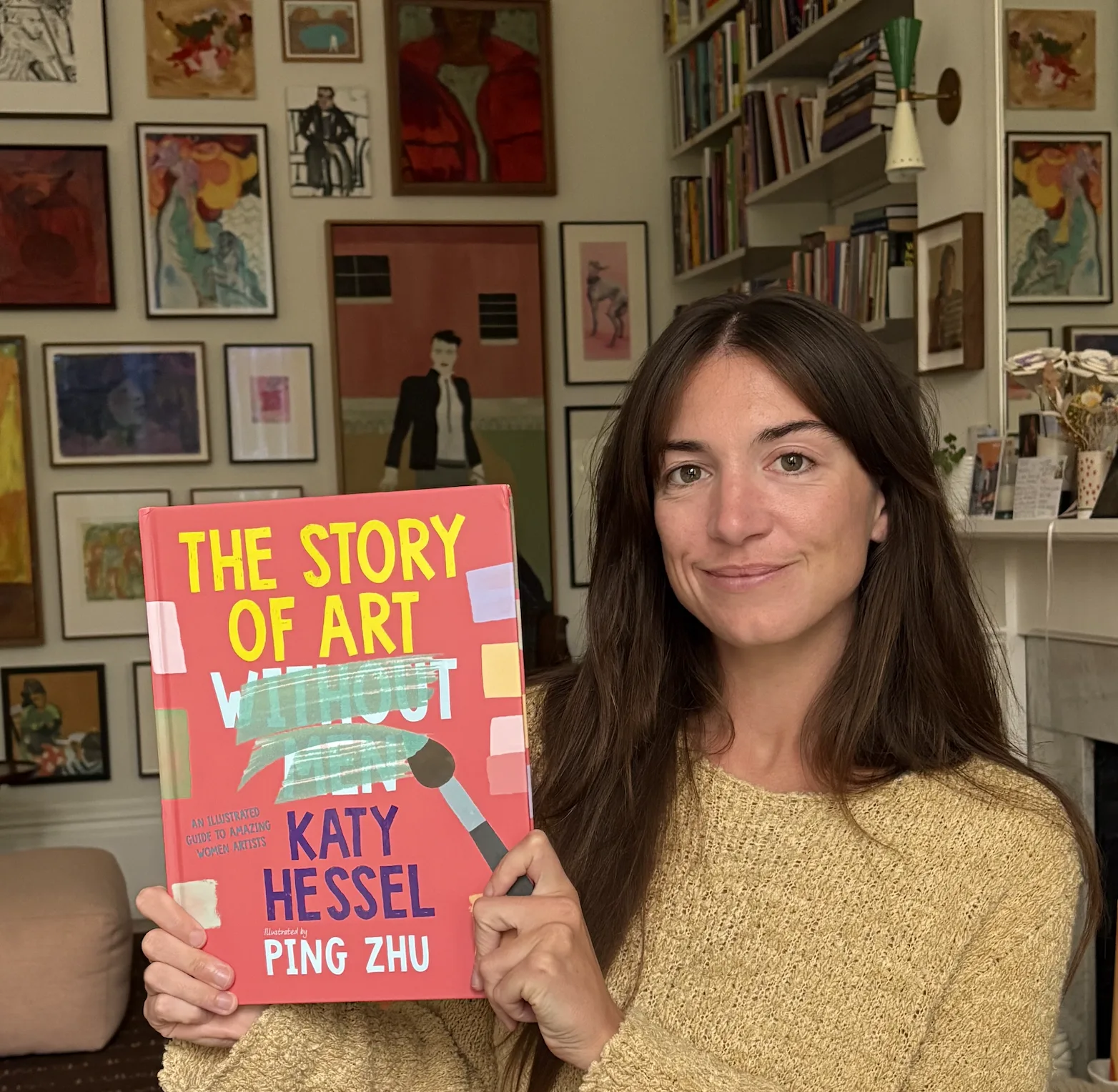
How many women artists can you name? It's the question that has driven Katy Hessel's work, from her Instagram and The Great Women Artists Podcast to The Story of Art Without Men, the 2022 bestseller that won Waterstones Book of the Year. Now she's written it for a new generation. The Story of Art Without Men: An Illustrated Guide to Amazing Women Artists, with illustrations by New York-based artist Ping Zhu, arrives in the US on 6 October from W. W. Norton.
Ahead of her family book talk at the Guggenheim, we sat down with Katy to discuss new chapters, "Art Tasks" within the book, and her favorite spots in New York City to see art made by women.
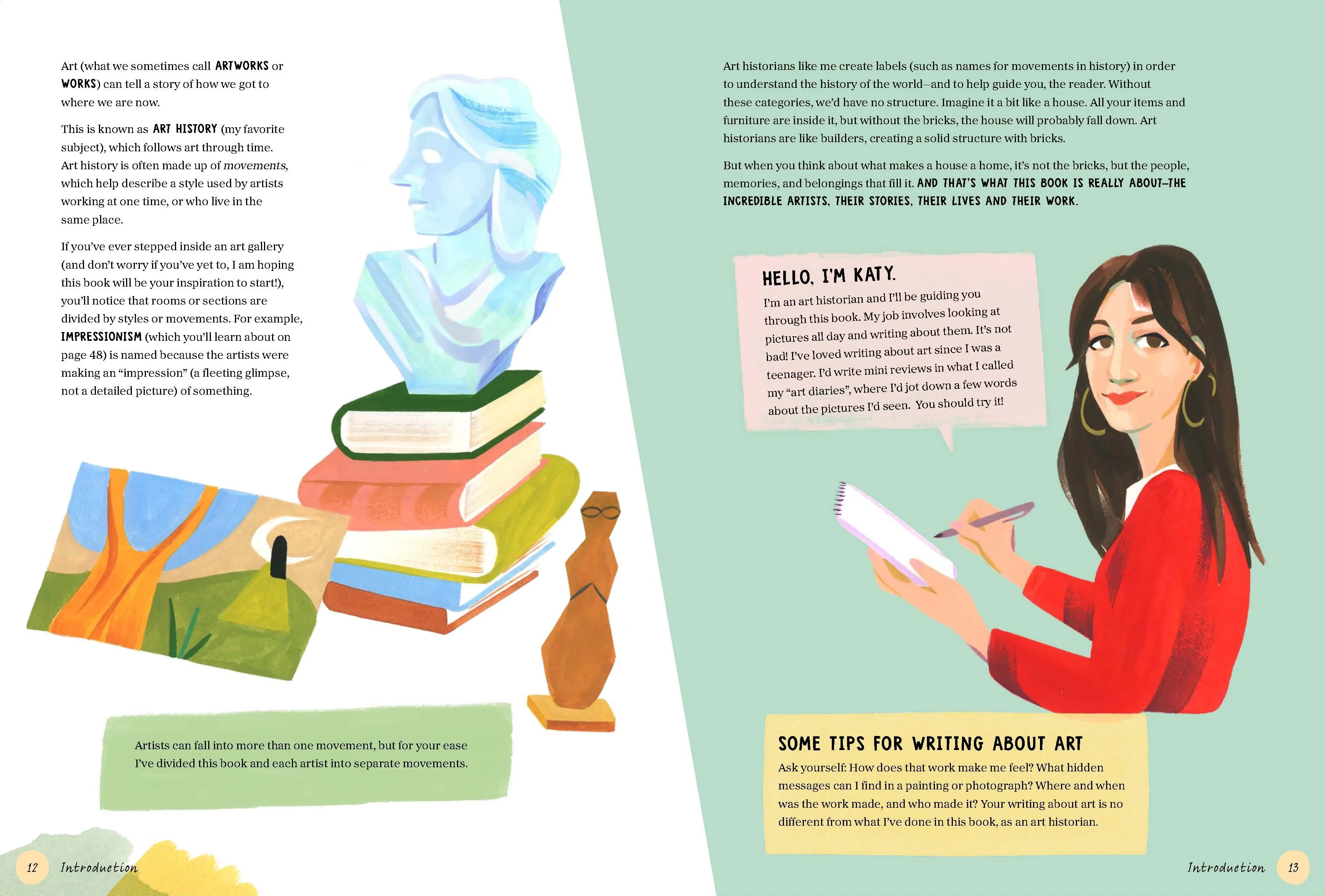
Introduction Pages from Story of Art Without Men, courtesy of W. W. Norton
The original book runs from the Renaissance to today. When you condensed it for younger readers, who was the hardest artist to cut, and what made someone essential?
I kept the time span, so the book still begins with the Renaissance. This comes after my introduction, which I call the "art historian's toolbox!" – full of prompts of what to ask when in front of an artwork.
Due to the length of books for younger readers, it was difficult to keep all the amazing artists. I cut Hilma af Klint and Rosa Bonheur – which feels like a crime! However, there are so many incredible artists featured, from Artemisia Gentileschi to 19th century photographer, Julia Margaret Cameron; Augusta Savage to the women of Abstract Expressionism; there’s a spotlight on textiles, Guerrilla Girls, Julie Mehretu and Sarah Sze, and more.
Plus, I was able to add new chapters, like the dazzling world of the First Nations artists in Australia, which I hadn't witnessed in person until publishing the adult book.
What pushed you to convert the original book into a format for younger readers?
My work is all about including as many people in the conversation about art. I began my career on Instagram, then podcasts and books. So, it was a natural next step. After all, when you get them young they can love it for life!
The mission of the book, in addition to spotlighting women artists, is to give kids the agency to call out that if they see something that’s missing in the world, to do something about it, however big or small.
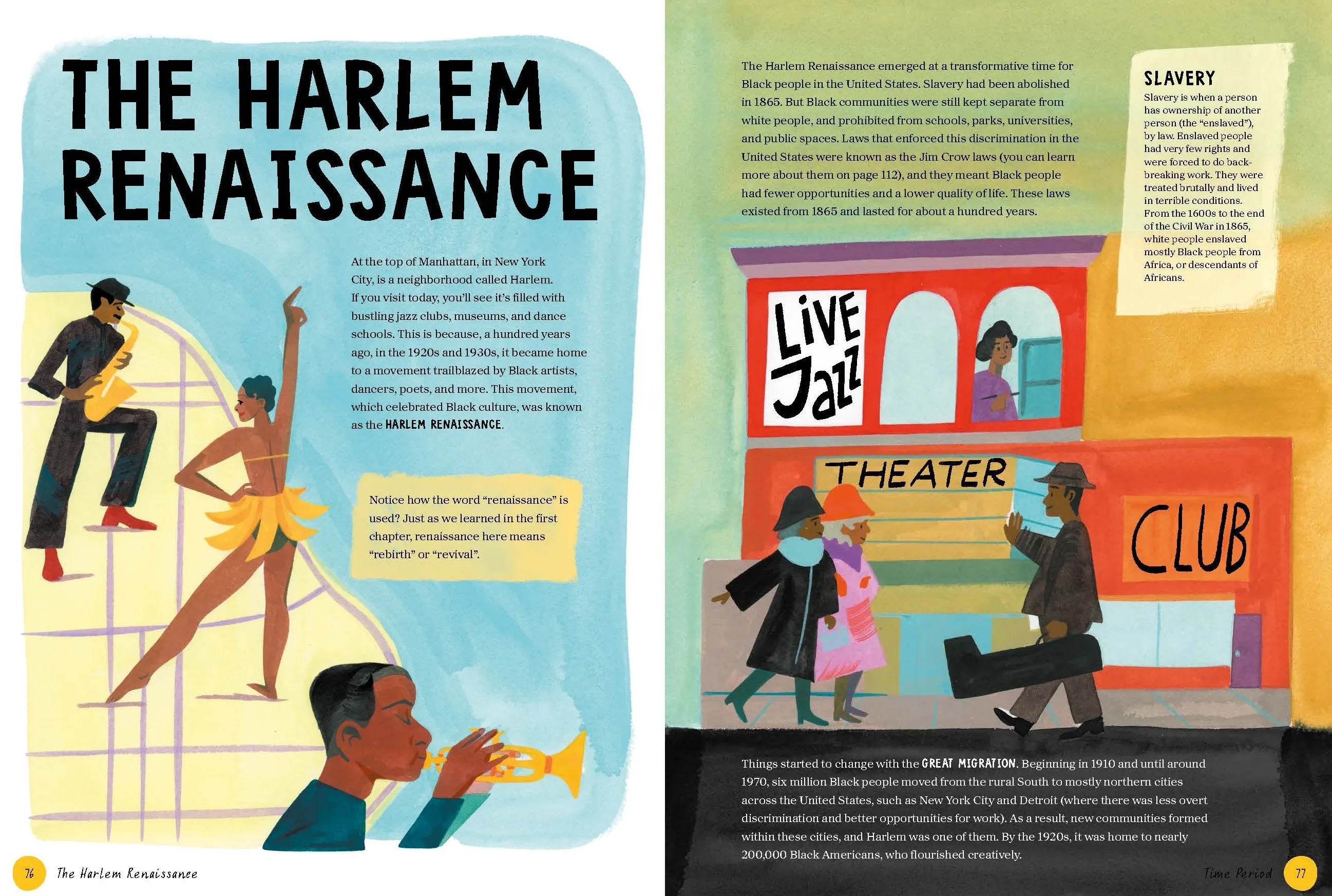
The Harlem Renaissance Pages from Story of Art Without Men, courtesy of W. W. Norton
When did you meet Ping Zhu and decide to start working together? And what was the workflow like? Did you send her specific works to respond to, or give her room to interpret?
Amazingly, it was through my publishers. I am so lucky! As the author, you don't deal directly with the illustrator. But it was fate. Ping took the brief and worked so beautifully: I love the idea of artists actually recreating artists' works and styles through illustration. My favourite illustrations include the stormy weather with lightning for the Baroque (as I explain to my reader, this dramatic style of art was like horror movies, but 400 years ago!). There's also a beautiful moment where she captures the world of Surrealism against a starry night's sky in Paris. Or, a young Yoko Ono, dreaming up her artworks on a bed of flowers. Here's an interview I did with Ping to learn more.
The book includes "Art Tasks" for readers to try. Where did that idea come from, and which one do you most hope kids actually do at home?
It's all about showing kids that it's possible to be an artist – and how to go about being one. I often grew up with the idea that an artist was 'over there', but later I realised that's not the case at all. We can all make and create in all sorts of ways. The “Art Tasks” are a way to include them in the artists' thoughts. As well as trying to make relevant to their lives artists' missions - so it doesn't feel 'far away'.
For example, I teach them about Artemisia Gentileschi painting herself as her hero, St Catherine of Alexandria. And ask, who would you draw your self portrait as? When I've done this task at schools, kids have drawn themselves as Lionel Messi or Taylor Swift. We even had a kid in a uniform with the Daft Punk helmets! It makes this artist 400 years ago somehow relevant (albeit with different heroes).
There's also an “Art Task” attached to Judy Chicago's Dinner Party, where I ask: who would you invite, and how would you honour them? Or, encouraging my young reader to make a Yoko Ono ‘Wish Tree’, which they can do with very cheap materials – despite dreaming of something very big – as well as encouraging their friends to do the same.
I hope this area of the book is useful for parents and teachers, alike!
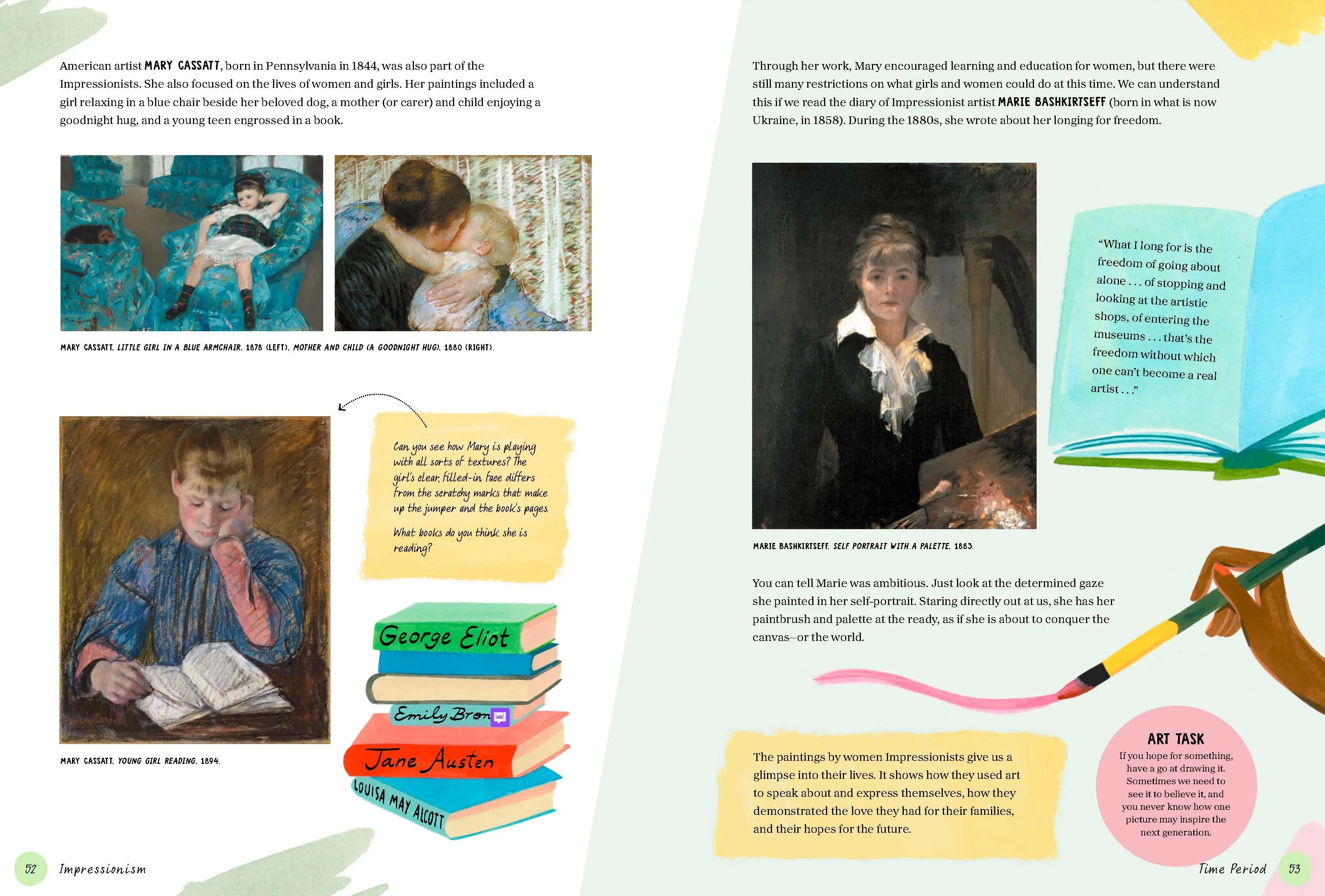
Impressionism Pages from Story of Art Without Men, courtesy of W. W. Norton
You've just come off a primary school tour across the UK. What did children notice or ask about that adult audiences never do?
They're so honest, brave and brilliant. Part of the interactive talk that I give asks kids, after explaining to them the types of art people have made: what would you do if you had some paints, pencils or clay to describe how you’re feeling? One 10 year old girl put up her hand in front of the whole school and said she'd make “a ceramic heart with a bandage around it” because “lots of things had been happening in my life”. That floored me.
Artists like Harriet Powers and Tarsila do Amaral bring in histories of slavery and colonialism. How do you tell those stories honestly to an eight-year-old without flattening them?
I was certain I didn't want to shy away from the important topics. I am straight to the point about historic events and power structures. Kids know when you're skirting around, and it wouldn't be faithful to them to do so. Kids are clever and to write for them is to get on the same level as them.
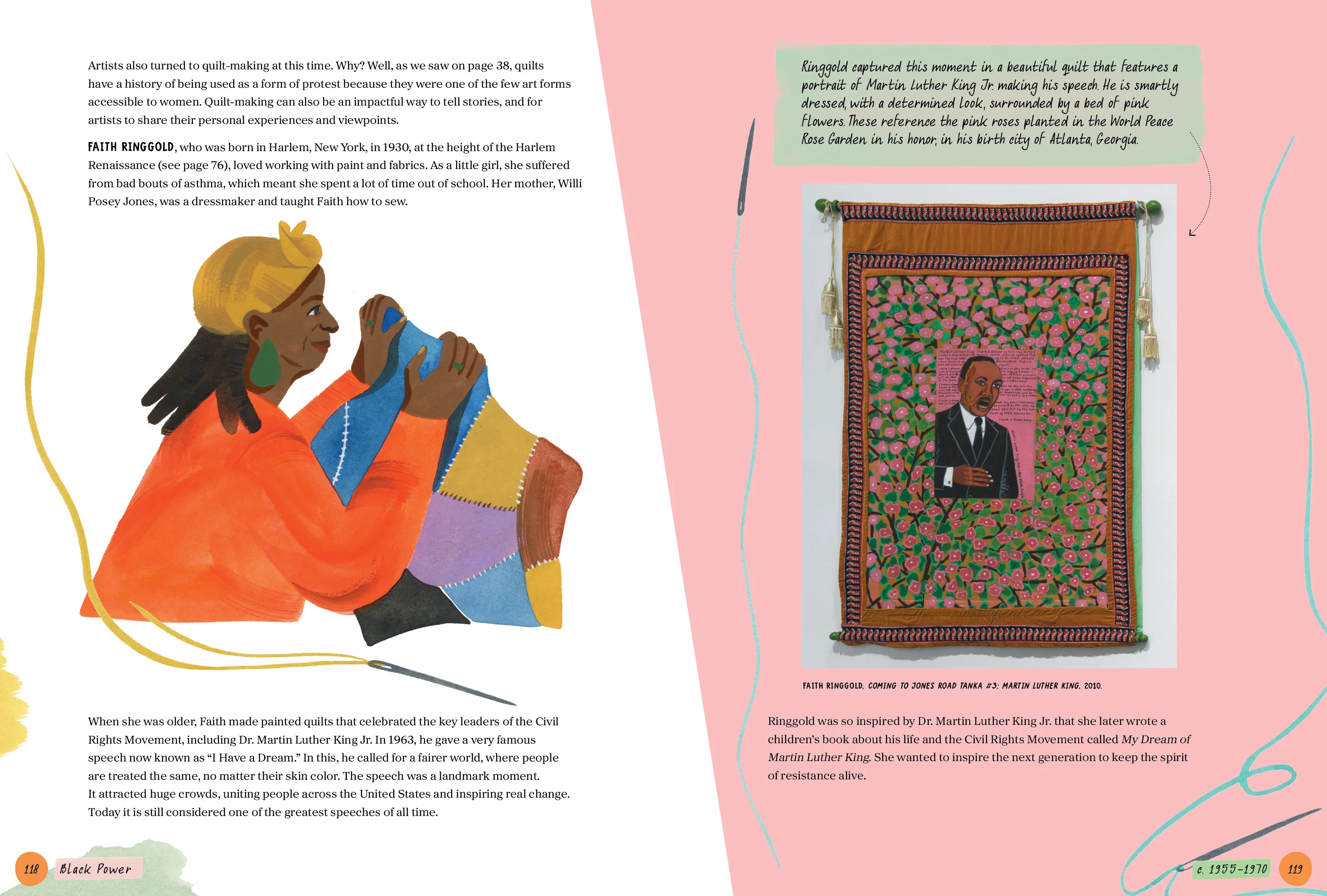
Black Power Pages from Story of Art Without Men, courtesy of W. W. Norton
Between the podcast, Museums Without Men, and now this book, you've spent years pushing institutions to look again at their collections. What has actually changed since 2022, and where is progress still slow?
One only needs to see the sprawling work of Lee Krasner side by side with her husband Jackson Pollock’s at The Met to see how far we’ve come! Since 2022, over in London, the Royal Academy of Arts has had two major solo exhibitions by women artists (Marina Abramovic and Rose Wylie), marking the first time women have ever had solo exhibitions in their main galleries (despite being open since 1768!). This summer marked an incredible moment when Frida Kahlo, Ana Mendieta and Tracey Emin were all showing at Tate Modern. The Women of the Rijkmuseum programme is catapulting into action. While progress is still slow – look up the brilliant work of the Burns Halperin report for more – I believe the right people are in charge, who are fighting for change: that only enriches art history, and expands the canon.
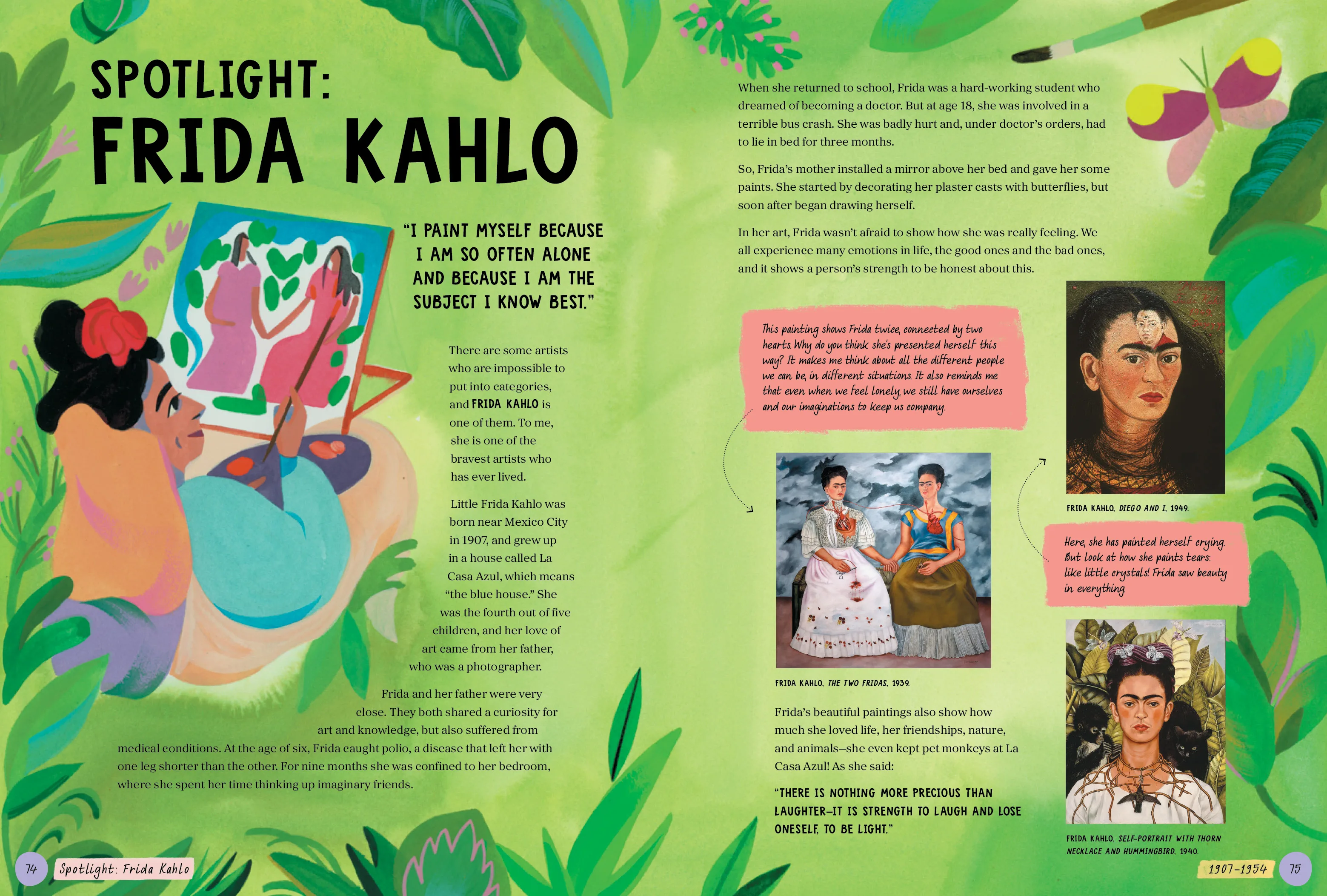
Spotlight: Frida Kahlo Pages from Story of Art Without Men, courtesy of W. W. Norton
A child finishes the book and wants to see one of these artists in person in New York. Where do you send them first?
To MoMA to see Frida Kahlo's self portrait or Leonora Carrington’s Surrealist worlds. But also the Met Opera to see their giant billboards for free: art history doesn’t just have to exist inside a museum. But – if they do enter a giant museum which I like to refer to as a giant treasure chest, why not play a game? Look for all the people wearing glasses; find all the cats; or someone wearing a red coat. There are endless ways to make it never, ever boring. And then go and have some cake!
The Story of Art Without Men: An Illustrated Guide to Amazing Women Artists is out 6 October from W. W. Norton. Katy will be at the McNally Jackson Seaport on Sunday 11 October at 12pm for an interactive family book talk. Bring the kids, and then, as Katy recommends, go and have some cake!
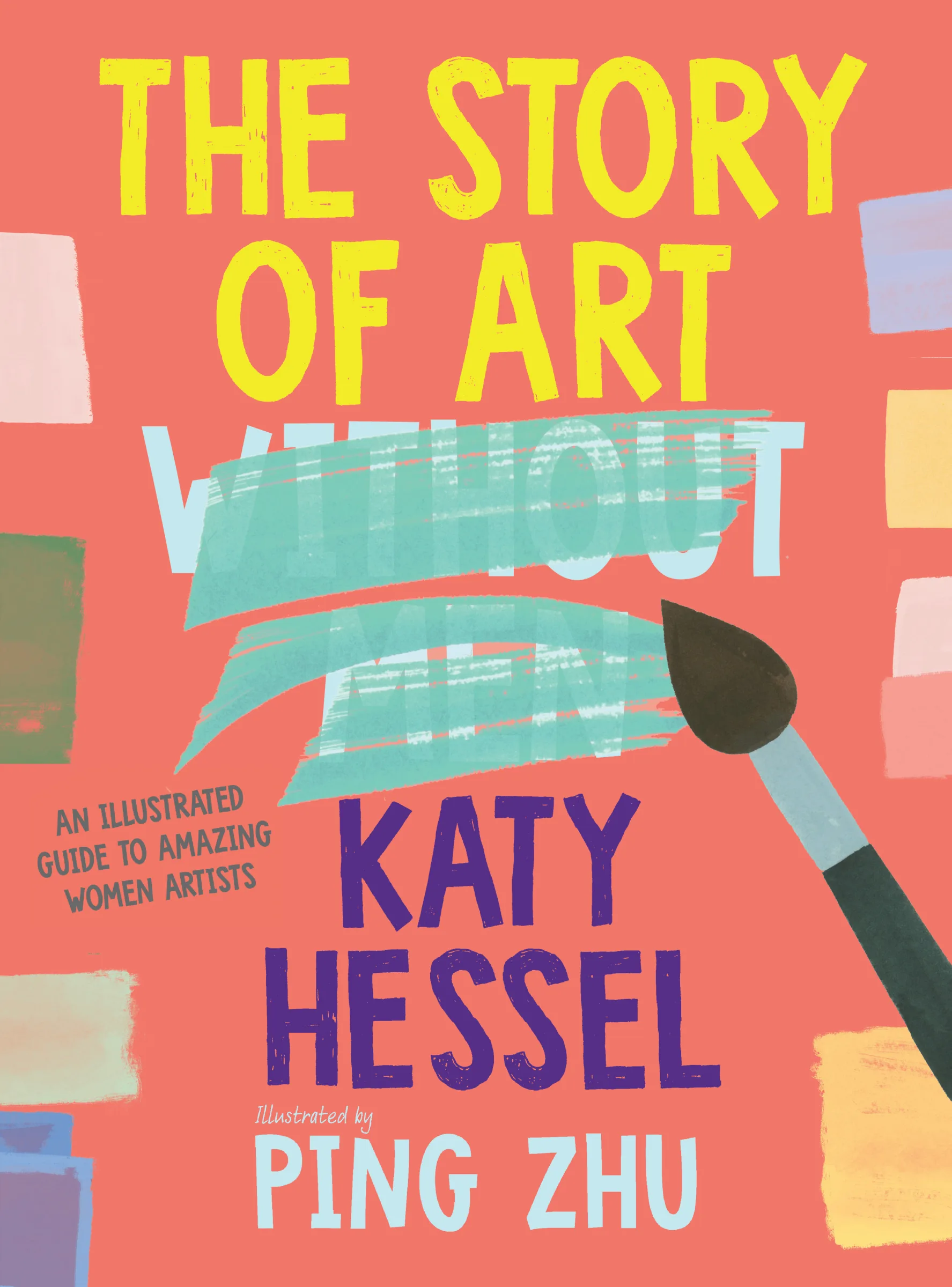
Cover for Story of Art Without Men: An Illustrated Guide to Amazing Women Artists courtesy of W. W. Norton