Cultivist Conversations with Dr. Madeleine Haddon
17 Apr 2026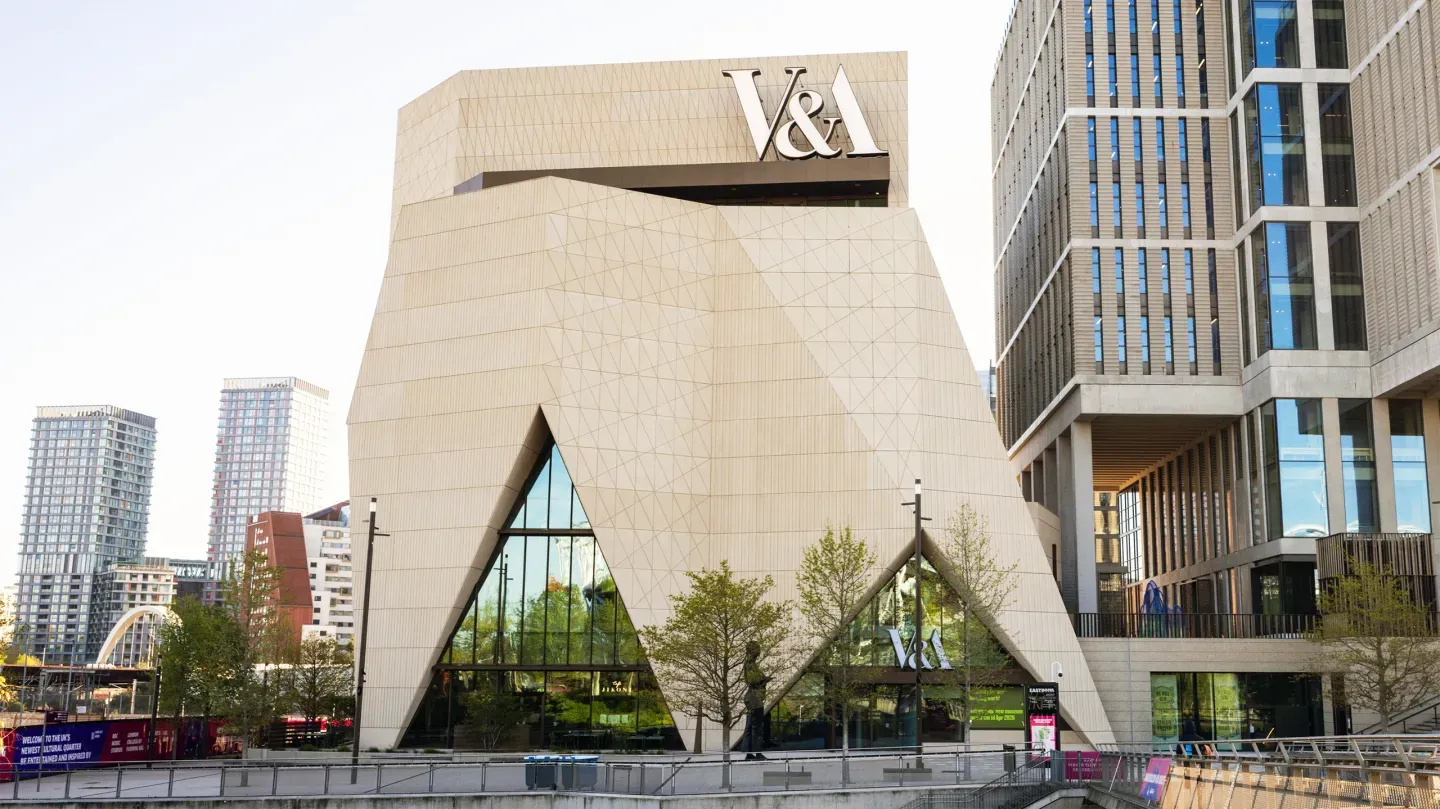
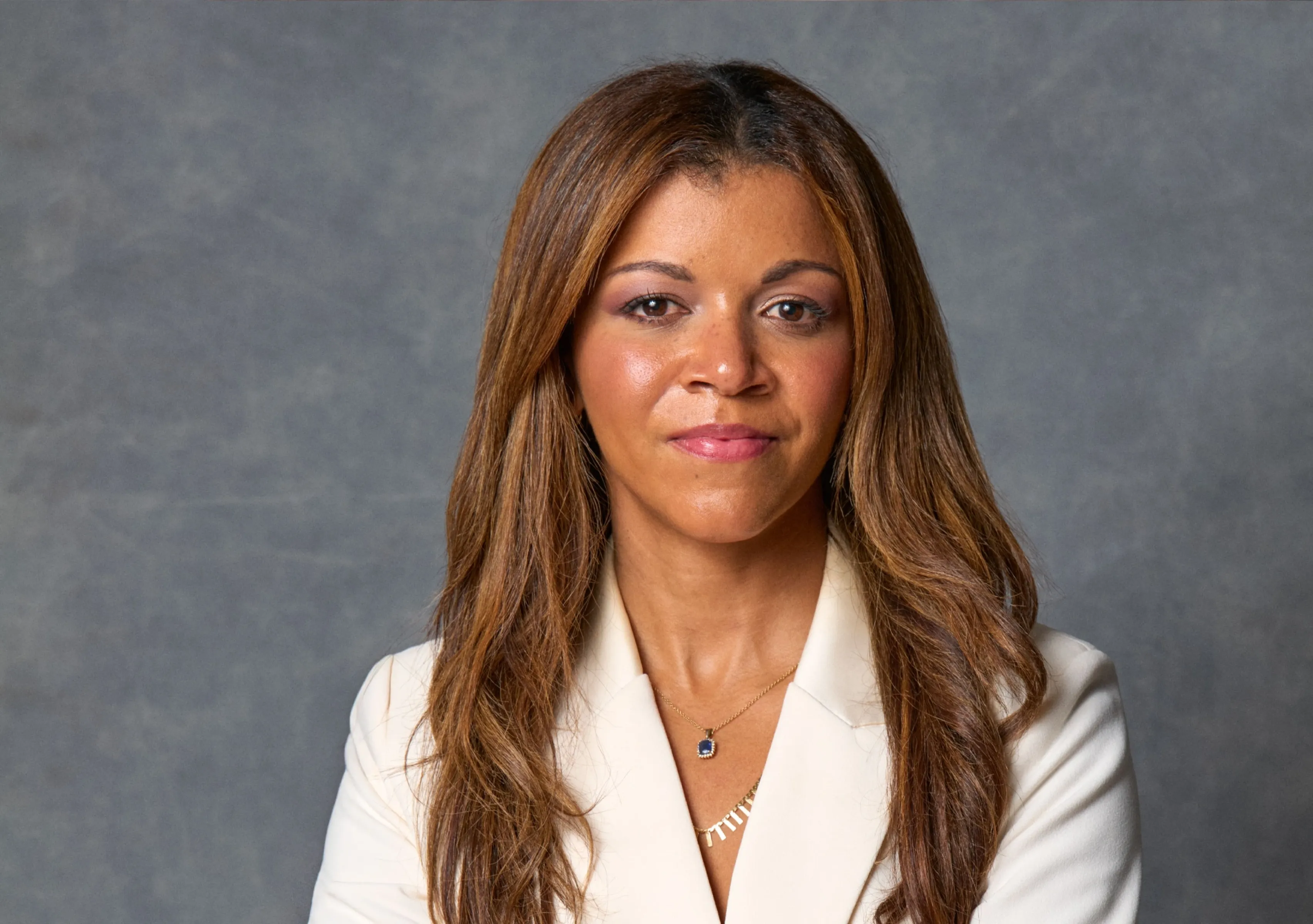
Dr. Madeleine Haddon, Photo by Mariano Vivanco
Snapshot: What is V&A East Museum and what makes it different?
Aspire to create a place at V&A East that is representative of society and where people feel their voices are heard. V&A East is dedicated to creativity and its power to bring change. Working directly with the voices shaping contemporary culture internationally, we aim to reimagine the V&A’s collection and archive, celebrating art and design in all its forms and opening up new possibilities for everyone. Our mission is to platform diverse, global narratives that address the urgent issues of our time and to champion radical visionaries of the past and present. I want our visitors to feel that the museum is a living and responsive place where their voices are heard and opinions matter.
Young people are at the heart of our vision and I want them to have a sense of agency. Many future changemakers lack easy access to museums and may not feel represented and welcome within their walls. It is our mission to change this. We are committed to providing greater access – particularly for those based in east London, a long-standing centre of artistic innovation – and offer a platform for underrepresented voices and practices. We believe museums can inspire the next generation of artists and thinkers, showing how creativity can offer solutions, shape futures, and foster connection in a fractured world.
V&A East Museum is the second site of the V&A East campus in East London, the sister site to V&A East Storehouse, and it represents a fundamental rethinking of what a museum can be. Rather than presenting art and design through traditional categories or chronologies, it brings together objects across time, geography, and discipline to explore the role of creativity in shaping our world today.
What makes it different is that it has been built from the ground up with audiences at its centre—particularly younger and more diverse audiences who may not traditionally feel that museums are for them. It’s not only about what we show, but how we show it: more open, more transparent, and more participatory. It’s a museum designed not just to display culture, but to invite people into an active relationship with it.
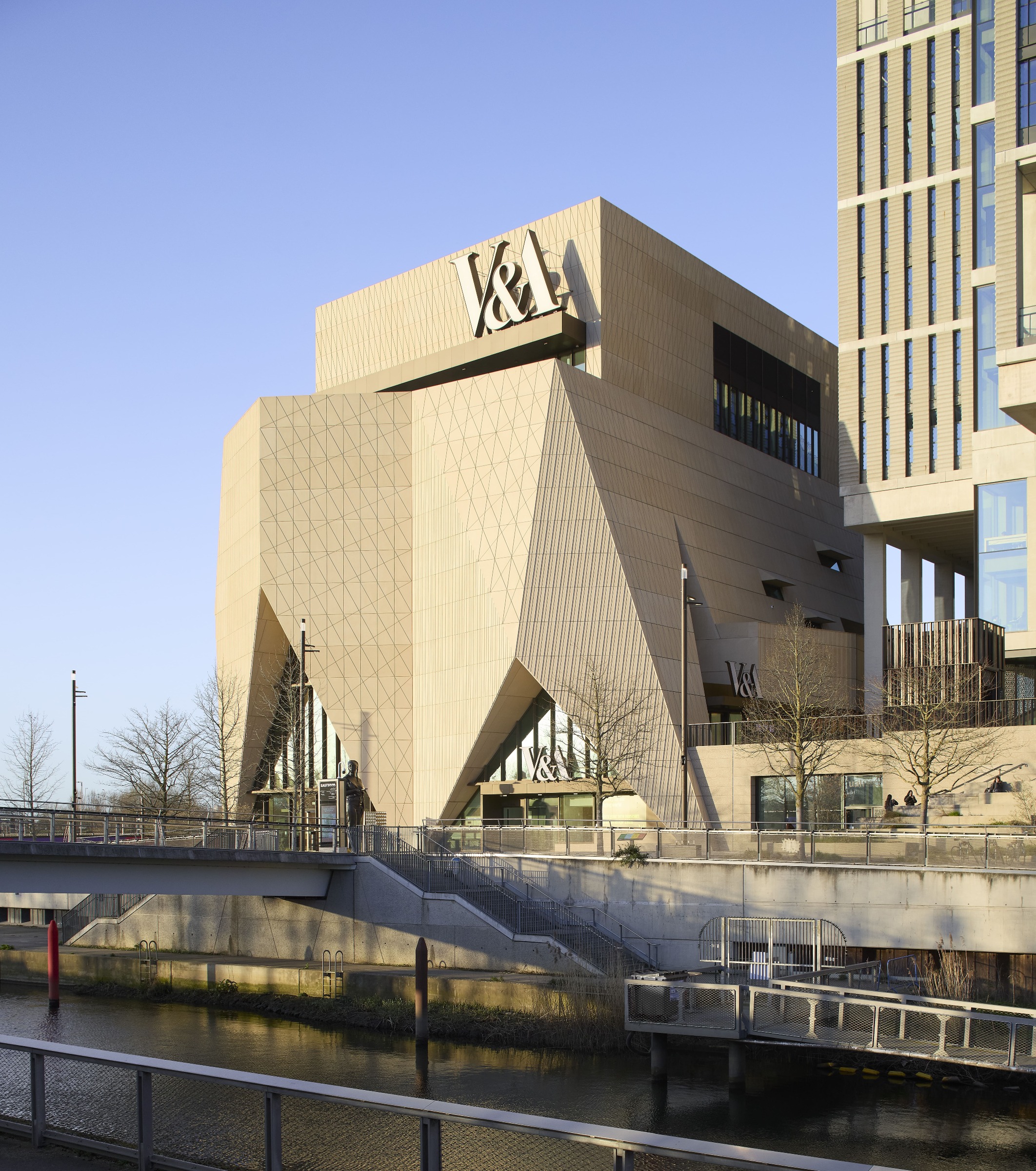
V&A East Museum © Hufton+Crow
“Why We Make” — collapsing centuries and disciplines
“Why We Make” is intentionally expansive as a framework. It moves away from organizing collections by period or geography, and instead focuses on a shared human impulse—the drive to create. By placing a Molly Goddard dress alongside a 16th-century self-portrait or works by Maud Sulter and Lubaina Himid, we’re asking visitors to think across time rather than within it.
The curatorial thinking is about creating unexpected connections that reveal continuity as well as difference. It allows us to explore how questions of identity, labour, expression, and power have motivated reasons for making and the evolution of art, design and creativity. Rather than presenting history as something fixed, it becomes a conversation—one that is dynamic, relational, and open to reinterpretation.
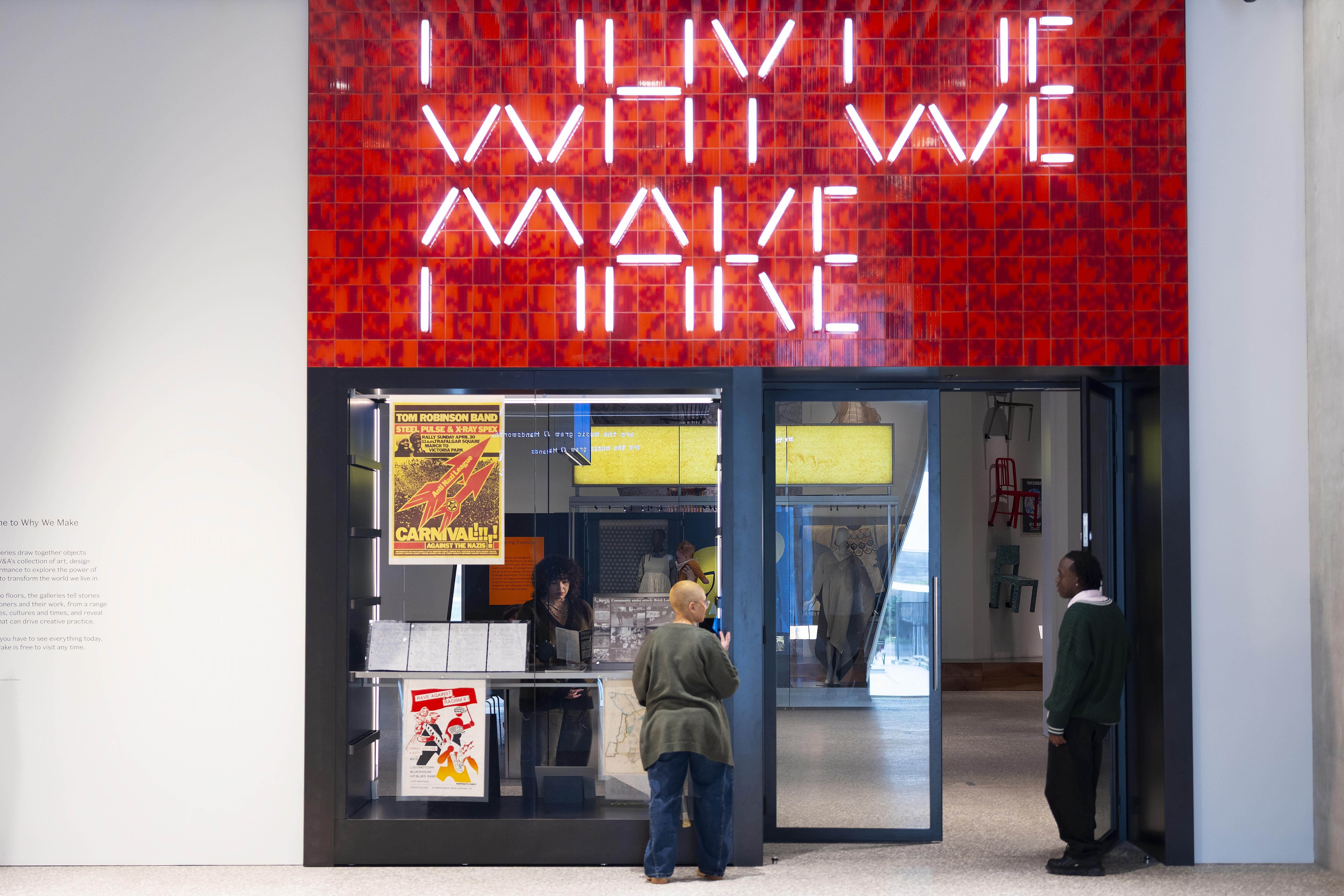
Inside V&A East Museum’s Why We Make galleries © David Parry for the V&A
“The Music is Black: A British Story” — why this opening exhibition?
Opening with The Music is Black is essential because it foregrounds a story that is foundational to British cultural life but has not always been fully recognised within institutional narratives. It traces 125 years of Black British music-making, but it’s also about influence, innovation, and cultural transmission across generations.
There’s a particular urgency to telling this story now, at a moment when questions of authorship, ownership, and recognition are so central to public discourse. It also reflects our broader commitment at V&A East to platform voices and histories that have shaped contemporary culture, and to do so in a way that is both rigorous and accessible, and to connect with younger audiences.
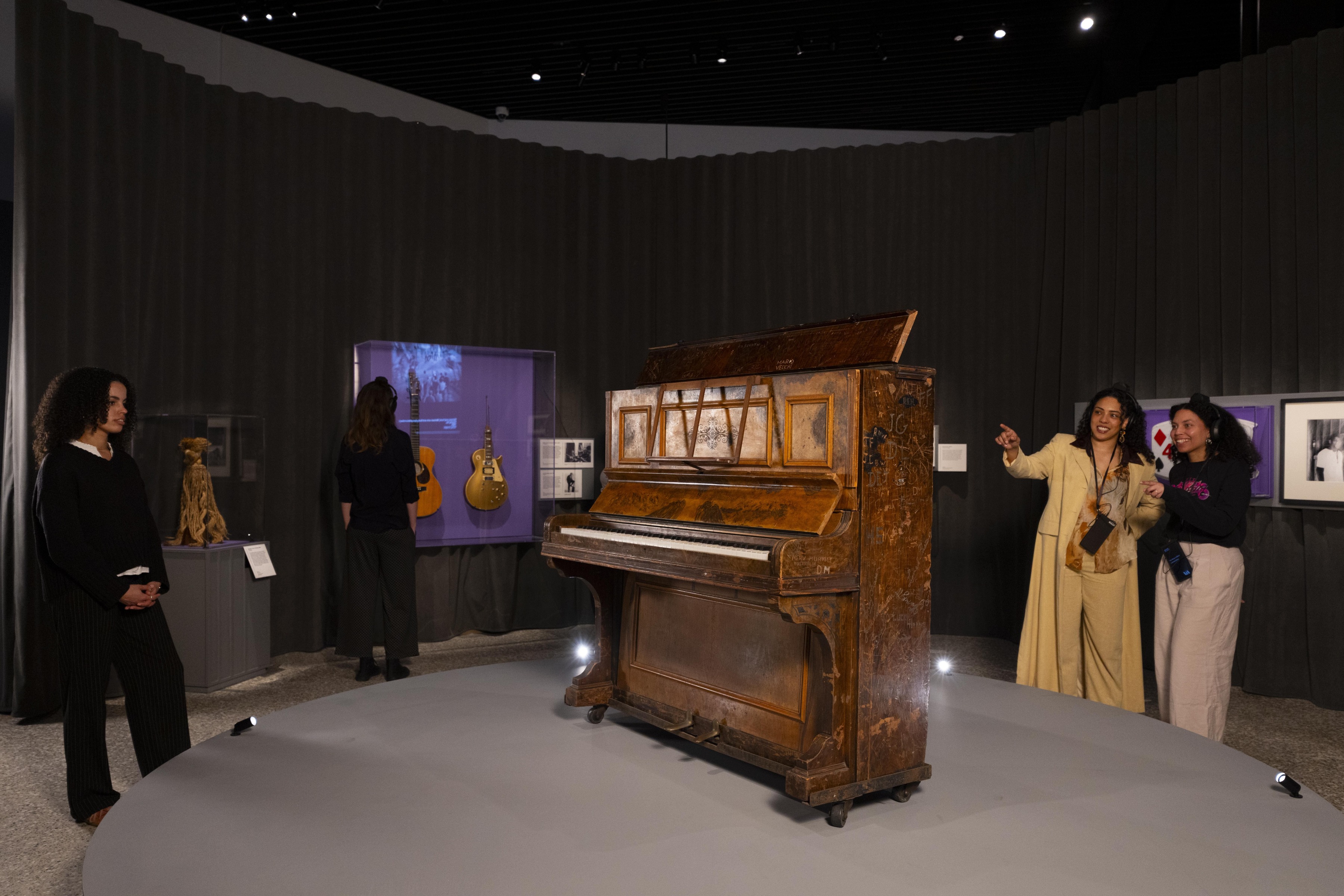
Inside V&A East Museum’s inaugural exhibition, The Music is Black A British Story © David Parry for the V&A
New Work — “Making East London” as a starting point
East London has long been a site of creativity, migration, and transformation, and the beating heart of London’s creativity for well over a century. “Making East London” emerged from thinking about the museum not as an isolated cultural space, but as something deeply embedded within its environment.
For me, it was important that the programme didn’t simply represent East London, but responded to it—its histories, its communities, and its ongoing changes. The theme allows artists to engage with place not as a backdrop, but as a dynamic force shaping creative practice.
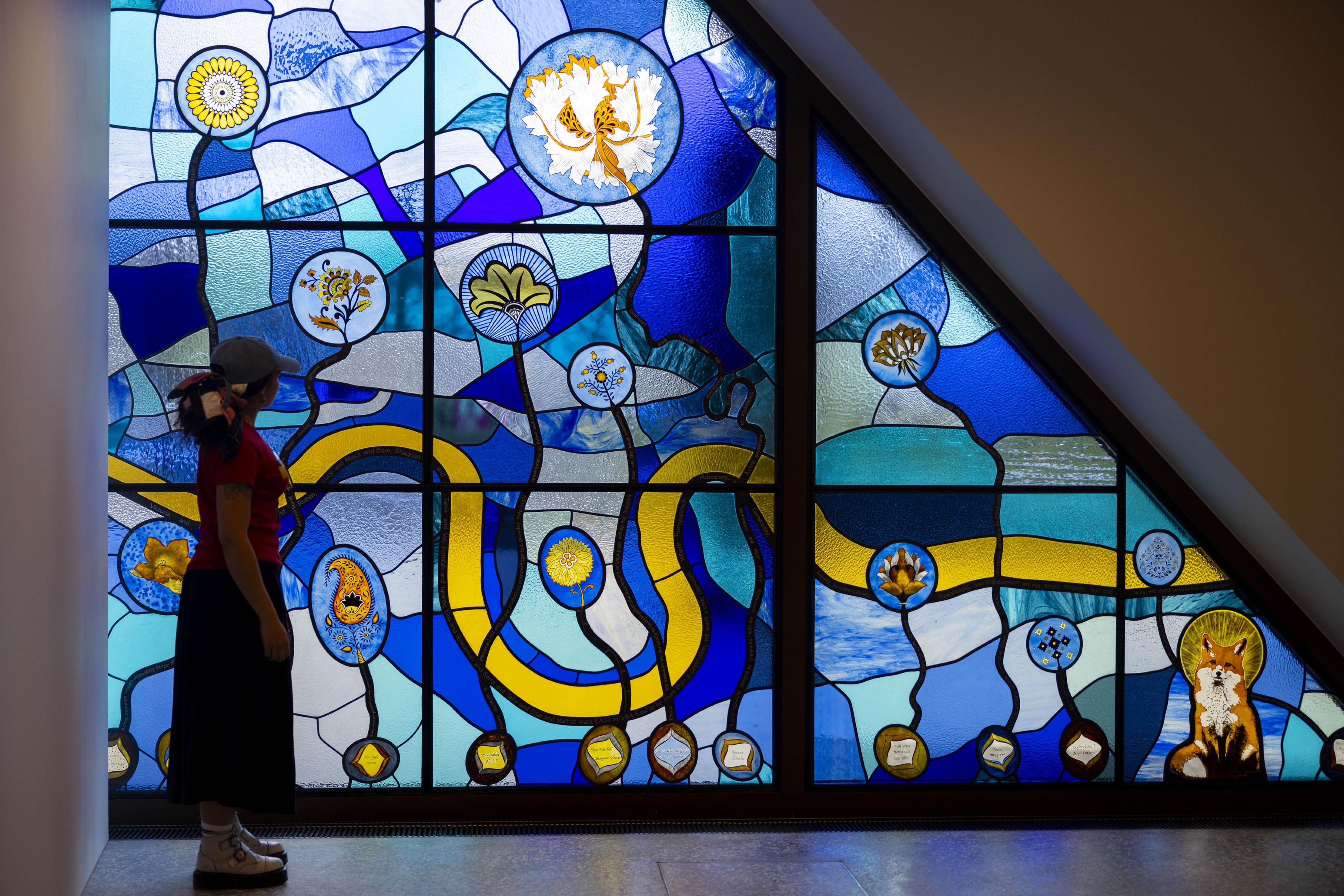
New Work Commission by Tania Bruguera for V&A East Museum © David Parry for the V&A
The constellation of artists — how and why?
The selection of artists was driven by a desire to bring together a range of practices that reflect different ways of thinking about making today—across disciplines, geographies, and conceptual approaches. From Tania Bruguera’s socially engaged work to Lawrence Lek’s digital environments, and from Carrie Mae Weems’ photographic practice to Es Devlin’s immersive installations, each artist approaches the question of making from a distinct perspective.
What interested me was how these practices might resonate across the two V&A East sites—Storehouse and the Museum—creating dialogues between physical and digital, local and global, historical and speculative. It’s less about a single narrative and more about a constellation of voices that together reflect the complexity of contemporary creative practice.
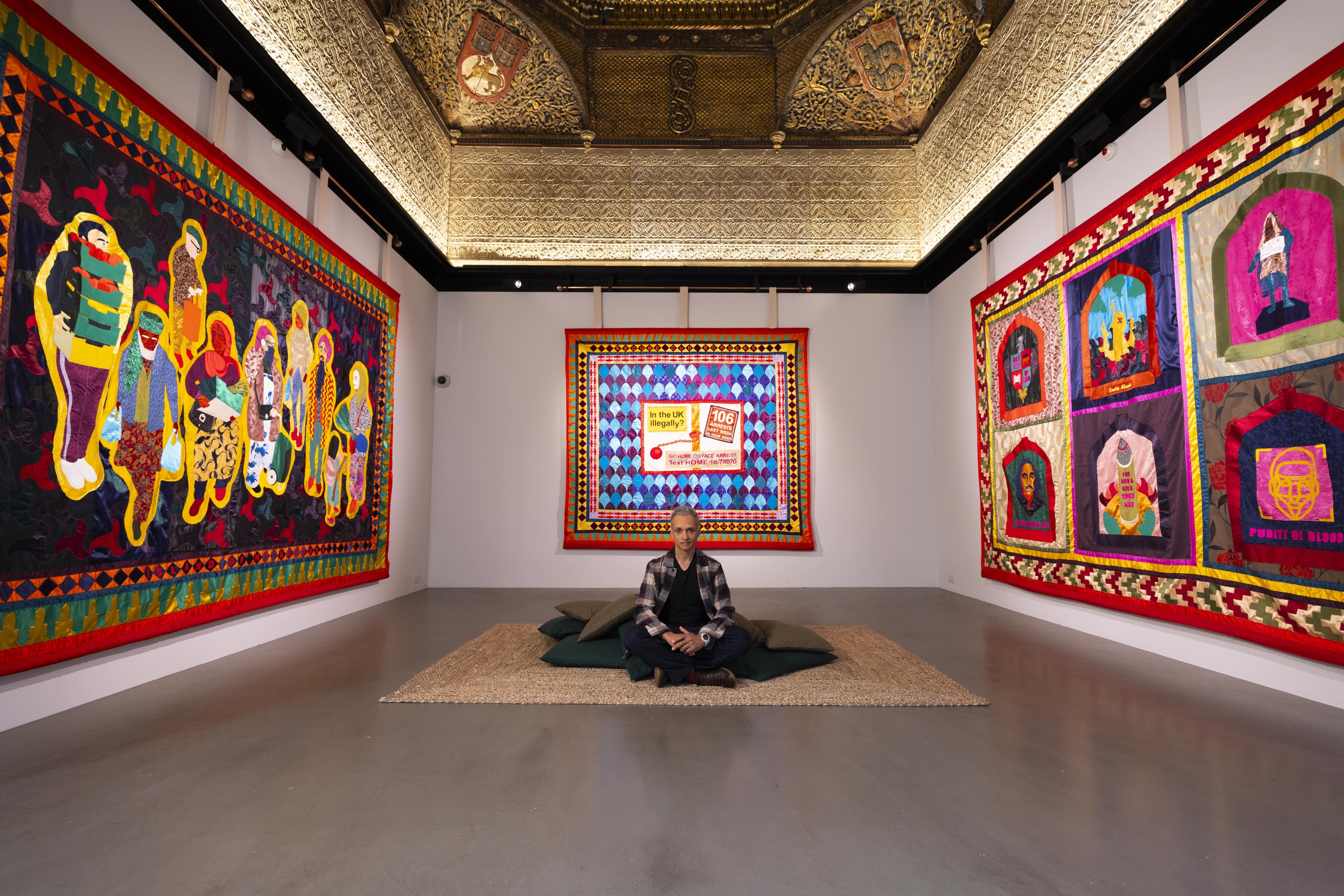
Shahed Saleem with ‘I Was Born Here’, V&A East New Work commission on display at V&A East Storehouse © David Parry for the V&A
Relationship to East London — local vs global
It has to be both. The ambition is to create a programme that is deeply rooted in East London while also speaking to global conversations. That balance is critical—because East London itself is already a global space, shaped by migration, exchange, and layered histories.
Over time, I see New Work as an ongoing dialogue with the surrounding community—one that evolves as the neighbourhood evolves. But it’s equally important that the work resonates beyond that context, positioning East London within a broader cultural and artistic landscape.
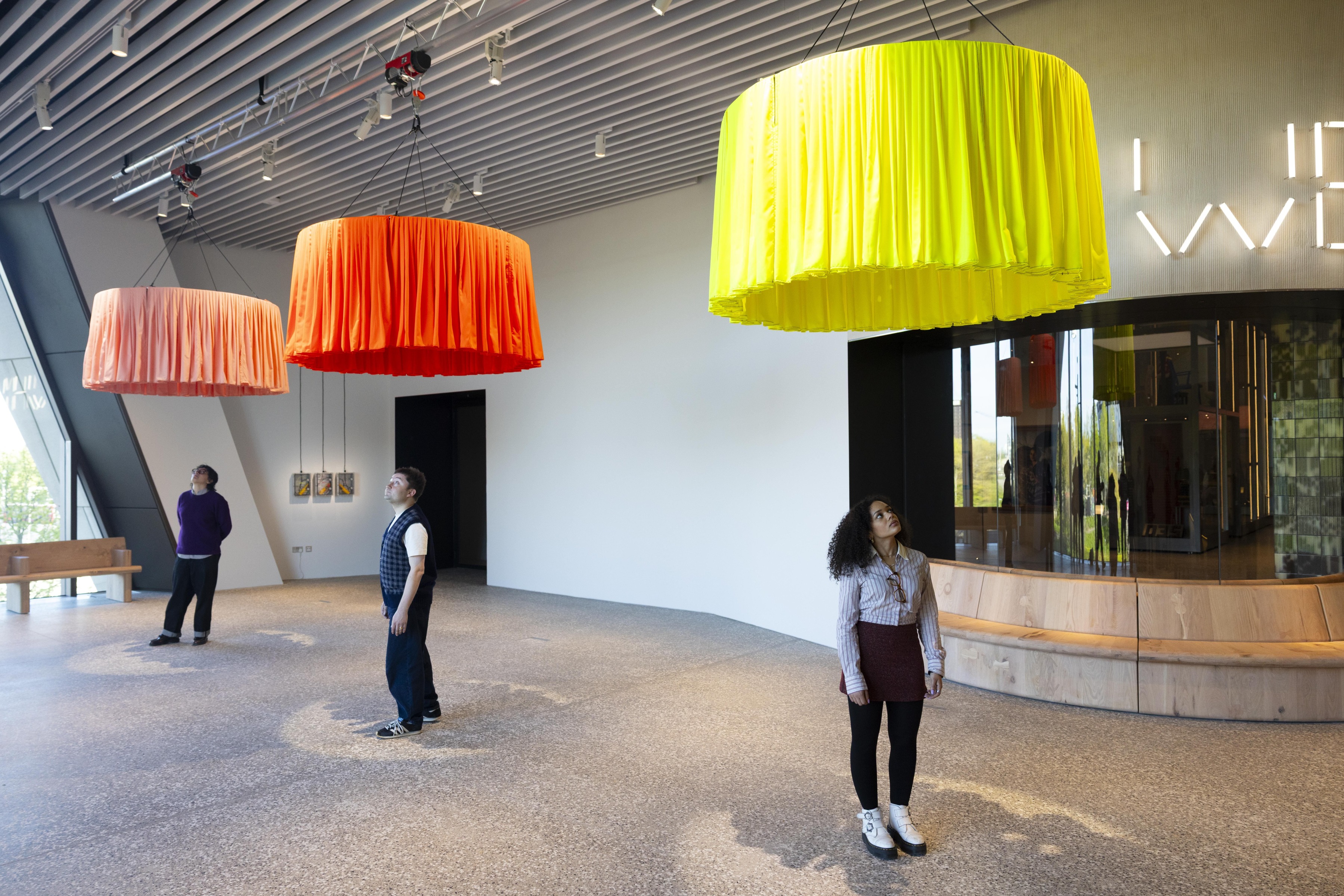
New Work Commission by Laura Wilson for V&A East Museum © David Parry for the V&A
Six-month rotation — how does that tempo shape the work?
The six-month rhythm creates a sense of urgency and responsiveness. It allows us the work exhibited to always feel relevant and for us to nimbly respond to current events and issues as they arise to show art and creativity are essential to addressing the urgent issues of our time.
Not every work needs to be monumental; some can be more ephemeral, more process-driven, or more experimental. That flexibility is actually one of the strengths of the programme.
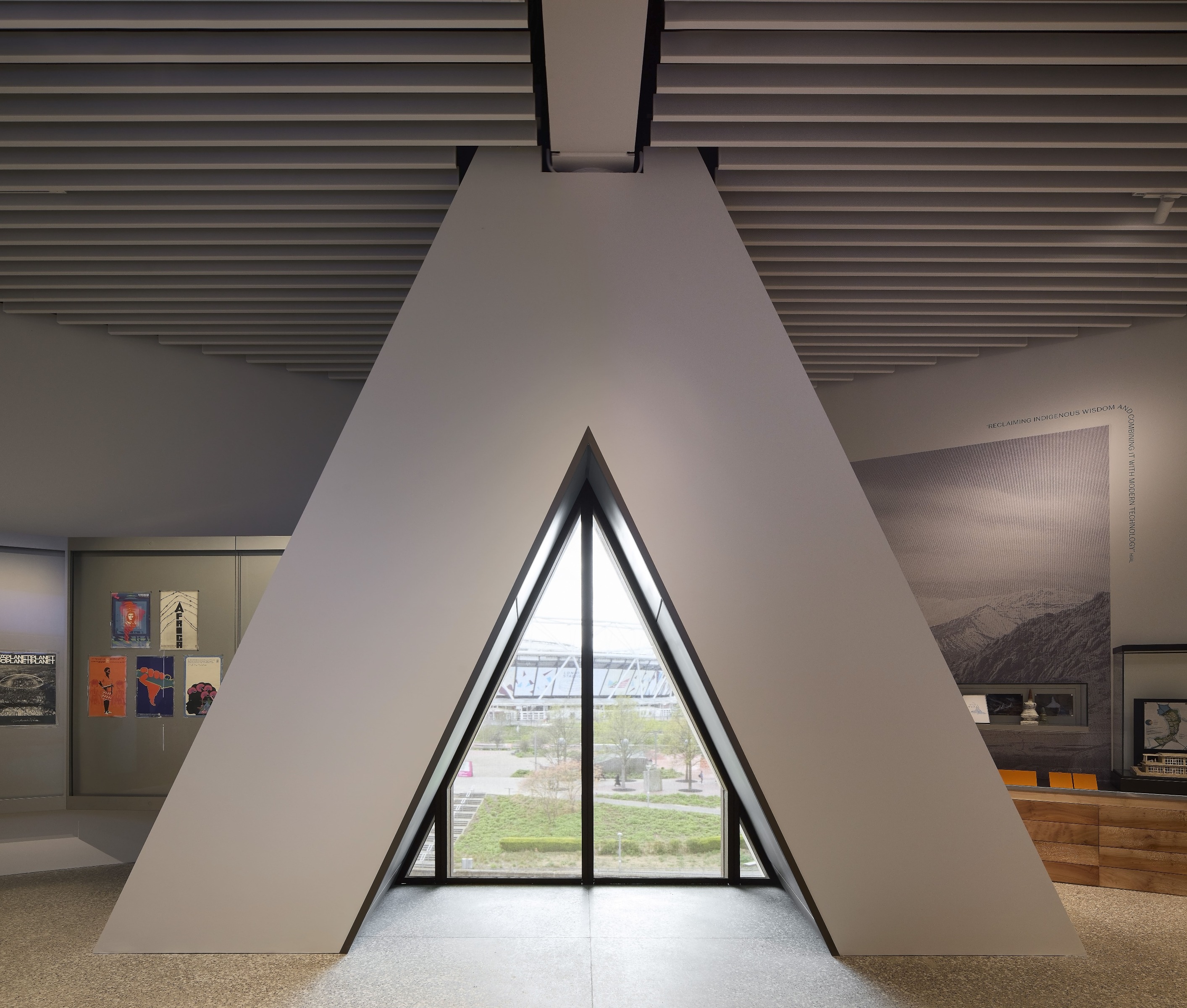
Inside V&A East Museum © Hufton+Crow
Your institutional background — how has it shaped New Work?
Working across a range of institutions in the US and UK has taught me that Transformation doesn’t come overnight and challenges shape who you are. One of my greatest challenges has been in navigating the balance between innovation and tradition, especially within major institutions. Pushing for new narratives or more inclusive approaches requires questioning – and often revolutionising – systems that have existed for centuries. The most valuable lesson I’ve learned is that real change demands both courage and patience. Transformation doesn’t happen overnight. It’s built through persistence, empathy and collaboration. It also requires recognising that museums are living organisms – their evolution depends on the people who dig deep, care enough to keep questioning how and why they exist, and continue to push them forward. Each place reminded me why I had undertaken this research in the first place: to illuminate the power of art to shape, question and redefine who we are.
What I’ve taken from those experiences is both a respect for institutional rigour and a desire to push beyond inherited frameworks. New Work is an opportunity to do that—to create a programme that is more open-ended, more responsive, and more attuned to the present moment. It allows us to work with artists as collaborators in shaping what the museum can be.