A Summer of Art Across Scandinavia
2 Jul 2026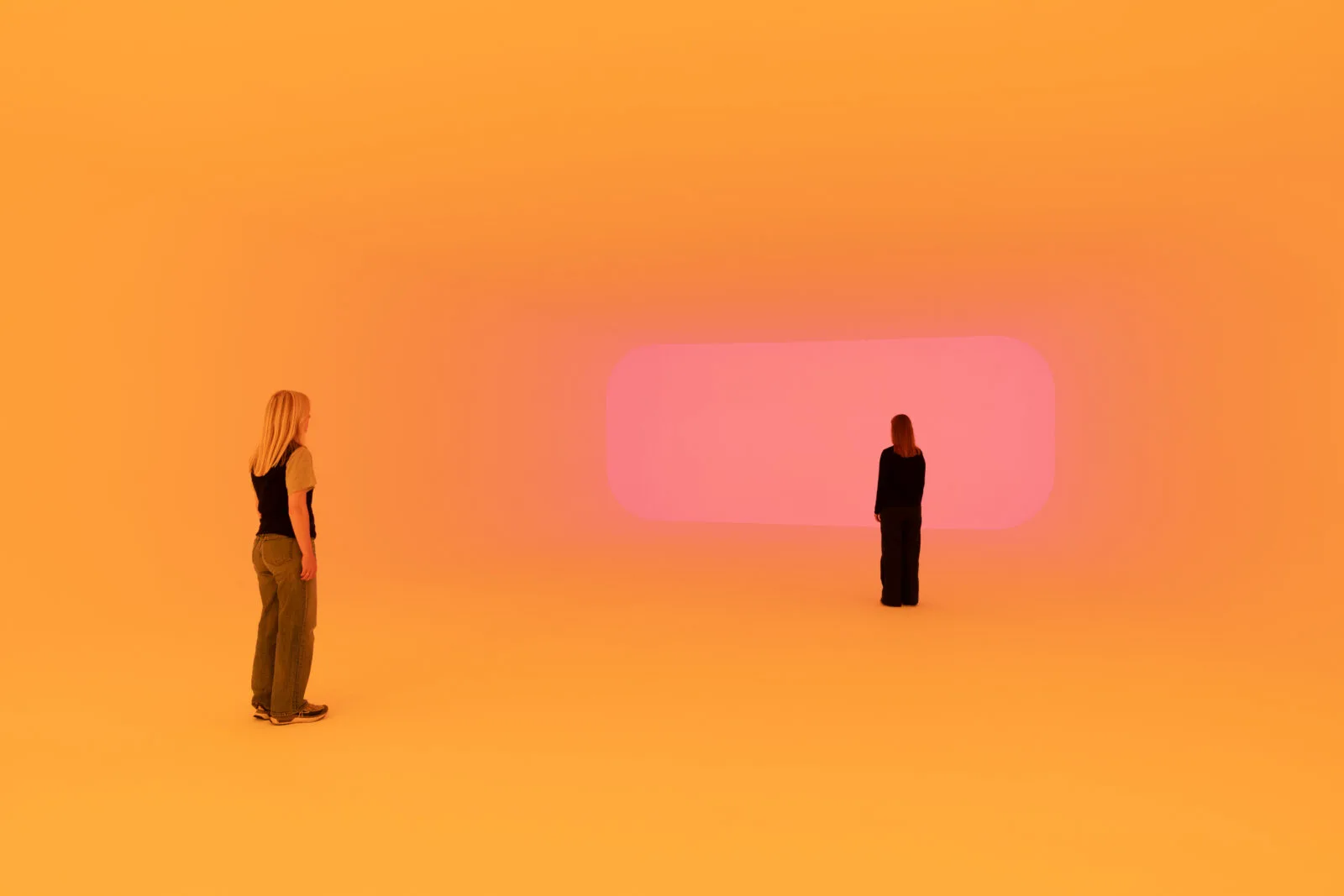
Scandinavia may be best known for clean design, summer light and cities shaped by water, but its art scene is just as compelling. Across Copenhagen, Stockholm and Oslo, culture moves easily between major museums, photography spaces, sculpture parks, design institutions and galleries set against some of the region’s most beautiful landscapes.
This season, the route begins in Copenhagen, where contemporary art and design sit naturally alongside the city’s summer rhythm. From there, continue to Stockholm for island museums, photography and an archipelago escape, before ending in Oslo, where Munch, fjord-side architecture and outdoor sculpture give the journey a more dramatic close.
Whether you are planning a Nordic city break or adding a cultural stop to a wider Scandinavian itinerary, here is how to make the most of the region through art.
COPENHAGEN
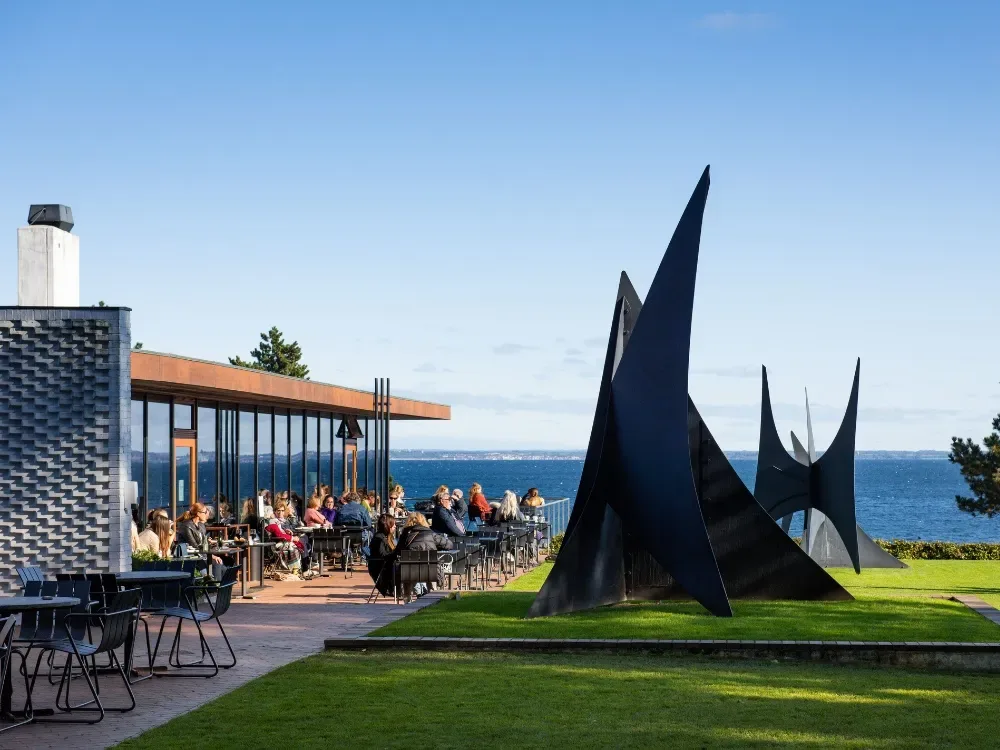 Louisiana Museum of Modern Art, Copenhagen.
Start just outside the city at the Louisiana Museum of Modern Art, one of Scandinavia’s most beautiful museum experiences. Set on the Øresund coast, around 40 minutes by car from Copenhagen, Louisiana combines modernist architecture, sea views and a sculpture garden with works by Jean Arp, Alexander Calder and Henry Moore.
This summer’s programme gives the visit even more reason to linger. Lucian Freud brings together drawings, etchings and works on paper that trace the artist’s lifelong fascination with faces and bodies, while Sophie Calle turns the museum towards intimacy, observation and the delicate line between fact and fiction. Together, they make Louisiana feel less like a detour and more like the place to build the day around.
James Turrell: Aftershock, Copenhagen Contemporary. Photo Credits: David Stjernholm
Back in Copenhagen, head to Copenhagen Contemporary, one of the region’s largest venues for contemporary art. Set in Refshaleøen, the space is known for ambitious installation, performance and large-scale works, with James Turrell’s permanent Skyspace, Aftershock, offering one of the city’s most atmospheric art encounters.
Also on view is Camille Henrot: Paper Planes, the artist’s largest solo exhibition in Scandinavia to date, alongside Shapeshifters: Magic in Fashion, which looks at clothing as ritual, performance and transformation. It is a strong shift in mood after Louisiana: less coastal calm, more immersive energy.
For a design-led stop, make time for Designmuseum Denmark. Its collection moves through Danish furniture, craft, industrial design and contemporary innovation, giving the Copenhagen section its most distinctly Nordic note. In a city where design often feels embedded into daily life, the museum offers a useful reminder that function, form and beauty are part of the same cultural language.
STOCKHOLM
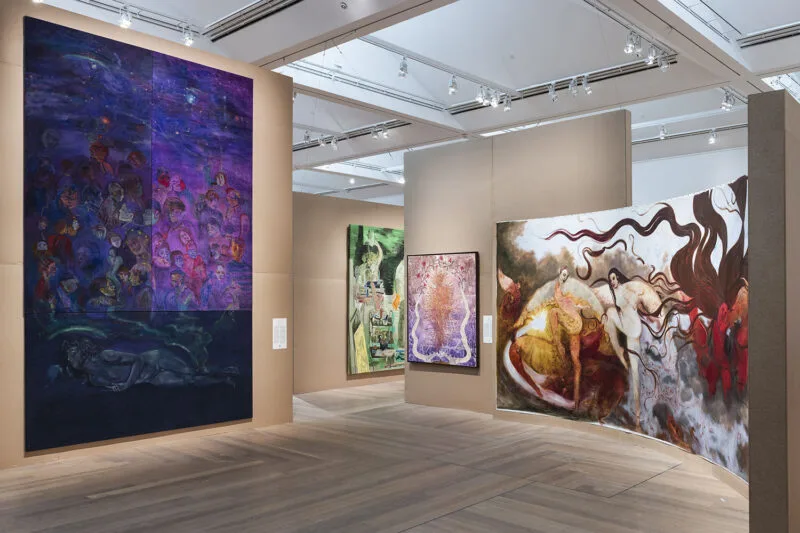
Moderna Museet, Stockholm. Photo Credits: Modern Art Museum Stockholm Sweden
In Stockholm, the art scene has a different pace: elegant, island-based and closely tied to the city’s relationship with water and light. Begin at Moderna Museet on Skeppsholmen, one of Europe’s leading museums of modern and contemporary art, with a collection spanning early 20th-century art through to photography from 1840 onwards.
This season, Anna Casparsson: Island of Bliss brings the artist’s embroidered worlds back into view, with textile works inspired by fairy tales, biblical stories and music. Alongside it, Brassaï: The Secret Signs of Paris gathers more than 160 black-and-white photographs from the artist’s nocturnal walks through Paris in the 1930s.
Together, the exhibitions give Moderna Museet a compelling summer contrast: one intimate and textile-led, the other cinematic, shadowy and urban.
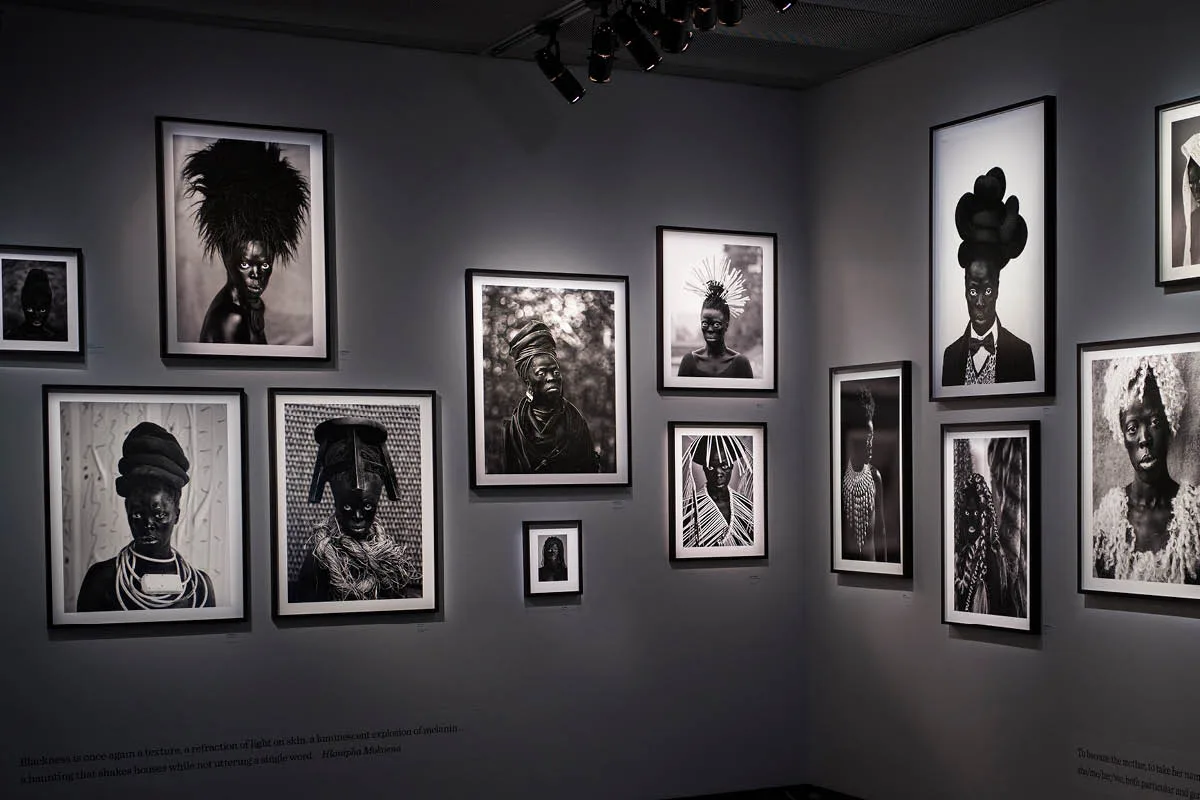
Installation at Fotografiska, Contemporary Photography Museum. Stockholm.
For photography, continue to Fotografiska in Södermalm. Open late and set by the water, it works particularly well as an evening visit. This season, Lebohang Kganye: Le Sale ka Kgotso brings photography, sculpture and scenography together in a large-scale installation exploring home as a place of safety, memory and tension.
It is one of the most visually rich stops in the Stockholm section: contemporary, immersive and easy to pair with dinner or a walk along the harbour afterwards.
For a change of pace, leave the city for Artipelag on Värmdö island. The name combines art, activities and archipelago, and that is exactly the appeal. With exhibition spaces, a sculpture park, restaurants and sea views, Artipelag feels less like a single museum visit and more like a full afternoon outside the city. 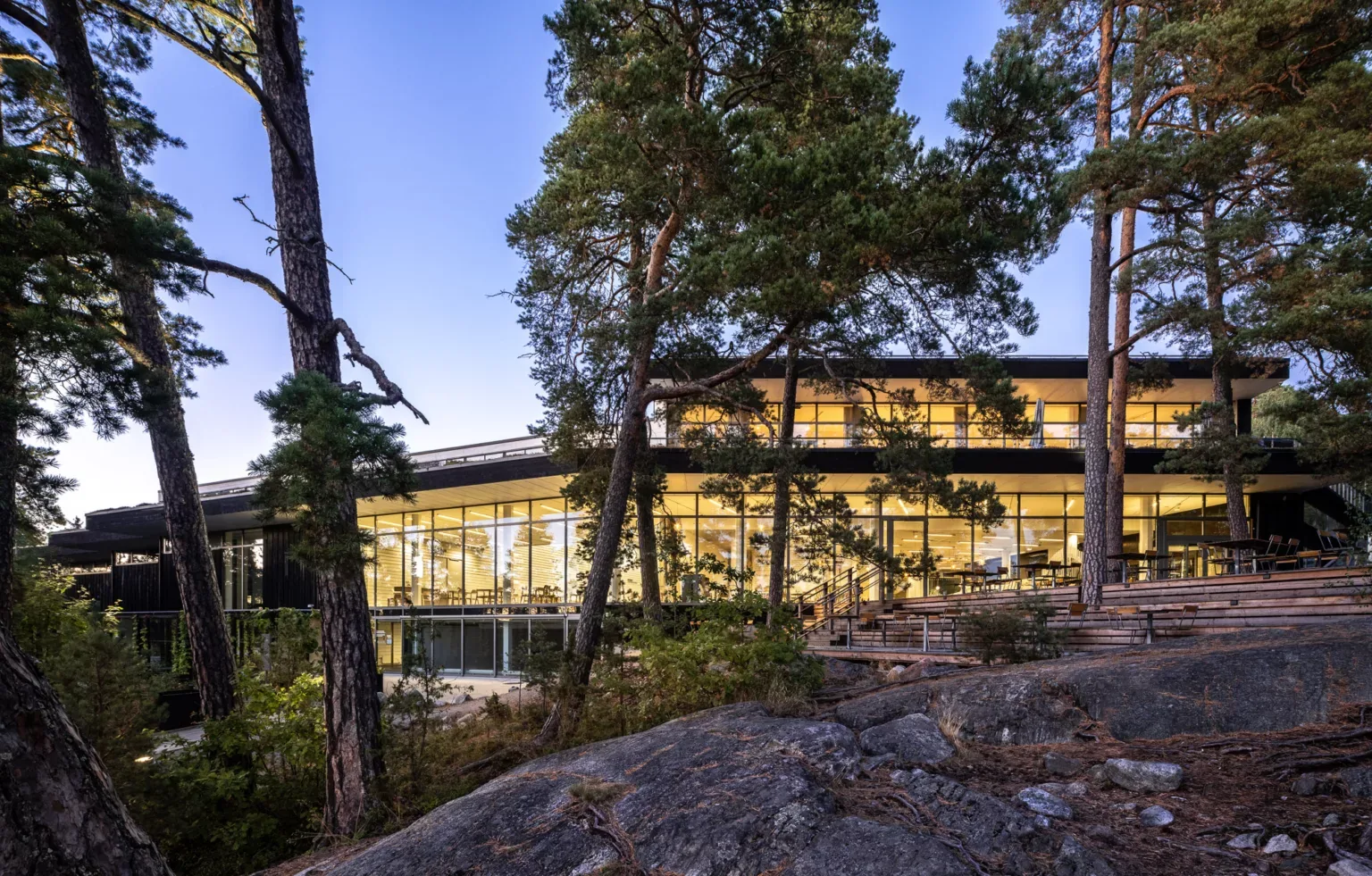
Artipelag, Stockholm Archipelago. Photo Credits: Mike Kelley.
It is Stockholm’s cultural escape: scenic, polished and serious enough to anchor a day.
If you have time, return to the city for Nationalmuseum, Sweden’s museum of art and design. Its collection spans painting, sculpture, drawings, craft and design, giving Stockholm a more classical counterpoint to Fotografiska and Moderna Museet.
OSLO
Oslo gives the journey its boldest architectural finish. Start at MUNCH, the harbourfront museum dedicated to Edvard Munch and home to the world’s largest collection of the artist’s work. Its permanent collection includes more than 1,200 paintings and 18,000 prints, offering a broader view of Munch beyond the works everyone already knows.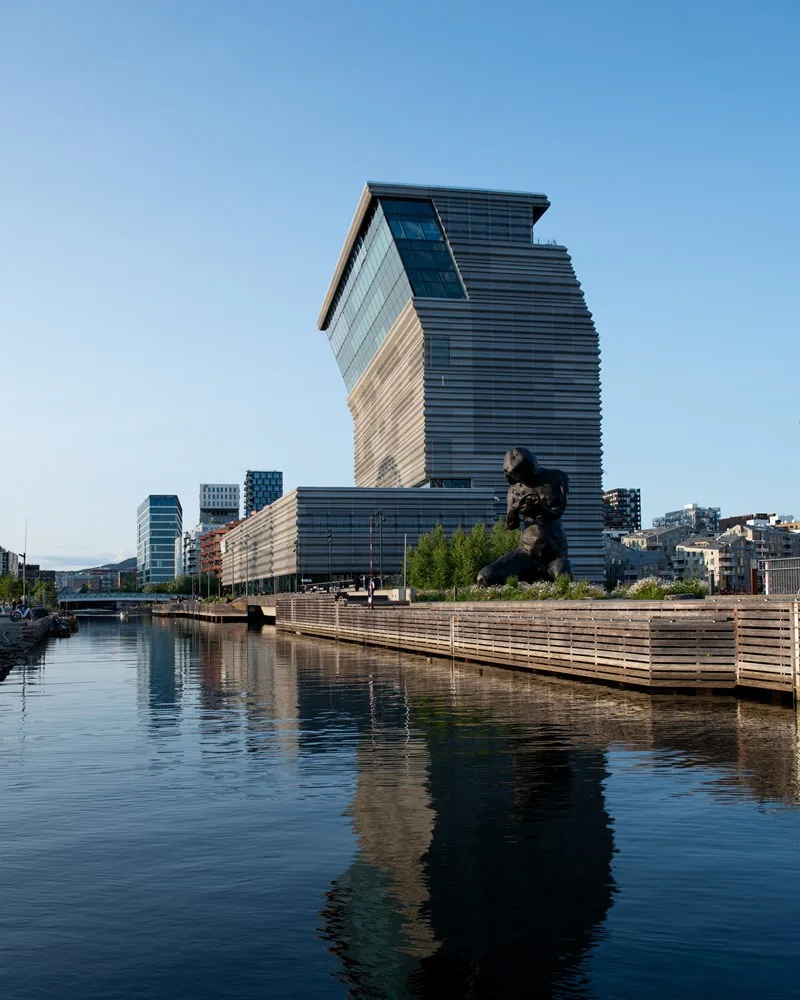
MUNCH - Munchmuseet, Oslo
This summer, Paula Rego brings another kind of psychological intensity to the museum. Presented as the first major Nordic museum exhibition devoted to the Portuguese-British artist, the show draws out links between Rego’s figurative, imaginative and often unsettling images and Munch’s own treatment of emotion, power and the human condition.
Visit in the early evening if you can, then stay for dinner at the museum’s top-floor restaurant.
From there, make your way to Astrup Fearnley Museum at Tjuvholmen. Designed by Renzo Piano and set directly on the water, it is one of the highlights of Oslo’s contemporary art scene. The collection began with a focus on American appropriation art but has since grown into a broader international programme, with works by artists including Francis Bacon, Matthew Barney, Cai Guo-Qiang and Olafur Eliasson.
It is a sleek, fjord-side stop that gives Oslo a more international contemporary edge.
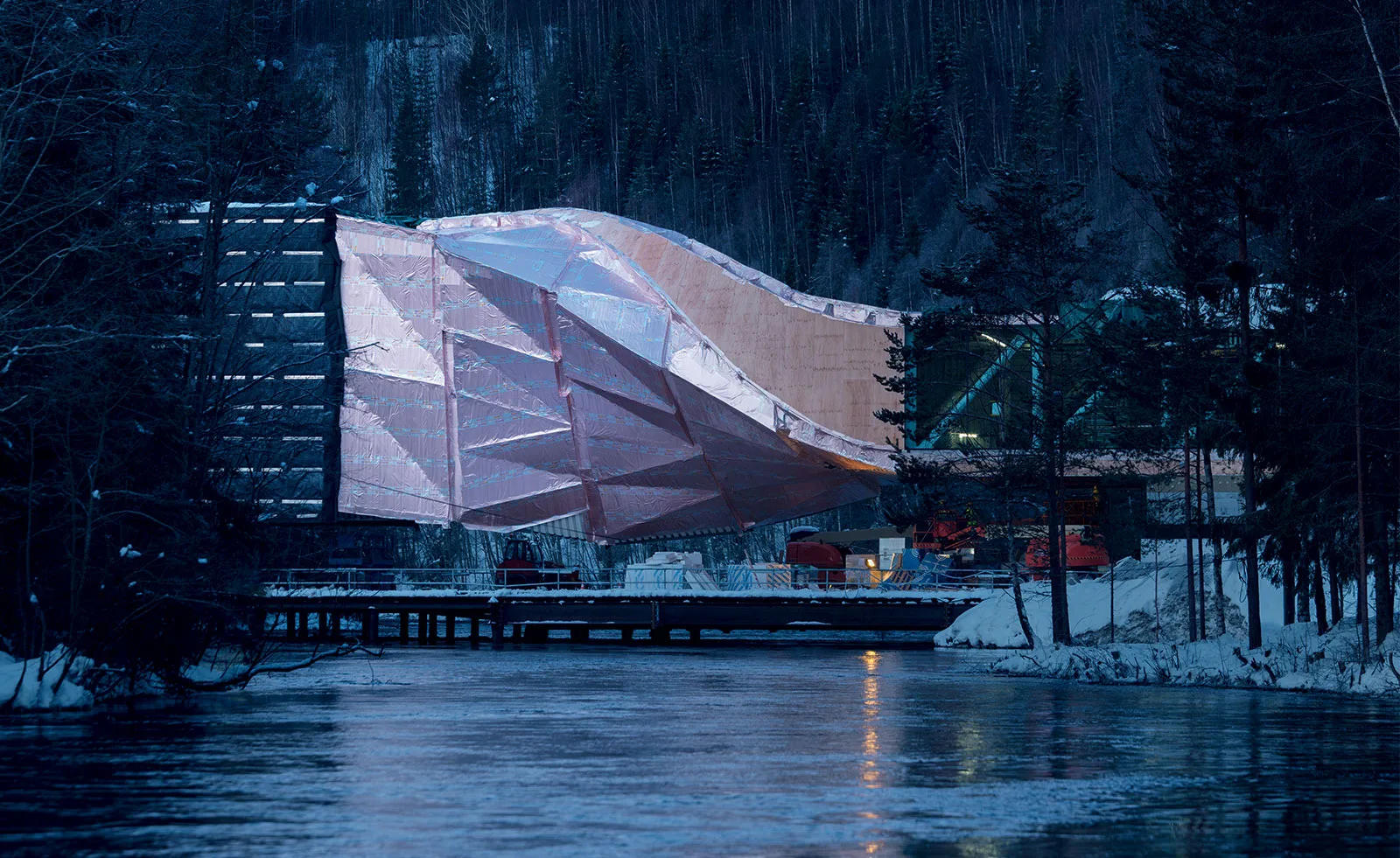 The Twist at Kistefos, Oslo. Photo Credits: Einar Aslaksen
For the strongest day trip, drive out to Kistefos, around an hour from Oslo. Set on the historic grounds of a former pulp mill, Kistefos combines industrial heritage, contemporary galleries, architecture and a sculpture park of 51 works. Its most recognisable feature is The Twist, a bridge-gallery hybrid that has become one of Scandinavia’s most distinctive museum buildings.
This is the Oslo stop worth making time for. Like Louisiana outside Copenhagen or Artipelag outside Stockholm, Kistefos turns the museum visit into something larger: part architecture, part landscape, part sculpture walk.
STOP BY
For outdoor sculpture, Oslo has two strong options. Vigeland Sculpture Park is the classic, with 212 bronze and granite sculptures by Gustav Vigeland spread across Frogner Park. Ekebergparken offers a more contemporary route, with works by artists including James Turrell and Louise Bourgeois, alongside views over the fjord and city.
If you are passing through the harbour, also stop by the Oslo Opera House. Its sloping roof, designed by Snøhetta, allows visitors to walk up the building itself and take in panoramic views of the city and fjord. The building also includes art commissions by Monica Bonvicini and Olafur Eliasson, making it more than an architectural landmark.
Together, Copenhagen, Stockholm and Oslo make for a cultural itinerary that feels refined but never static: contemporary, coastal, architectural and quietly expansive.