A Photography Lover’s Guide to Paris
5 Nov 2026
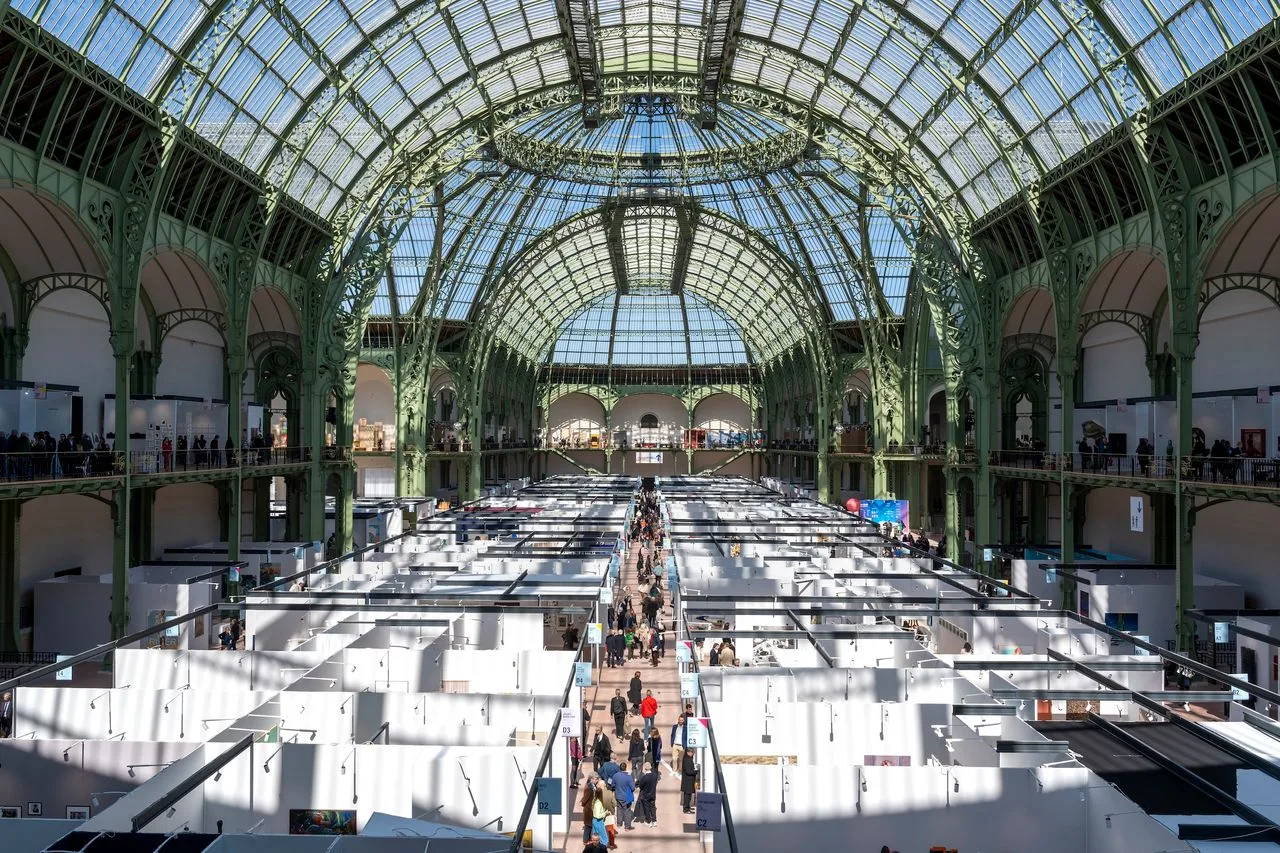
For one week each November, Paris becomes the centre of the photographic world. This year feels particularly well timed: as the medium marks its bicentenary, Paris Photo returns to the Grand Palais alongside a citywide programme that stretches from fashion photography and postwar Paris to staged histories and some of the earliest experiments with the camera.
Start beneath the Grand Palais glass roof, then keep looking. Here are five exhibitions worth building into the days around the fair.
Installation view of Art Paris 2025 at the Grand Palais, Paris. Photo: Marc Domage. Courtesy Art Paris.
Paris Photo
Grand Palais | 12–15 November
The starting point is, naturally, Paris Photo. Now in its 29th edition, the fair brings together more than 220 exhibitors from over 30 countries, moving from historic prints and analogue processes to large-scale installations, photobooks and digital experimentation.
Among the additions worth making time for is Revealing, drawn from the Centre Pompidou's photography collection. Around 100 works by some 30 artists trace the changing possibilities of the medium, from image-making itself to questions of reproduction and identity. Elsewhere, Voices turns its attention to disappearance, while the Digital sector considers what happens to photography as technology changes how images are made, circulated and understood.
In other words, don't try to see everything. Pick a few sectors, leave time for the books, and let the fair provide the map for the rest of the weekend.
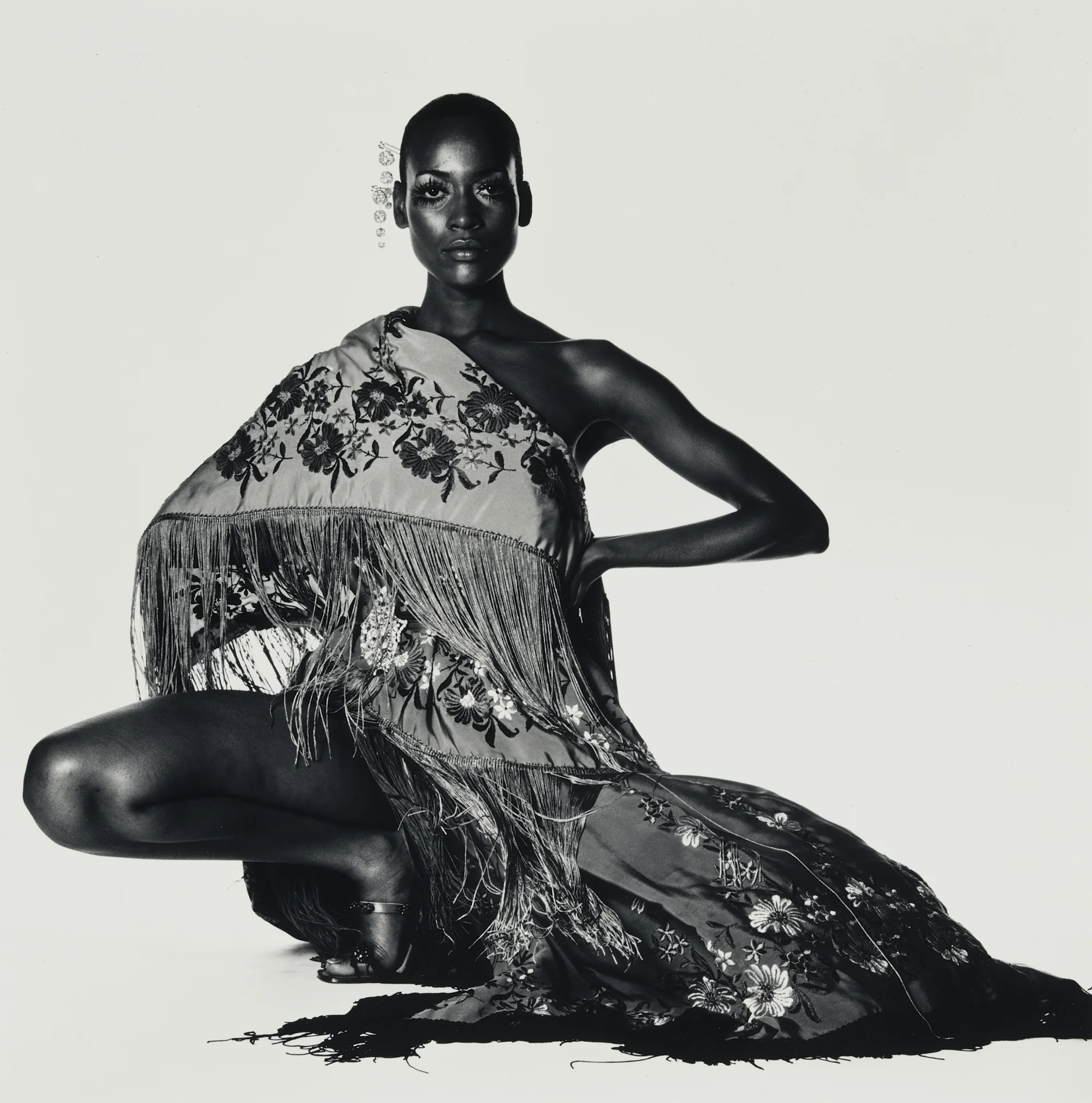
Irving Penn, Naomi Sims in Scarf, New York, c. 1969. Collection The Irving Penn Foundation, New York © The Irving Penn Foundation
Penn & Fashion
Maison Européenne de la Photographie | through 17 January 2027
After the scale of the Grand Palais, Irving Penn offers something altogether more controlled. The MEP's Penn & Fashion follows six decades of his relationship with fashion, beginning with the Paris couture photographs of the late 1940s and 1950s and continuing through a career that helped establish the visual language of modern editorial photography.
Penn could make an elaborate Balenciaga silhouette feel almost architectural and a portrait feel startlingly intimate. Seen together, the photographs are also a reminder that fashion photography at its best is rarely only about clothes: composition, gesture and personality do just as much of the work.
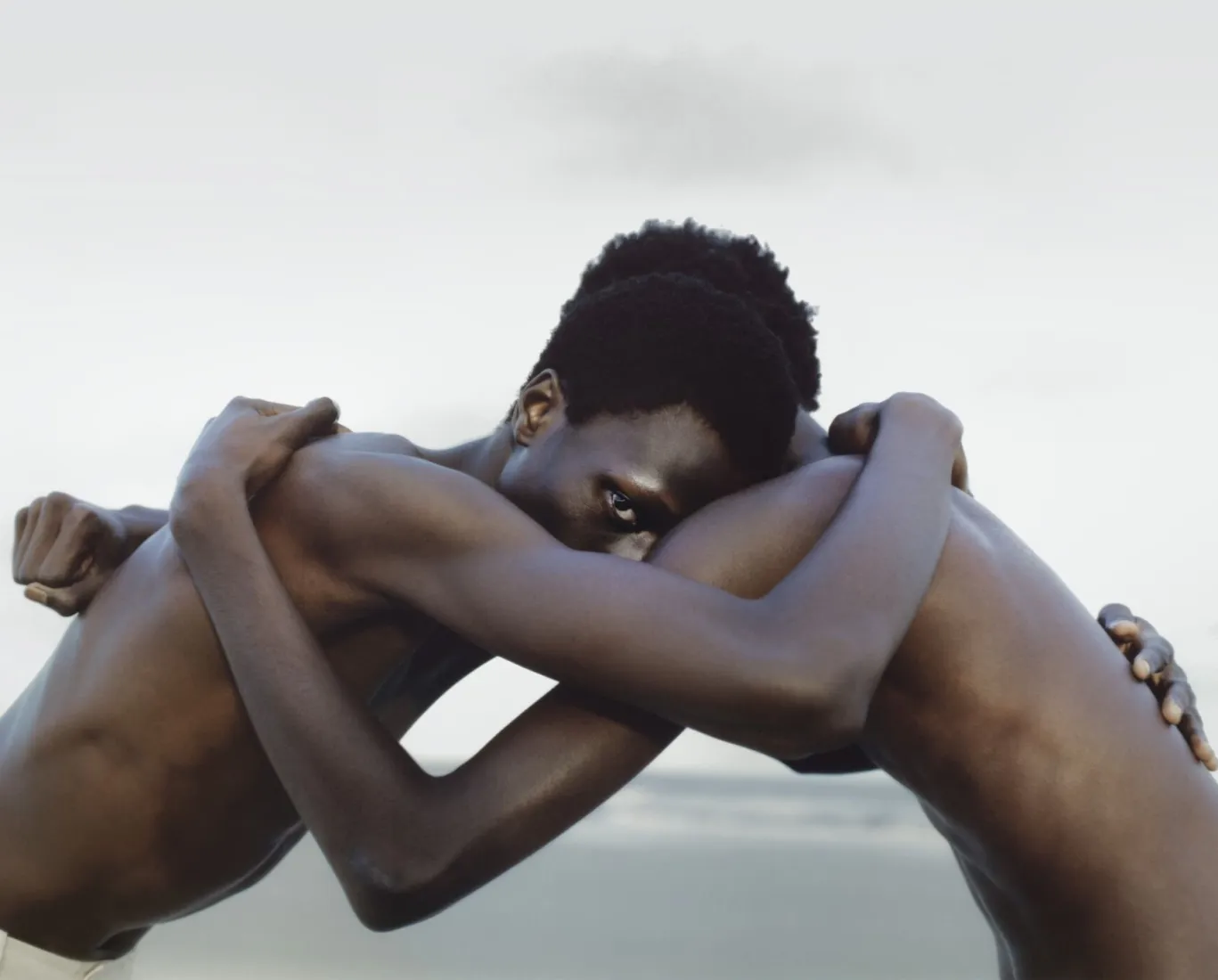
Tyler Mitchell, An Embrace (2024). © Tyler Mitchell. Courtesy of the artist and Pinault Collection.
Remember Me
Bourse de Commerce, Pinault Collection | through 18 January 2027
If Paris Photo provides breadth, Remember Me provides abundance. Nearly 700 works by more than 70 artists take over the Bourse de Commerce, using memory rather than chronology to move between the nineteenth century and the present.
There are major bodies of work by Irving Penn and Raymond Depardon, but the pleasure lies in the unexpected conversations: August Sander meeting Sherrie Levine, Gustave Le Gray beside Eileen Quinlan, and Richard Avedon's Marilyn Monroe encountering Cindy Sherman's shifting identities. Barbara Kruger occupies the Rotunda with a monumental intervention of her own.
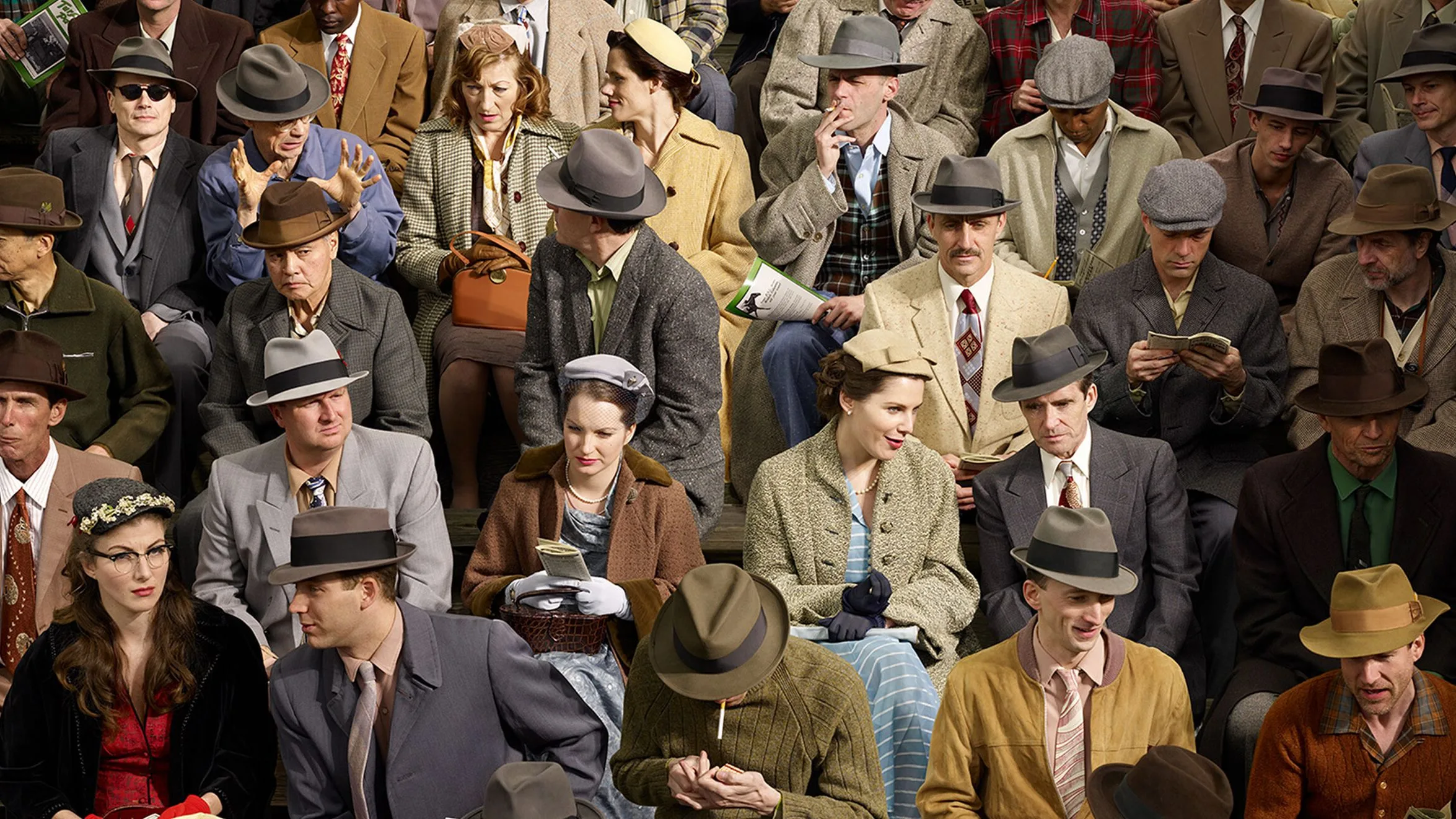
Stan Douglas, Hastings Park, 16 July 1955 (2008), from the series Crowds and Riots. © Stan Douglas.
Stan Douglas: Parallax
Jeu de Paume | through 10 January 2027
Stan Douglas has spent more than three decades questioning how images turn history into something we think we remember. Parallax, his largest French monographic exhibition in more than thirty years, gathers around forty photographs, films and installations spanning his career.
His scenes can initially look documentary, yet many are meticulously reconstructed: riots replayed, crowds restaged, historical moments approached from another angle. Series including Crowds and Riots, Disco Angola and Penn Station sit alongside the recent Birth of a Nation. The result feels particularly sharp during a week devoted to photography: an exhibition about how easily an apparently authoritative image can become fiction, memory or both.
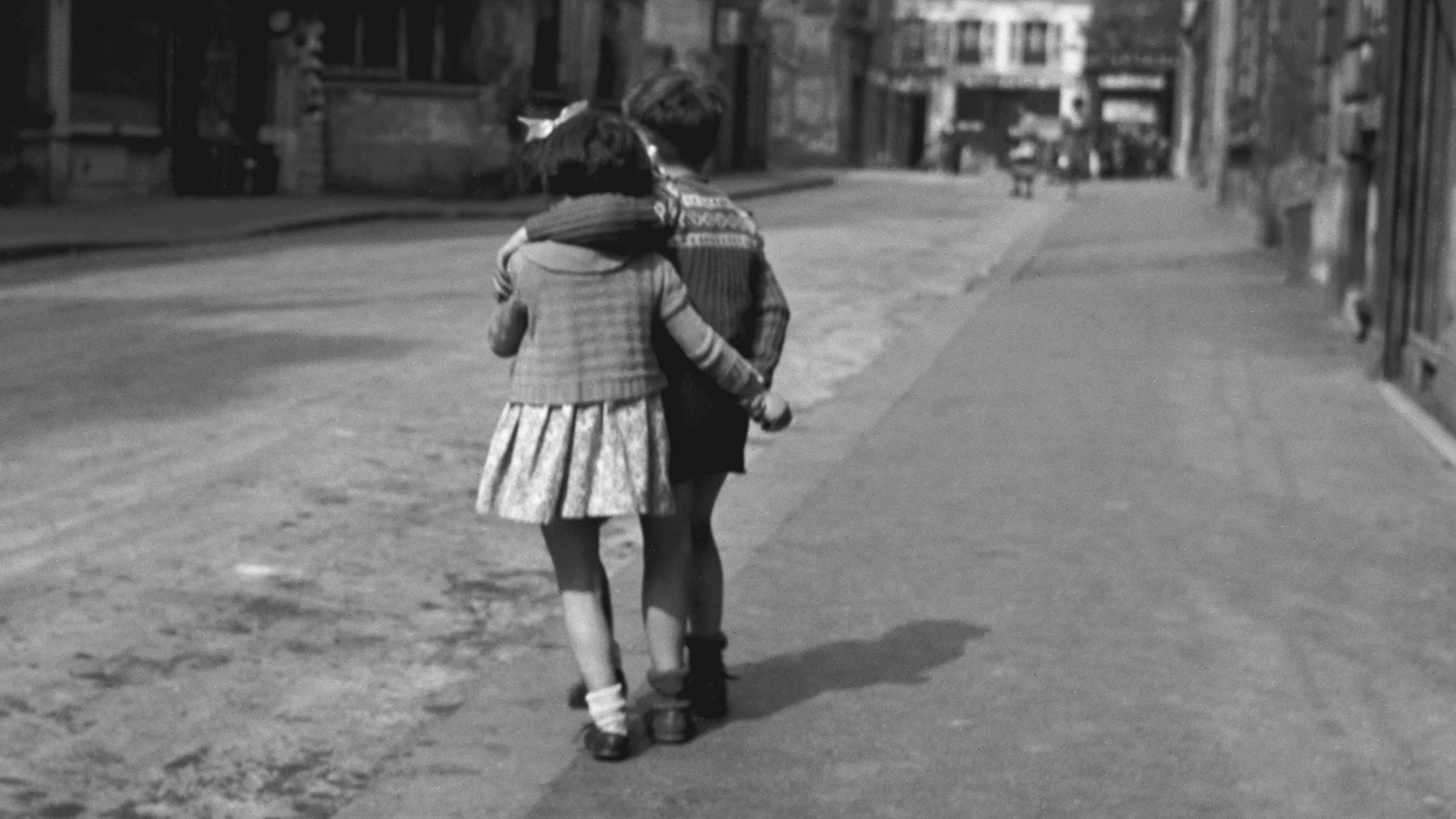
Willy Ronis, La nuit du 14 juillet, Saint-Germain-des-Prés, Paris (1955). © Willy Ronis, MPP. Courtesy of GrandPalaisRmn Photo and La Galerie Rouge.
Paris Humaniste
La Galerie Rouge | through 12 December
Finish with Paris itself. La Galerie Rouge brings together the photographers who shaped one of the city's most enduring visual identities: Édouard Boubat, Jean-Philippe Charbonnier, Robert Doisneau, Willy Ronis, Louis Stettner and Sabine Weiss, alongside Martine Barrat's later photographs of La Goutte d'Or.
The familiar ingredients are there — cafés, pavements, couples, chance encounters — but the exhibition is more interesting when it moves beyond the romance attached to “humanist photography.” Documentary observation sits beside humour, social reality and postwar change, revealing several Parises rather than a single nostalgic one.
Two hundred years after photography began, Paris remains one of the best places to consider what the medium has become. Paris Photo offers the concentrated version; the exhibitions beyond it make the case that the most interesting viewing starts once you step back into the city.
For Club members looking to get closer to the fair, join us on 11 November for a curator-led tour of Paris Photo with Brandei Estes, offering an insider’s perspective on the works, artists and galleries shaping this year’s edition. Discover more and reserve your place in The Cultivist app.