5 must-sees at new york art week
4 Sep 2026
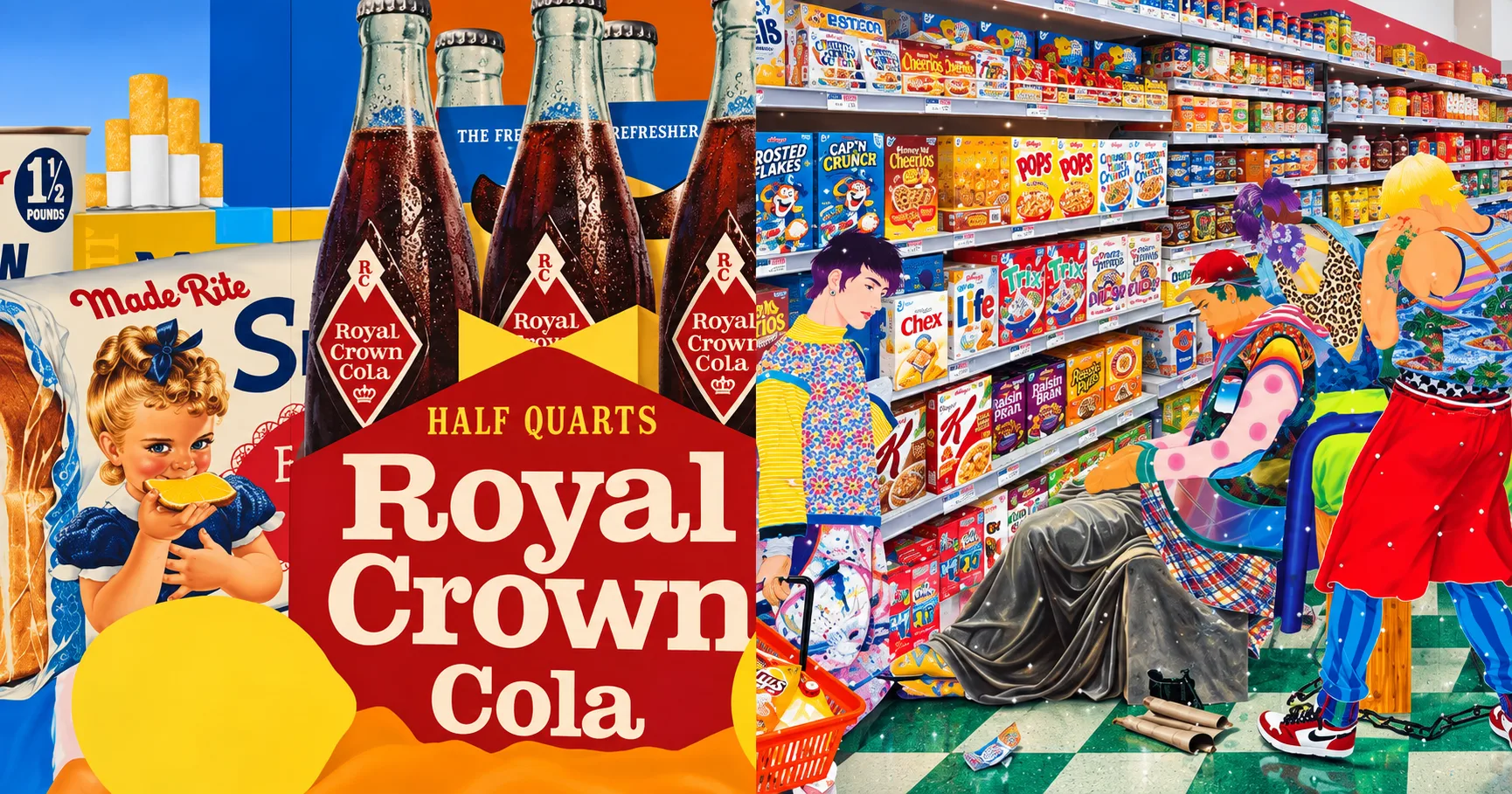
New York Art Week is never really contained by the fairs. While The Armory Show remains the anchor, some of the week’s most interesting moments are unfolding elsewhere, from the Guggenheim’s rotunda to Tom Wesselmann’s former studio and a rare look at Pierre Soulages on paper. If you only have time for five, start here.
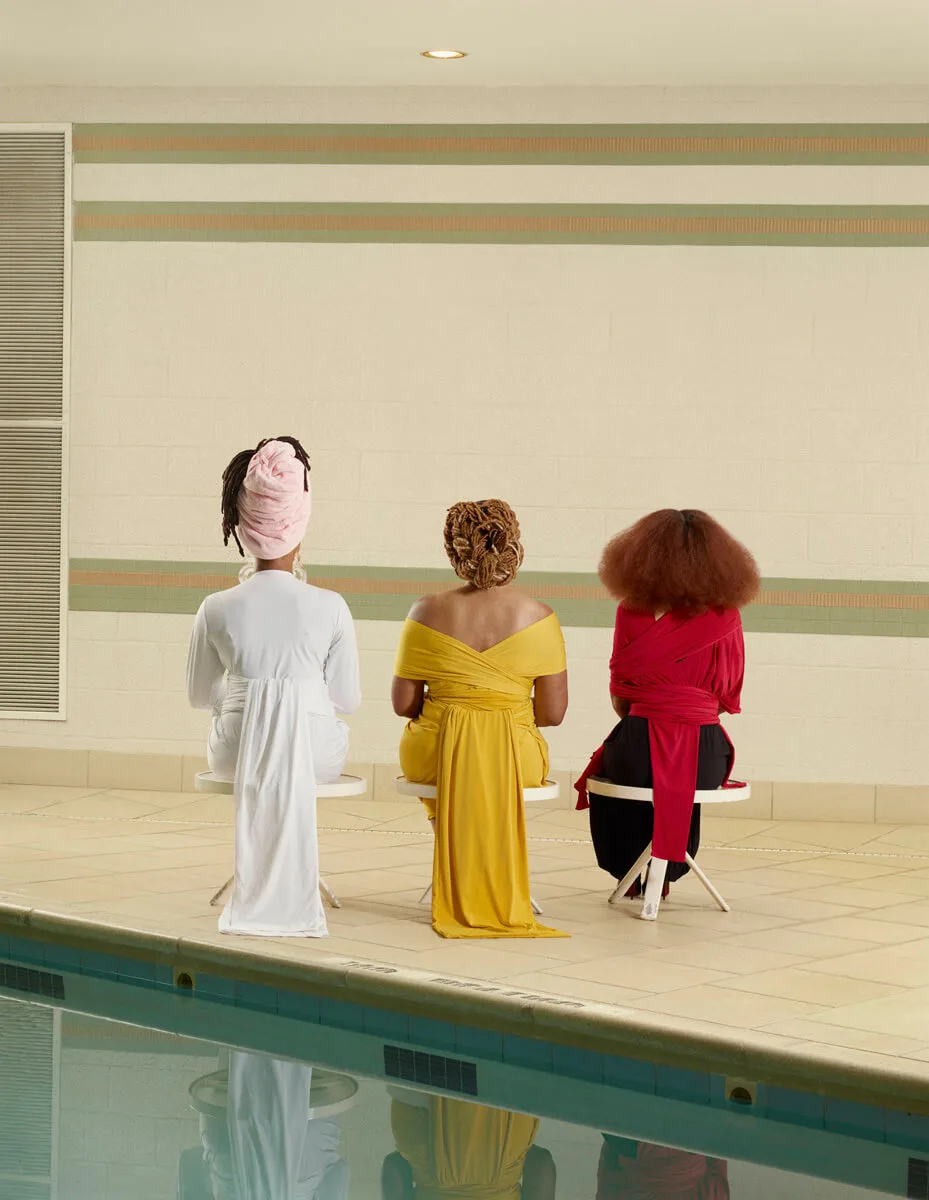
Taryn Simon, A squad agent informed me I’d be babysitting, 2026 (detail). © Taryn Simon. Courtesy the artist and Gagosian.
Taryn Simon: Father Country I Do Love You at the Guggenheim
Taryn Simon takes over the Guggenheim rotunda with the most expansive project of her career. Nearly a decade in the making, Father Country I Do Love You brings together photography, text, video and sculpture to trace the life of an unnamed federal agent, a figure partly shaped by Simon’s own father and the mysteries surrounding his work for the US government. The result unfolds across 42 interconnected works, turning Frank Lloyd Wright’s spiral into a labyrinth of memory, power and national mythology. It is also the first monographic exhibition by a photography-based artist to occupy the rotunda.
Cultivist Club Members: Join us on 28 September for an exclusive before-hours tour of the exhibition.
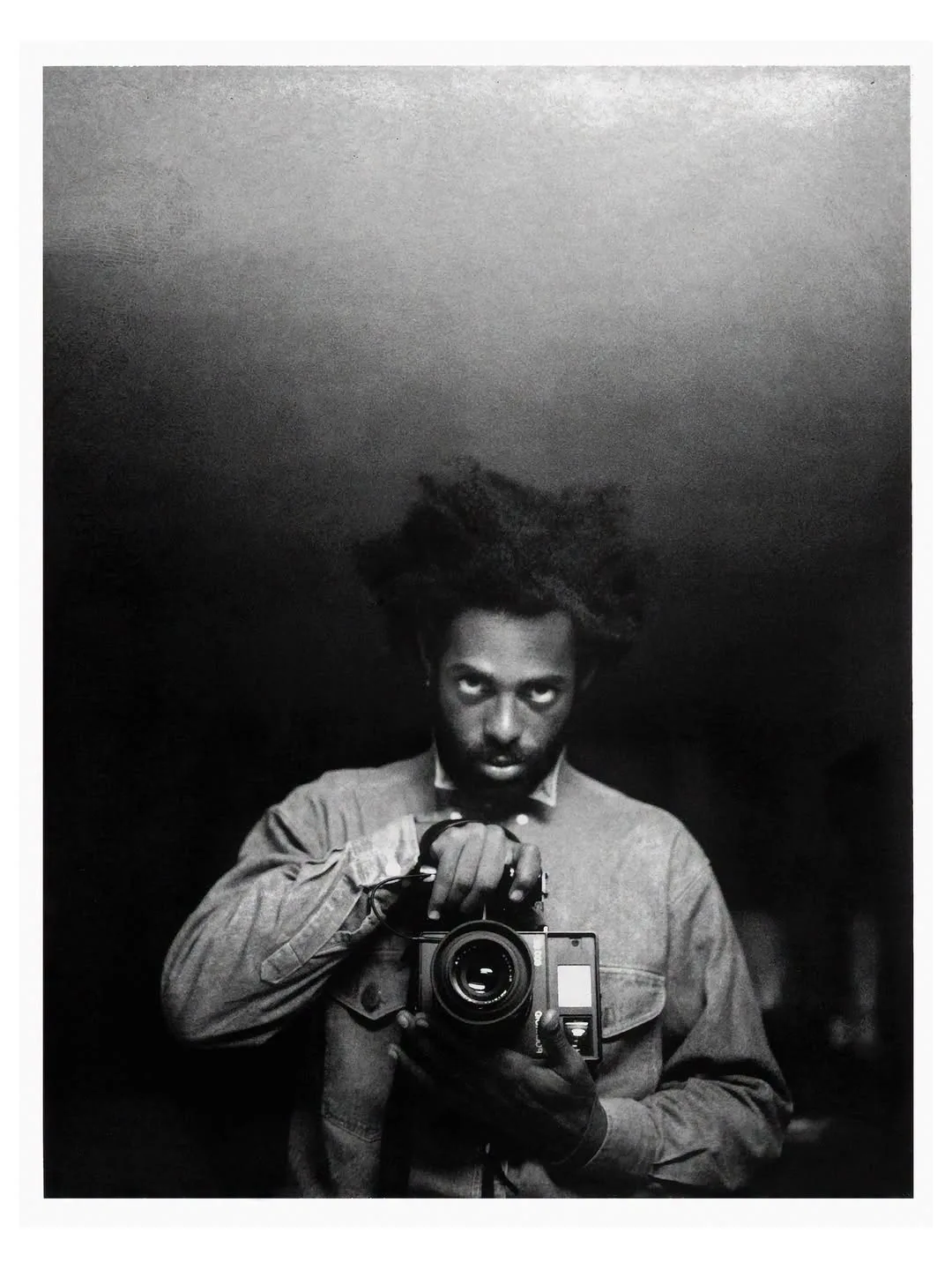
Arthur Jafa, image for I Am Tony. Courtesy the artist and Gladstone Gallery.
Arthur Jafa: I Am Tony at the New Museum
Arthur Jafa arrives at the newly expanded New Museum with the most comprehensive survey of his work to date. Spanning two floors, I Am Tony moves across almost four decades of filmmaking, photography, sculpture and installation, including Love is the Message, The Message is Death and the Golden Lion-winning The White Album. Named after jazz drummer Tony Williams, the exhibition traces Jafa’s ongoing attempt to create a visual language capable of carrying the rhythm, complexity and contradictions of Black life in America.
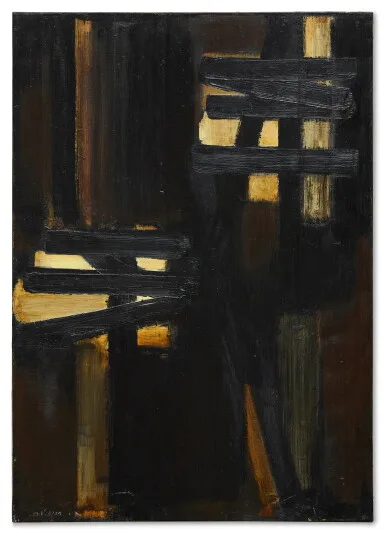
Pierre Soulages, Peinture 92 x 65 cm. 7 février 1954, 1954. Oil on canvas, 91.4 × 65.4 cm. © Pierre Soulages / ADAGP, Paris. Image courtesy Sotheby’s.
Pierre Soulages: Paintings on Paper at Lévy Gorvy Dayan
Pierre Soulages may be synonymous with black paint, but this exhibition shifts attention to a less frequently seen part of his practice. More than twenty works on paper go on view at Lévy Gorvy Dayan, the majority never previously exhibited. Paper was foundational to Soulages from the 1940s onwards, allowing him to work quickly with walnut stain, gouache and ink while exploring the relationship between darkness, transparency and light. These were never simply preparatory studies for his canvases. For Soulages, paper was its own territory for experimentation, making this a particularly revealing way into his work.
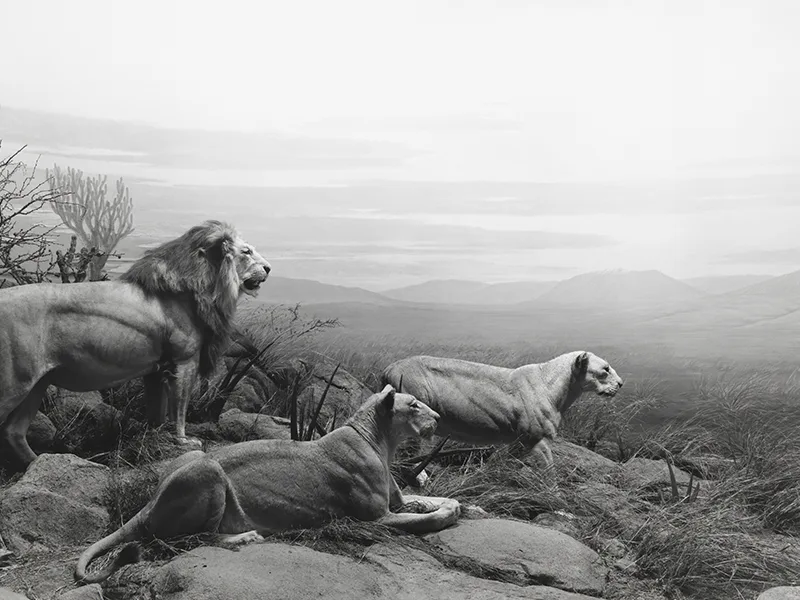
Hiroshi Sugimoto, image from the Diorama series. © Hiroshi Sugimoto. Courtesy the artist and Lisson Gallery.
Hiroshi Sugimoto: Unnatural Habitat at Lisson Gallery
Fifty years after Hiroshi Sugimoto first photographed the dioramas of the American Museum of Natural History, he returns to the series that helped define his career. Unnatural Habitat brings together early photographs, newly enlarged images from rediscovered negatives and recent works made after Sugimoto returned to the museum in 2025. Look out in particular for four new colour photographs printed on washi and presented as Japanese folding screens, an unusual departure for an artist so closely associated with precise black-and-white photography. The exhibition turns an artificial version of nature into a meditation on what photography persuades us to believe is real.
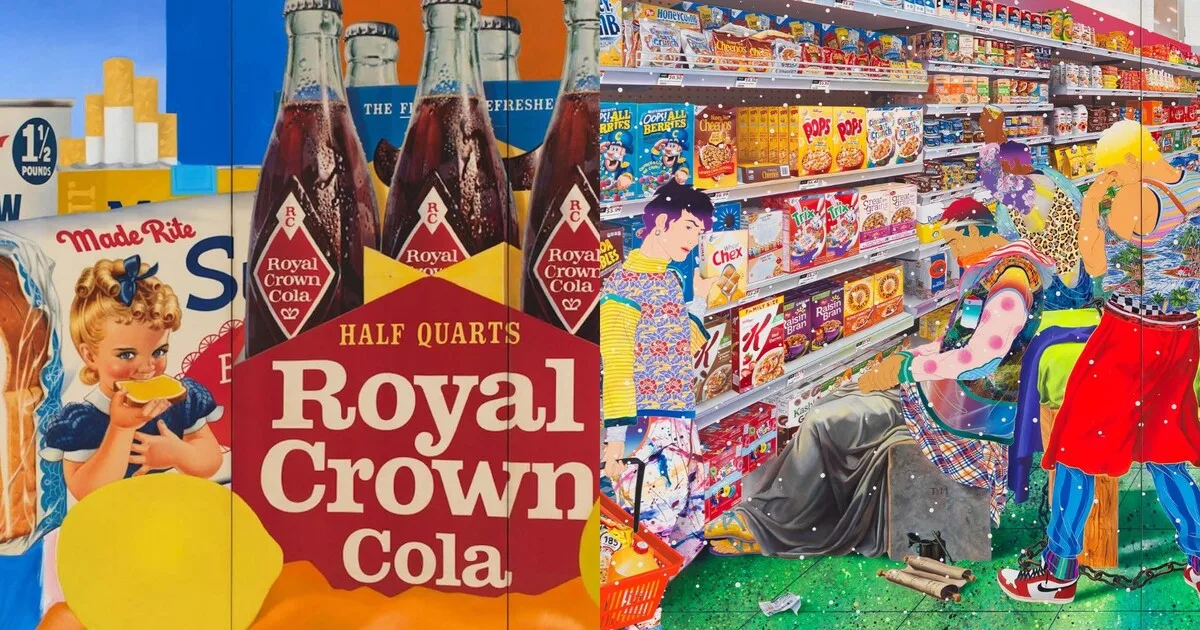
Tom Wesselmann, Still Life #35, 1963. Oil and collage on canvas. Courtesy the Estate of Tom Wesselmann and Almine Rech.
Tom Wesselmann & Tomokazu Matsuyama: Wesselmann x Matsuyama
This one is as much about where you see it as what is on the walls. For just over a week, Tom Wesselmann’s former Cooper Square studio opens to present his paintings alongside contemporary works by Japanese American artist Tomokazu Matsuyama. The pairing draws out unexpected connections between two artists separated by generations, both transforming familiar images from interiors, advertising and popular culture into something heightened and strange. Matsuyama’s monumental We the people even relocates Jacques-Louis David’s The Death of Socrates to an American supermarket. Seeing the conversation unfold in the studio where Wesselmann worked from 1994 until his death makes this one of Art Week’s more unusual stops. Advance registration is required.
Want to go further? The Cultivist’s New York Art Week programme includes private studio visits, expert-led walkthroughs and before-hours access throughout the week. Members can find the full programme and book in the app.