48 Hours in Mexico City: Your Winter Art Guide
24 Nov 2025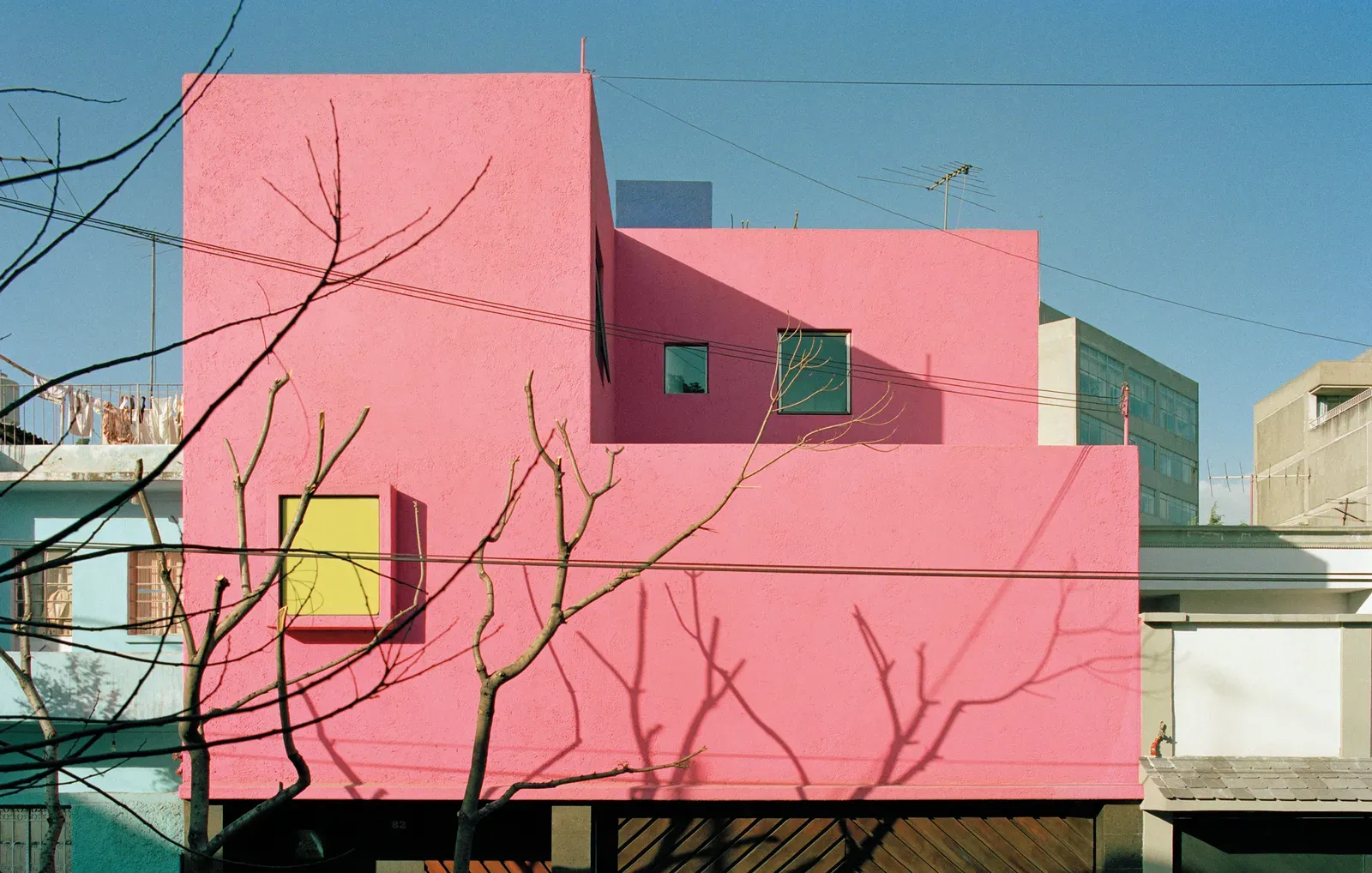
Winter is Mexico City at its most flattering. Mornings are crisp and pale, afternoons warm enough for long walks, and by early evening the city turns pearly and cinematic. Two days is just enough to go deep on art while still catching the cafés, bookstores, and side streets that give CDMX its rhythm.
Day 1
Begin in Chapultepec Park at Museo Tamayo. The building sits at the edge of the trees like a softened modernist object, and winter makes the galleries feel especially calm. Expect strong contemporary programming in conversation with Rufino Tamayo’s legacy. When you step back outside, follow the path toward LagoAlgo, a serene restaurant on the edge of the lake, where a late breakfast or early coffee on the terrace feels like an escape from the city altogether.
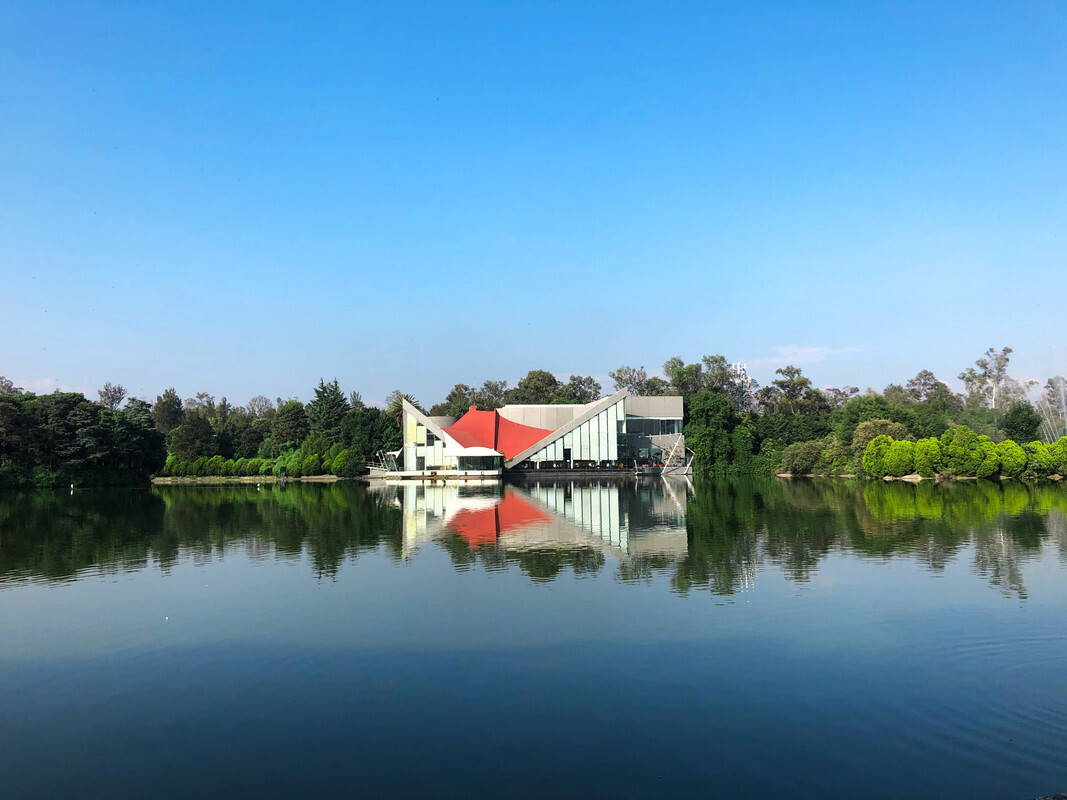 Lago/Algo © Alonso Araujo
A short walk brings you to the Museo de Arte Moderno. Winter sunlight pours into its circular galleries and illuminates the surrealist paintings of Remedios Varo and Leonora Carrington. There is a quiet magic to seeing these works in the cool season when the crowds are thinner and the light is sharper. Afterwards, cross into the leafy neighbourhood of Condesa, where a slow lunch at Lardo offers the perfect pause: warm bread, bright salads, wood-fired dishes and a relaxed atmosphere filled with locals. From here, stroll past Art Deco buildings as you make your way into Roma.
Roma is the heart of the contemporary scene. Kurimanzutto often presents some of the most exciting exhibitions in the city, and nearby, you can step into OMR, whose townhouse setting gives its shows a distinctively intimate feel. Through 17 December, you can enjoy the solo show by Rodrigo Ramírez Rodríguez. His paintings and sculptures consider how perception shifts under virtual and emotional forces that reshape the body and the way we feel. The works move through a poetics of contact, where matter and image rub up against one another, softening the edges of the self and suggesting a continuous, porous relationship with the world. Before continuing, find your way to Casa Bosques, a small bookshop tucked into a courtyard, known for rare art books, independent magazines and a scent of warm paper that travellers often remember long after they leave. If you need an afternoon pick-me-up, slip into Qūentin Café, where the baristas are quietly serious about their craft.
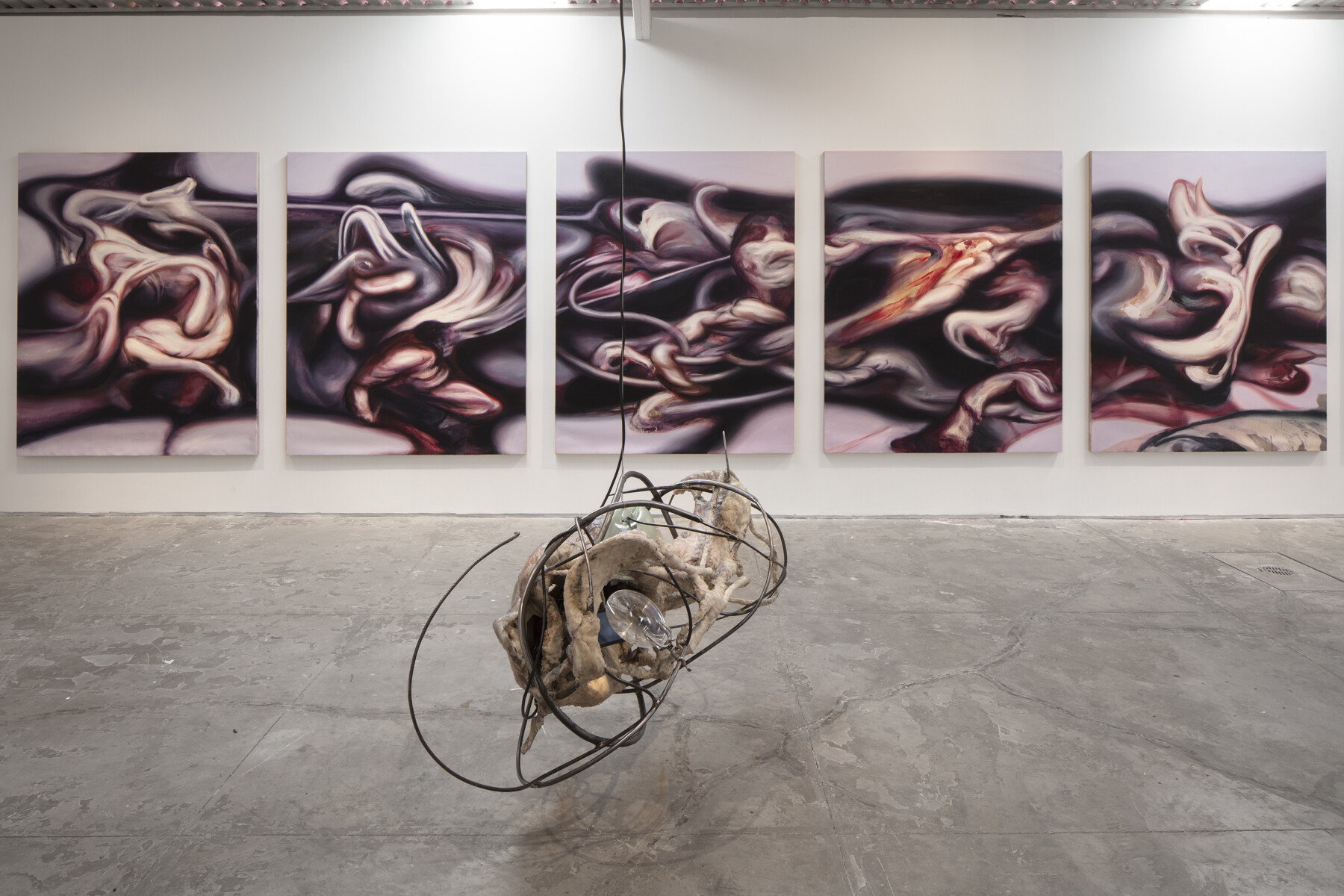 Rodrigo Ramírez Rodríguez: Por abrasión o contagio. © OMR
As the day leans toward evening, head back toward the historic centre. The Palacio de Bellas Artes glows at this hour, its stained glass and marble catching the last of the winter sun. Inside, the murals by Rivera, Orozco and Siqueiros still feel thunderous in their conviction. When you emerge, let yourself wander to the nearby Terraza Cha Cha Chá, a rooftop bar with a playful spirit and a view of the Monumento a la Revolución. It is a relaxed place to watch the city soften into night before heading to dinner at Rosetta in Roma Norte, where the candlelit dining room and seasonal dishes create a perfect winter atmosphere.
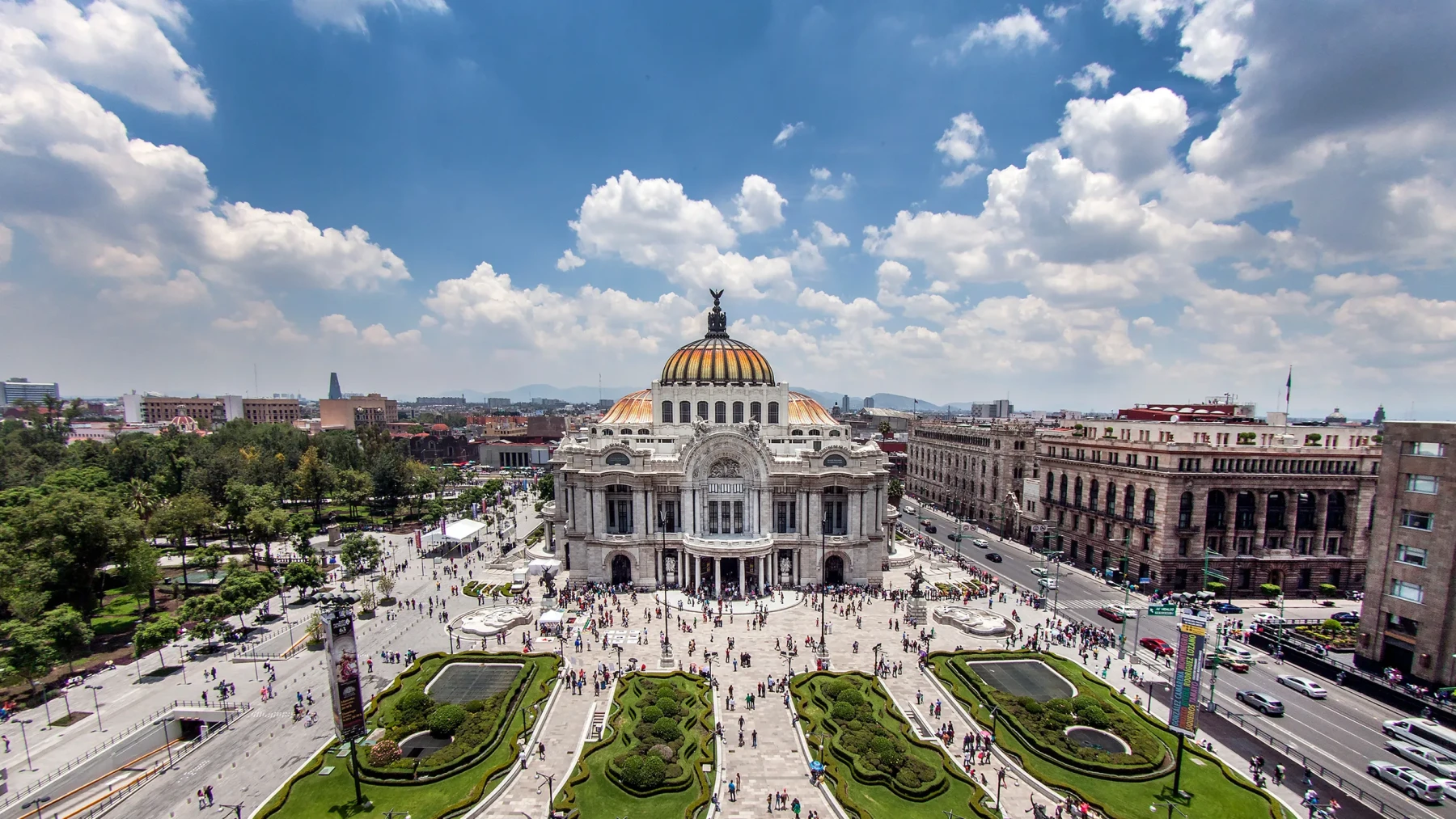
Palacio de Bellas Artes. Courtesy Palacio de Bellas Artes.
Day 2
Your second day begins at the Museo Universitario Arte Contemporáneo on the UNAM campus. From there, head into San Ángel for the Museo Casa Estudio Diego Rivera y Frida Kahlo. Juan O’Gorman’s interlinked functionalist studios are all glass, bridgeways, and purpose-built light. You feel the rhythm of work here, how each space was designed for making, thinking, living.
Continue into Coyoacán for Casa Azul. In winter the cobalt walls hit harder against the pale sky, the garden feels calmer, and the rooms are easier to take in without the heavy heat.
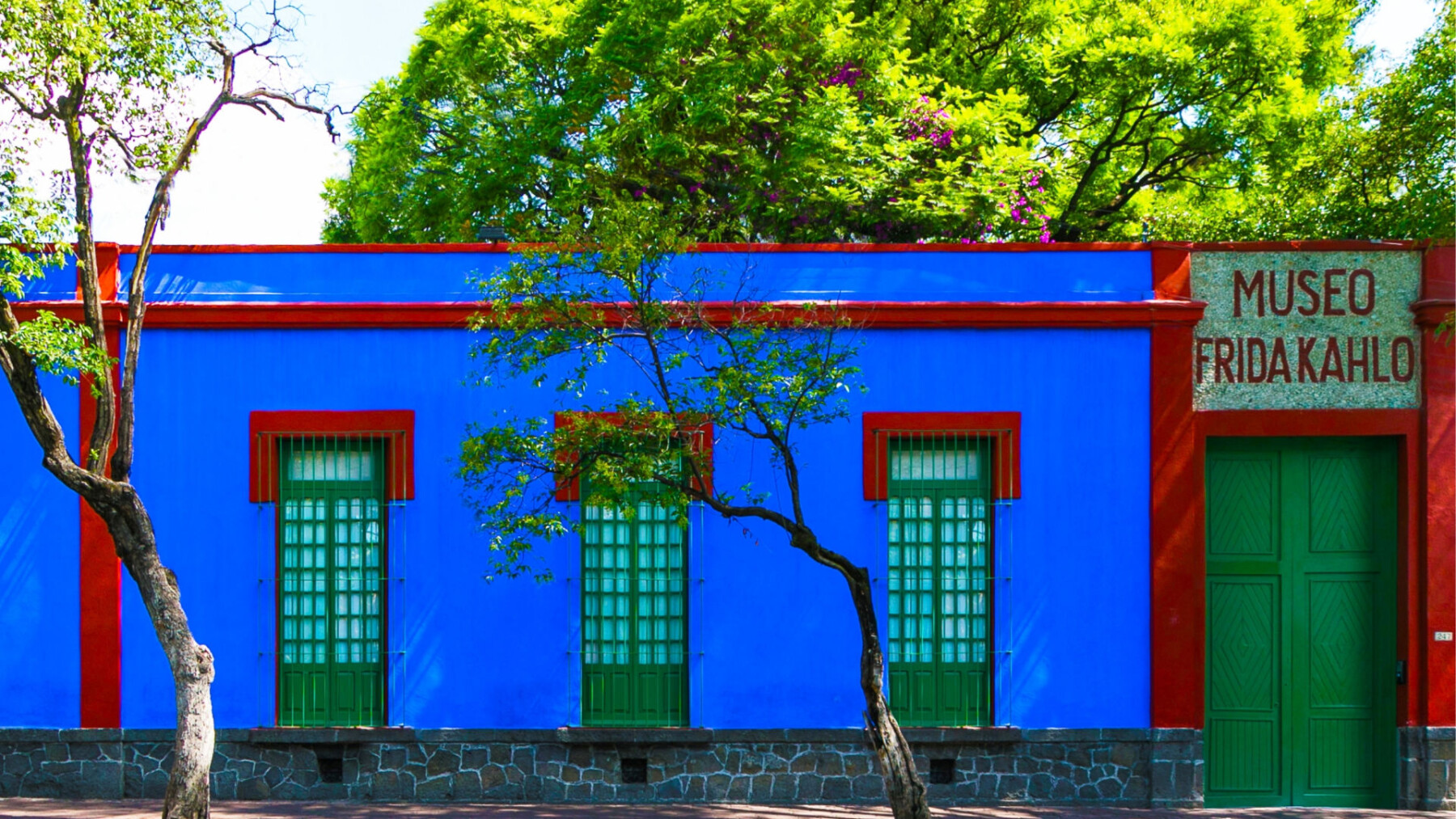 Museo Frida Kahlo. Courtesy of Museo Frida Kahlo.
Just a short walk away, the newly opened Museo Casa Kahlo (Casa Roja) adds an early-life, family-centred lens on Frida through childhood traces, letters, and the domestic architecture of her parents’ home. Not far away stands the Anahuacalli Museum, Diego Rivera’s volcanic-stone temple to pre-Hispanic art. In December and January, when the light is low and the air carries a hint of chill, the building feels especially mystical. When you leave, settle into a late lunch at Corazón de Maguey on Coyoacán’s main square, where mezcal flights, street-side tables and regional dishes create an easy, unhurried moment.
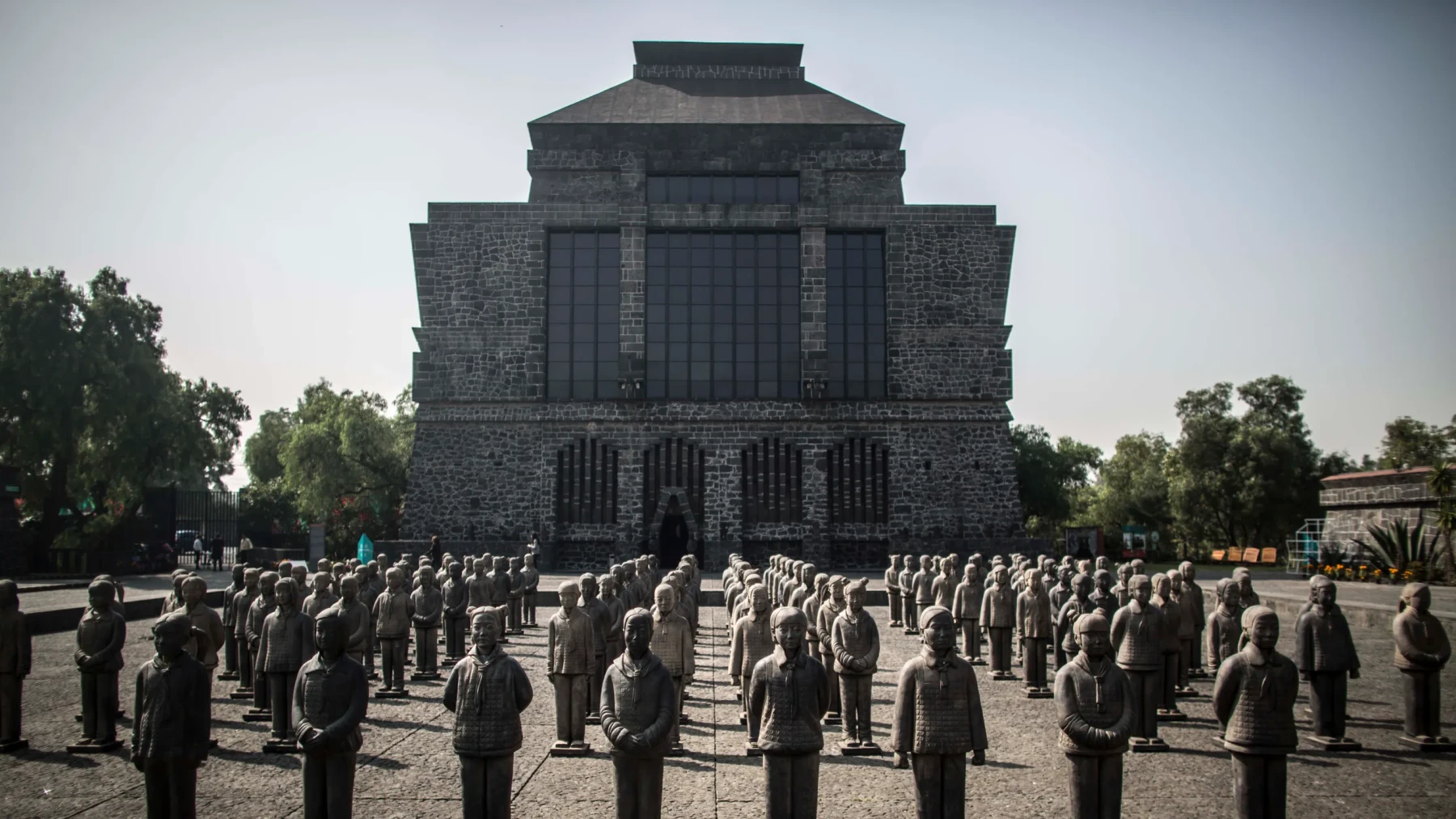
Anahuacalli Museum. Courtesy of Miguel Tovar/Getty.
The afternoon draws you north to Polanco, where Museo Jumex and the shimmering Soumaya Museum face each other across the plaza like two contrasting visions of modern culture. Jumex is the more rigorous counterpart, with exhibitions that often stage an open, intelligent dialogue between Latin American and international artists. Right now, make time for Gabriel de la Mora: La Petite Mort, a thematic survey spanning the past twenty years of the Mexican artist’s practice. De la Mora is known for transforming everyday and unexpected materials through processes that feel almost alchemical, producing works with exquisite surfaces and a quiet intensity. The show is a chance to see how his sensibility has evolved over time, from early experiments to the refined material language he is recognised for today.
After visiting both, wander along nearby Avenida Presidente Masaryk, where boutiques such as Lago DF and Onora offer contemporary Mexican design, textiles and ceramics that make beautiful, meaningful souvenirs.
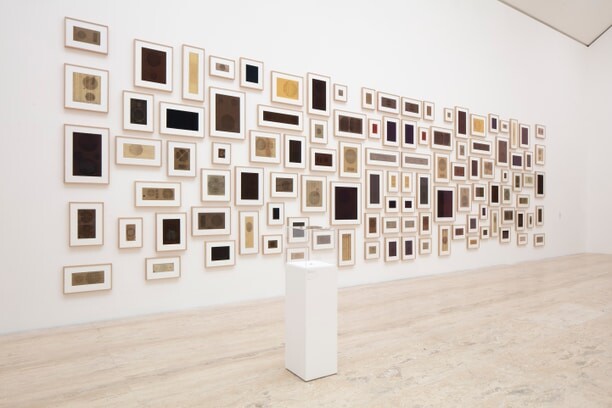
Gabriel de la Mora: La Petite Mort. Photo: Ramiro Chaves. Courtesy of Museo Jumex.
Make your way to Casa Luis Barragán. Visiting this home by appointment at the end of the day is one of the most extraordinary artistic experiences in Mexico City. In winter, the colour planes and architectural shadows feel even more precise. The house holds a soft, contemplative quiet, as though it were designed specifically for this season. If Casa Barragán is fully booked, book Casa Gilardi instead. Barragán’s final project, saturated with colour and light, and one of the best alternate ways to step inside his universe.
End your trip in Colonia Roma for dinner at Máximo Bistrot, where the ingredients are local, the atmosphere warm and the food among the best in the city. If you want one last moment of indulgence, stop by Licorería Limantour afterwards for a winter cocktail made with Mexican herbs and citrus.
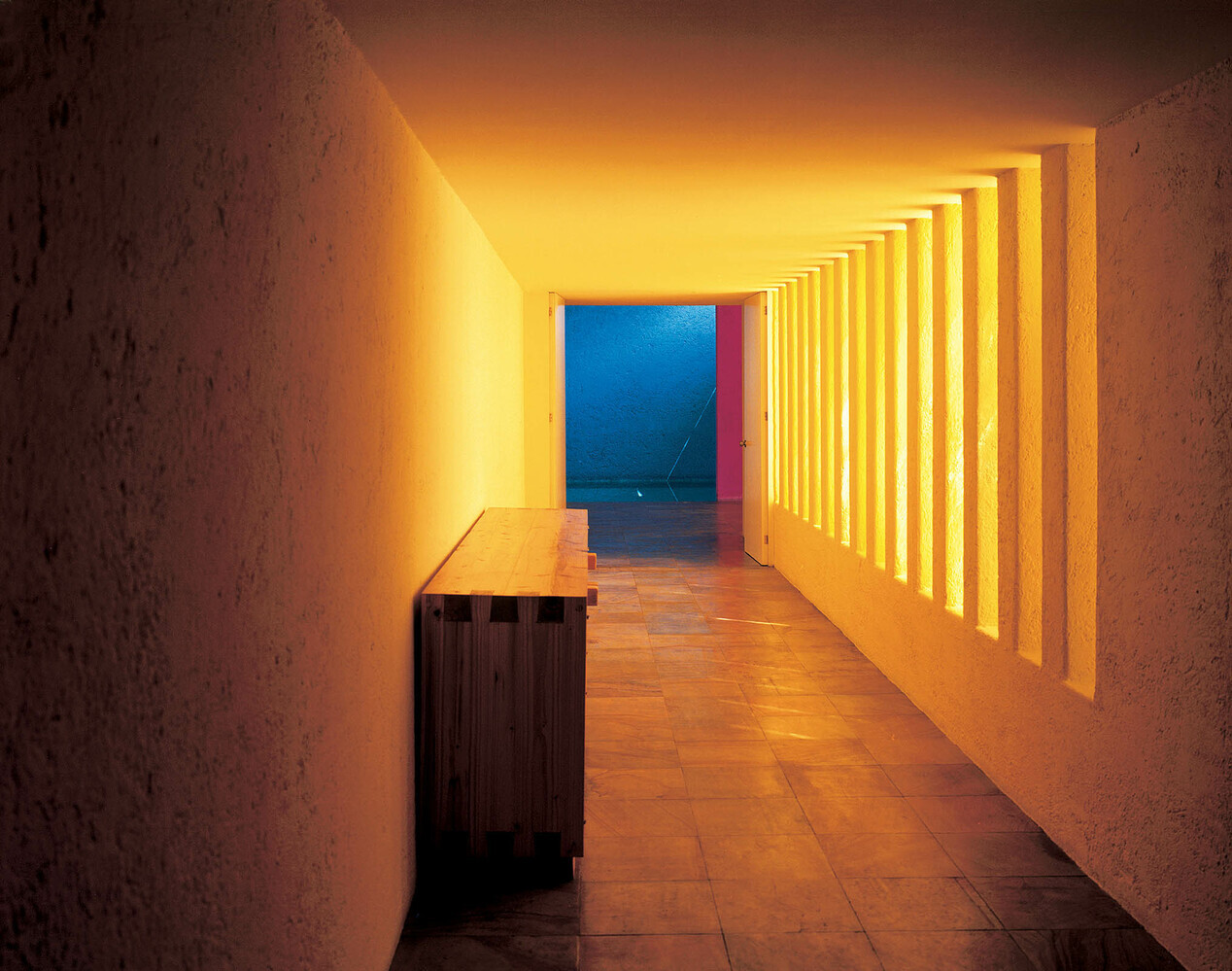 Gilardi House, Mexico City, 1975–1977. Swimming pool and dining area access. Photo Armando Salas Portugal.